Skip to content

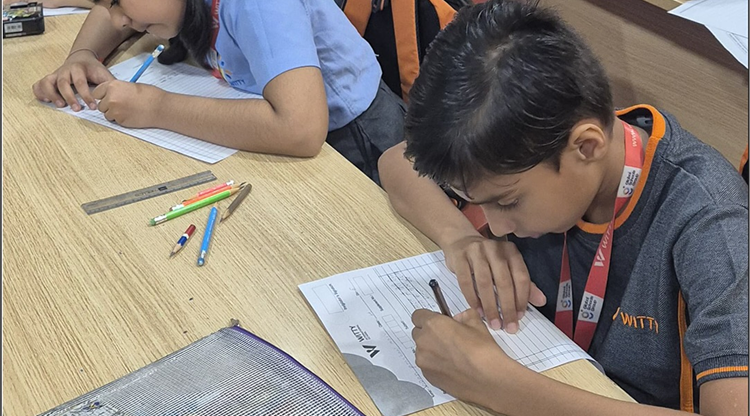
Between school, tuition, hobbies, and much-needed play, most families are juggling more than a circus act. The right timetable doesn’t add pressure—it removes it. A clear, child-friendly plan turns after-school chaos into calm, helping kids stay consistent, use their time wisely, and learn without feeling overwhelmed.
At Witty Schools, we see every day how smart time planning helps students balance academics with creativity and downtime. This guide distils what works into simple, practical steps you can use at home—so your child’s study plan sticks.
Why a Study Timetable Matters
Think of a timetable as a daily compass. Without it, children can drift—spending too long on a favourite subject and skipping the tricky ones. With it, they learn to prioritise, spread effort across the week, and make steady progress.
A set routine also builds life skills: it sharpens focus, strengthens time sense, and nurtures responsibility. In schools like Witty, we encourage students to own their schedules so studying becomes a steady habit—not a last-minute scramble before exams. This approach also lays a strong foundation for the secondary years, especially for those aiming to attend the best international schools in Mumbai.
Simple Steps to Build an Effective Study Timetable
Let’s look at a few simple, actionable steps that can help you create a study plan suitable for your child’s routine.
-
Understand Your Child’s Daily Schedule
Before creating a timetable, note your child’s daily activities, including school timings, meals, rest, and play. Every child has certain hours when they are most alert. For example, younger children may focus better in the evening after a short break from school, while older students might prefer early mornings. Plan study hours around their energy levels rather than forcing a fixed time. This makes learning feel natural and stress-free.
-
Set Clear Study Goals
A timetable is effective only when it serves a purpose. Sit with your child and set small, specific goals. For instance, finishing one maths chapter or revising science notes by Sunday. Clear goals motivate children because they can see their progress. For board students, divide larger subjects into smaller topics to make revision more manageable. Setting realistic goals also reduces anxiety closer to exams.
-
Prioritise Subjects Wisely
Not all subjects require equal time. Identify which ones are challenging and which require regular revision. Difficult subjects or topics with higher mark weightage should get more attention. For example, if your child struggles with algebra, include extra time for practice during the week. At the same time, avoid neglecting subjects they find easy. A balanced timetable builds confidence across all areas.
-
Divide Study Time into Smaller Blocks
Children often lose focus after spending long hours studying. Encourage them to study in short, focused sessions of about 40 to 50 minutes, followed by a 10-minute break. Use that break to stretch, have water, or chat briefly. This helps them return to their books refreshed. Parents can also use timers or study apps to make this process engaging. Structured breaks prevent fatigue and improve concentration.
-
Mix Subjects to Keep Interest High
Monotony kills motivation. Alternate between theory-heavy and practical subjects. For example, follow a science session with English reading or an hour of maths, followed by social studies. Mixing subjects gives the brain variety and keeps children engaged. You can also schedule lighter subjects in the evening when they feel tired and need something easy to handle.
-
Encourage Consistency with Small Rewards
Consistency matters more than perfection. If your child follows the timetable throughout the week, appreciate their effort. You could plan a small family treat on weekends or let them pick a movie. Rewards motivate children and make studying a positive experience. Avoid comparing them to others. The goal is to establish a routine, not a competition.
-
Stay Flexible and Review Weekly
Life gets busy, and sometimes the timetable won’t go as planned. Allow your child some flexibility. If they miss a session, help them reschedule it for another time during the week instead of rushing to catch up. Review the schedule together every weekend. Ask what worked and what didn’t. This involvement builds confidence and keeps your child in charge of their progress.
How Parents Can Support the Process
Once the timetable is ready, your guidance plays a big role in maintaining it. Younger children may need reminders, while older ones just need occasional supervision. Encourage them to use planners or digital tools, such as Google Calendar, to track their time. Avoid hovering, but stay approachable if they need help. When parents stay involved without being strict, children are more likely to stick to their schedules.
A peaceful study environment also matters. Ensure your child has a clean, quiet corner with proper lighting. Keep gadgets away during study hours unless they are needed for learning. These small steps make a big difference in their concentration.
Helping Your Child Build Healthy Study Habits
Building a timetable teaches children to balance study, rest, and play. These are the skills that will help them through life. At Witty Schools, we emphasise structured learning and time management as part of our curriculum. These habits prepare children for higher grades and the challenges of modern education. Parents who follow this approach at home often see their children becoming more organised and confident learners.


If you are exploring high schools in Mumbai that value holistic growth, visit our website to learn more about our admission process and how we help students balance excellence and enjoyment in learning.