Skip to content

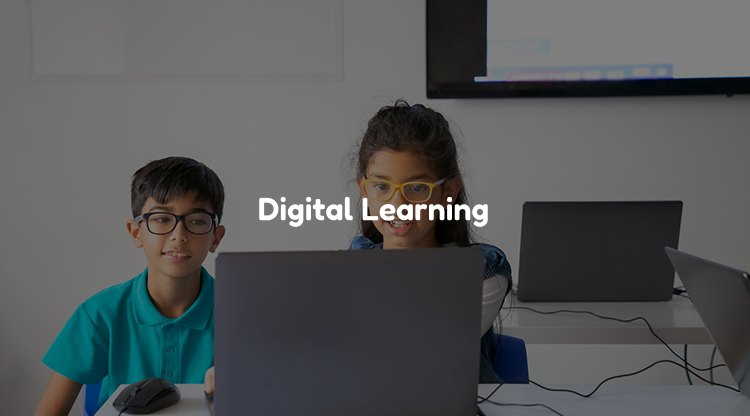
If technology has changed how you order dinner and manage your money, it’s also reshaping how your child learns. Today, “digital learning”—the use of devices, apps, and online platforms to support teaching—has moved from the periphery to the classroom’s core. A 2024 UNESCO report estimates that more than 65% of schools worldwide now weave technology into daily lessons. And when it’s used with clear goals, the impact can be meaningful: McKinsey finds students can see performance gains of up to 30% with purposeful digital tools.
This article breaks down what digital learning actually is—beyond the buzzwords—and the real advantages it offers. From more personalised practice to stronger feedback loops and greater access to quality resources, you’ll see how these tools are shaping your child’s education and what to look for as a parent.
So, what exactly is digital learning?
Simply put, digital learning is the use of technology to enhance and deliver education. It goes beyond online classes. From interactive smartboards and virtual labs to e-books and learning apps, digital learning uses technology to support classroom teaching and make lessons more engaging and effective. It combines traditional learning with digital tools, giving students more control, flexibility, and access to resources.
In today’s world, digital learning is not a passing trend. It’s a core skill set. With careers in every sector increasingly tied to technology, understanding digital systems, platforms, and tools has become as essential as reading or writing.
The Growing Importance of Digital Learning
Today’s children are digital natives. They are curious, fast learners, and naturally drawn to technology. Digital learning bridges their world of curiosity with structured learning. It enables teachers to customise lessons and helps students learn at their own pace. It also prepares them for a future that values innovation, problem-solving, and adaptability.
During the pandemic, when classrooms transitioned to virtual learning overnight, digital learning proved its true value. But even after schools reopened, their benefits remained. It helped schools blend classroom teaching with the flexibility and creativity of technology.
The Advantages of Digital Learning
Now that we know what it means, let’s explore the key advantages of digital learning that make it such a powerful tool for your child’s growth.
1. Personalised Learning
Every child learns differently. Some are quick visual learners; others prefer hands-on practice. Digital platforms can adapt to each child’s style, pace, and ability. It allows them to revisit topics, explore new ones, and learn in a way that truly fits them.
2. Flexibility and Accessibility
Whether it’s revising a science topic at night or watching a recorded lesson after sports practice, students can learn anytime and anywhere. This flexibility ensures no child is left behind, which is especially helpful for families balancing tight schedules or living in remote areas.
3. Enhanced Engagement
Interactive tools, such as videos, quizzes, and simulations, turn lessons into engaging experiences. Children are far more likely to remember what they learn when they can see, touch, and explore ideas in a virtual setting. Research by EdTech Review India indicates that gamified learning can enhance knowledge retention by over 40% compared to traditional teaching methods.


4. Immediate Feedback and Better Assessment
Digital learning systems often provide real-time feedback. Students can instantly know what they’ve mastered and what they need to revisit. Teachers can also monitor performance data and tailor their guidance. This creates a more efficient and transparent learning process.
5. Cost-Effectiveness and Sustainability
With e-books replacing printed material and assignments going paperless, digital learning reduces costs and supports sustainability. It also eliminates geographical barriers, providing every child with equal access to quality education, regardless of their location.
6. Collaboration Beyond the Classroom
Through virtual classrooms and group projects, students can work together even when they are apart. They learn teamwork, communication, and digital etiquette. These are skills that matter just as much as academic knowledge.
Why Schools Need to Embrace It
For schools, integrating digital learning is no longer optional. It’s an essential part of preparing students for modern careers and global citizenship. As technologies like Artificial Intelligence, Augmented Reality, and Virtual Labs continue to evolve, schools that effectively blend traditional learning with digital innovation will stand out in delivering meaningful, future-ready education.
How Witty Schools Lead the Way
At Witty Schools, we understand that the true power of technology lies in balance. Our digital classrooms combine innovative learning tools with human guidance to create an engaging and effective learning experience. As one of the top schools in Mumbai and among the good schools in Udaipur, Witty Schools have integrated smart learning systems that help students explore, question, and grow. Our approach to digital education complements both the ICSE and Cambridge curricula, ensuring academic excellence and preparing students for the real world.
If you’re exploring the admission procedure in schools, it’s worth choosing an institution that doesn’t just keep up with technology but uses it to bring out the best in every learner.