Skip to content

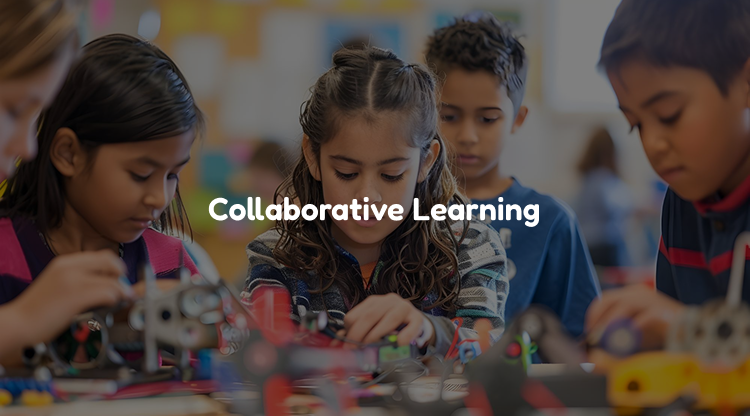
Close your eyes for a moment and picture your child’s classroom. Is it silent, with children bent over their desks? Or is it lively, with students talking, sharing ideas, and figuring things out together?
Education today looks very different from what many of us grew up with. Learning now is about connection, conversation, and confidence. At Witty Schools, we believe children learn best when they feel involved and supported. Learning feels more natural when it happens together. That is where collaborative learning comes in, and why parents are paying close attention to it.
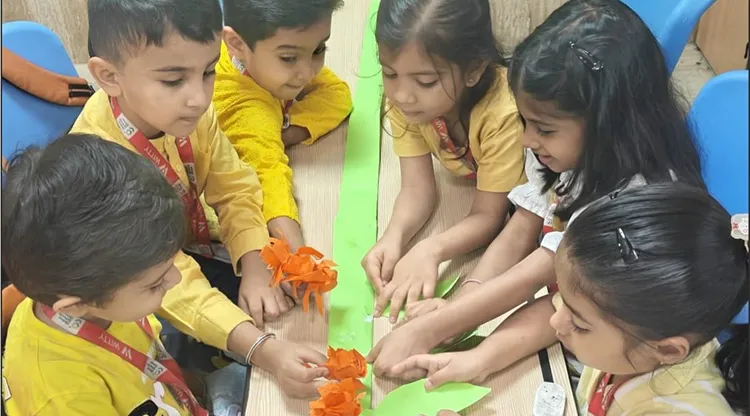
So, what is collaborative learning in simple terms? It is a teaching approach where students work in groups to solve problems, discuss ideas, and complete tasks together. The teacher guides the process instead of giving all the answers. The classroom feels like a small community. Just like at home, children learn by talking, asking questions, and helping each other.
Key Features of Collaborative Learning
This way of learning may feel relaxed, but it is thoughtfully planned. Certain elements make it effective and meaningful.
1. Shared goals and clear purpose
Every group activity has a common aim. Children might create a short play, design a science model, or work on a social studies project. Each idea matters. Students learn how different thoughts can come together to achieve a single goal. This fosters a sense of togetherness, something we deeply value in our culture.
2. Positive interdependence
Children quickly realise they need one another to succeed. One child may be good at research, another at explaining ideas, and another at organising the work. They learn to trust each other’s strengths. This sense of teamwork reflects the learning values seen in progressive institutions like the best CBSE schools in Udaipur.
3. Individual responsibility
Even though students work in groups, each child has a role to play. Everyone is responsible for their part. This helps children take pride in their contribution and understand the value of accountability from a young age.
4. Open discussion and interaction
Learning comes alive through conversation. Children talk through ideas, ask questions, and explain concepts in their own words. This improves thinking skills and helps them communicate clearly and respectfully.
5. Teachers as guides
Teachers plan activities, offer support, and ask thoughtful questions. They make sure every child feels included and confident. The focus stays on guidance and encouragement, helping students discover answers for themselves.
Benefits of Collaborative Learning
When parents understand the collaborative learning benefits, the value of this approach becomes clear. Its impact goes far beyond academics.
1. Better understanding of subjects
When children explain ideas to their classmates, learning becomes stronger. They remember concepts better and feel more confident in what they know.
2. Development of life skills
Group work teaches communication, patience, and empathy. Children learn when to lead and when to listen. These skills shape responsible adults and caring individuals.
3. Exposure to different viewpoints
Every child thinks differently. Listening to classmates helps children see problems from many angles. This builds open-mindedness and respect for others.
4. Growing confidence
Group settings make it easier for quieter children to speak up. With encouragement from peers, they slowly gain confidence and express their thoughts freely.
5. Readiness for real-life situations
From college to careers, teamwork plays a big role. Collaborative learning prepares children for shared deadlines, problem-solving, and working with different personalities.
6. Emotional and social well-being
Working together builds friendships and a sense of belonging. Children feel supported, which helps reduce stress and creates a happier school experience.
7. Encouragement of creativity
When ideas mix, creativity grows. Children inspire each other and come up with solutions that feel fresh and exciting. Innovation often starts this way.
8. Active and responsible learning
Students feel involved in their learning journey. They ask questions, take initiative, and stay curious. This approach is a strong foundation, followed closely by ICSE schools in Borivali and Kandivali.


Your Child’s Learning Journey Starts Here
As a parent, you want an education that prepares your child for life, not only exams. You may wonder, what do you mean by collaborative learning when choosing the right school? It means giving your child the confidence to think, speak, and work well with others.
At Witty Schools, this approach is part of everyday learning across our ICSE and Cambridge IGCSE programmes. Our classrooms are spaces where children grow, learn, and succeed together. We invite you to visit our campus, meet our educators, and experience this learning culture firsthand. Come and see how we shape confident, thoughtful, and capable learners, ready for the world ahead.