Skip to content

Dr Seema Sharma, Cambridge Principal at Witty International School, is a seasoned academic leader with over 25 years of experience across CBSE, ICSE, and Cambridge curricula A STEM and sustainability advocate, she focuses on 21st-century skills, learner development, innovation, and nurturing confident, future-ready global citizens. Her work bridges academic excellence with practical skills needed for tomorrow’s careers.
| What is skill-based education?
Skill-based education helps students develop communication, creativity, collaboration, leadership, and problem-solving skills needed for future careers. It goes beyond rote memorisation to build the practical abilities employers and universities increasingly value most. |
A teenager edits videos, manages a social media page, learns coding online and confidently pitches competitive ideas. Meanwhile, another student only memorises chapters perfectly and struggles to work in teams or handle unfamiliar situations.
That contrast explains a huge shift happening in education today. The world students are stepping into is changing faster than classrooms ever did before. Careers now demand more than academic scores. This is exactly why skill-based education is becoming one of the biggest priorities in modern learning.
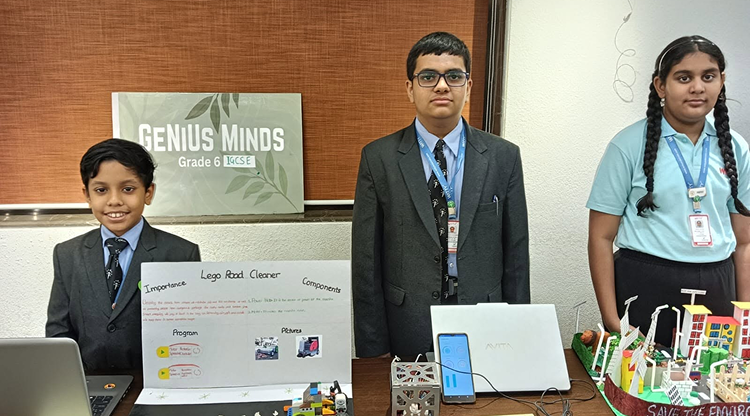
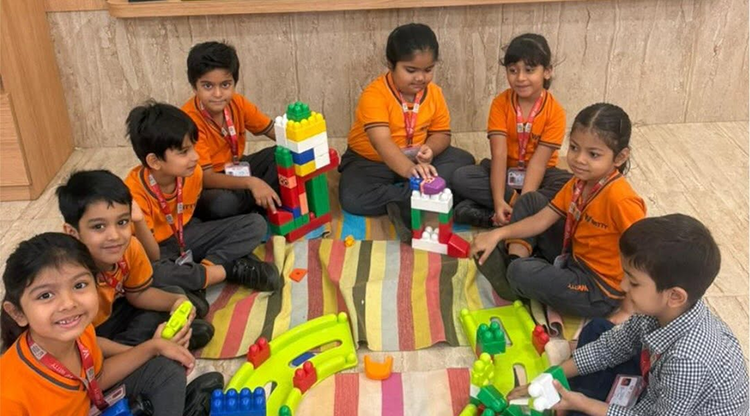
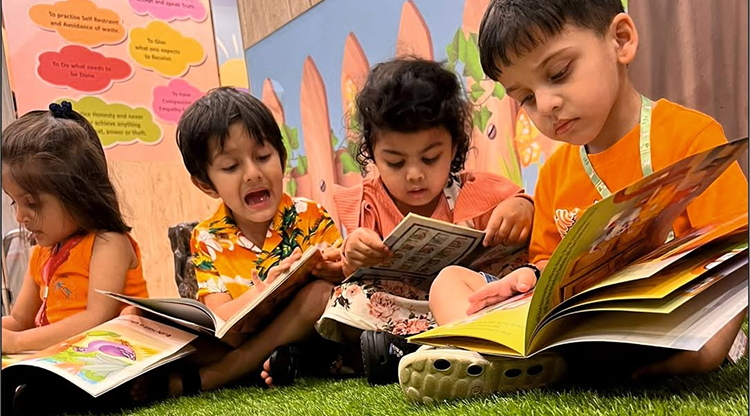
At Witty School, students are encouraged to explore beyond memorisation through structured debates, collaborative projects, student-led presentations, leadership roles in clubs and competitions, and learning environments that naturally build confidence and future-ready skills.
What Does Skill-Based Education Actually Mean?
In simple words, skill-based education focuses on helping students apply knowledge practically instead of only memorising information. It encourages students to develop abilities that matter in real life, such as:
- Communication and leadership skills
- Critical thinking
- Creativity and collaboration
- Emotional intelligence
- Problem-solving
- Decision-making
The goal is not just to score well in exams but to prepare students for confident learning and growing throughout their lives and careers.
Why Is Skill-Based Education Becoming More Important Today?
The workplace has changed dramatically in the last decade. According to the World Economic Forum’s Future of Jobs Report, over 85 million jobs may be displaced by automation by 2025, while 97 million new roles will emerge requiring distinctly human skills like creativity, empathy, and complex reasoning. India’s National Education Policy (NEP) 2020 formally recognises this shift, emphasising competency-based learning alongside academic content.
- AI is automating repetitive tasks, making human creativity and judgment more valuable
- Global collaboration is increasing, requiring strong communication across cultures
- Employers now prioritise adaptability, critical thinking, and interpersonal skills
- CBSE and IB frameworks are both moving toward project-based, inquiry-driven assessments
That is why the importance of skill-based education continues growing globally. Students today need more than academic information. They need the ability to apply knowledge effectively.
Top Skills Students Need for Future Careers
Research from the World Economic Forum and leading employability studies consistently highlights the following as the most in-demand capabilities:
- Critical thinking and problem-solving
- Communication and active listening
- Collaboration and teamwork
- Creativity and innovation
- Adaptability and resilience
- Emotional intelligence and self-awareness
- Leadership and initiative
These are not just soft skills anymore. They are becoming core career requirements across industries, from technology and business to healthcare and the arts.
How Does Skill-Based Education Improve Student Development?
Students often become more engaged when learning feels practical and interactive. Here is how skill-focused learning helps across key areas:
| Skill Developed | Long-Term Benefit |
| Communication | Improves confidence and expression |
| Collaboration | Strengthens teamwork abilities |
| Creativity | Encourages innovation |
| Critical Thinking | Improves decision-making |
| Leadership | Builds responsibility and initiative |
| Adaptability | Prepares students for changing careers |
These are not just extra skills. They are becoming career essentials recognised by employers, universities, and policymakers worldwide.
What Are the Benefits of Skill-Based Education?
The benefits of skill-based education go far beyond academics. Students become:
- More confident communicators
- Better problem solvers
- More independent learners
- More adaptable in unfamiliar situations
- Stronger collaborators
- More emotionally resilient
Skill-based learning also reduces excessive dependence on rote memorisation and encourages deeper, longer-lasting understanding of concepts.
How Witty School Builds Future-Ready Skills
Students do not develop confidence by memorising answers. They develop skills through participation, exploration, and real-world experience. At Witty School, skill development happens through structured, intentional activities built into everyday learning:
- Classroom debates and structured discussions that build argumentation and communication
- Cross-subject project-based learning aligned with CBSE and IB frameworks
- Student-led presentations that build public speaking confidence from early grades
- Leadership roles in student councils, clubs, and school events
- Assessment methods that reward thinking, creativity, and application, not just recall
- Inquiry-led learning experiences that encourage questions and independent research
This balanced approach helps students strengthen both academic understanding and practical life skills simultaneously, which is why Witty School is among the leading international schools in Borivali prioritising holistic education.
How Can Students Build Skills Outside the Classroom?
Skill-building does not only happen during school hours. Students can strengthen future-ready abilities through simple daily habits:
1. Practise Communication
- Participate in discussions and competitions
- Present ideas confidently to family or peers
- Participate in storytelling and debate activities
2. Improve Problem-Solving
- Work on creative projects and puzzles
- Explore coding, robotics, or design challenges
3. Build Leadership
- Participate in team activities and group sports
- Help organise events or community initiatives
4. Strengthen Creativity
- Explore art, music, writing, or design
- Experiment with new ideas and personal projects
Small experiences build long-lasting confidence. Many international schools in Borivali and across Mumbai are adopting learning approaches that balance academics with practical development.
Key Takeaways
- Skill-based education prepares students for rapidly evolving future workplace demands.
- Modern careers value adaptability, creativity, collaboration, and communication beyond academic marks.
- Practical learning builds confidence, leadership, emotional intelligence, and independent problem-solving abilities.
- Structured activities like debates, projects, leadership roles, and competitions build real skills naturally.
- Witty School nurtures future-ready learners through balanced academic and practical learning experiences.
Final Thoughts
The future workplace will not simply reward students for remembering information. It will reward students who can think creatively, collaborate effectively, communicate confidently, and adapt seamlessly to change.
At Witty School, students learn through structured debates, collaborative projects, student-led presentations, leadership opportunities, and inquiry-driven experiences that nurture both academic excellence and future-ready life skills. The balanced approach helps students grow into confident individuals prepared for real-world success beyond examinations.
If you are exploring international schools in Mumbai that prioritise meaningful learning and holistic development, Witty School offers an environment where students truly thrive with confidence, creativity, and curiosity.
Frequently Asked Questions
1. What is the difference between skill-based education and traditional education?
Traditional education focuses primarily on academic content, memorisation, and exam performance. Skill-based education combines academic learning with the development of practical abilities like communication, collaboration, critical thinking, and leadership. The goal is to prepare students not just to pass tests but to succeed in real-world careers and situations.
2. What skills are important for future careers?
According to the World Economic Forum, the most important skills for future careers include critical thinking, creativity, collaboration, communication, adaptability, emotional intelligence, and problem-solving. These are increasingly valued alongside or even above purely technical qualifications.
3. How does skill-based learning help students?
Skill-based learning helps students become more confident communicators, stronger collaborators, more independent thinkers, and better problem solvers. It also improves engagement in school, builds emotional resilience, and prepares students to navigate unfamiliar situations, which is essential in rapidly changing careers.
4. What is skill-based education?
Skill-based education focuses on developing practical abilities like communication, creativity, leadership, and problem-solving alongside academic content. It moves away from rote memorisation toward applied, real-world learning experiences.
5. Why is skill-based learning important today?
It prepares students for future careers that increasingly value adaptability, collaboration, creativity, and critical thinking. With AI automating routine tasks and global workplaces becoming more collaborative, students need skills that go beyond academic knowledge to thrive professionally.
6. What are the benefits of skill-based education?
Students develop confidence, communication skills, leadership abilities, emotional intelligence, and stronger real-world problem-solving capabilities. Research consistently shows that skill-based learners perform better in higher education and workplaces compared to those trained primarily through rote memorisation.
7. How do schools encourage skill development naturally?
Schools encourage skills through collaborative learning, presentations, structured debates, practical projects, leadership roles, competitions, and inquiry-based activities that make learning active rather than passive.
8. Why are parents choosing international schools in Mumbai?
Parents increasingly value schools that support holistic development, future-ready skills, creativity, and balanced academic learning. International schools with structured skill-building programmes, globally recognised curricula like IB, and strong co-curricular opportunities provide students with a clear advantage for university admissions and careers.