Skip to content


When students are asked to analyse, debate, build, or solve problems, they don’t just stay busy—they do the thinking that drives learning. That’s the core of active learning: shifting the centre of gravity from the teacher’s words to the learner’s mind.
Classrooms aren’t delivery rooms for information; they’re laboratories for ideas. In an active classroom, students question, test, explain, and connect concepts to real contexts. The result is deeper understanding, better retention, and more confident, independent learners.
This article unpacks what active learning looks like in practice and why it deserves a place in every lesson—whether you teach five-year-olds or final-year students.
What Is Active Learning?
Active learning is a teaching approach in which students engage directly with the material. Instead of passively listening to a lecture, they participate in discussions, problem-solving exercises, and reflection.
In simple terms, active learning transforms the classroom into a space where students engage in hands-on activities and think critically about what they are learning.
This approach is supported by educational theorist David Kolb’s Experiential Learning Theory, which suggests that true learning happens through experience. When students apply knowledge in practice, they develop a deeper understanding, analytical thinking, and better retention.
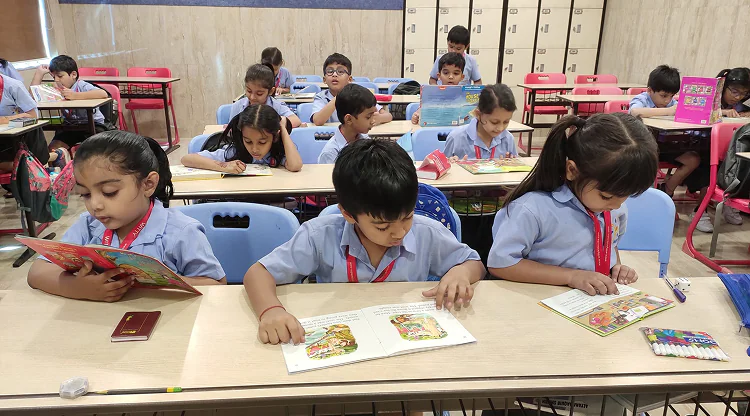
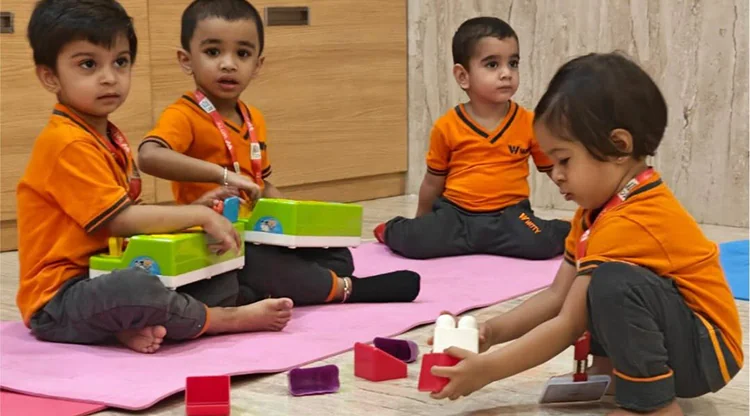
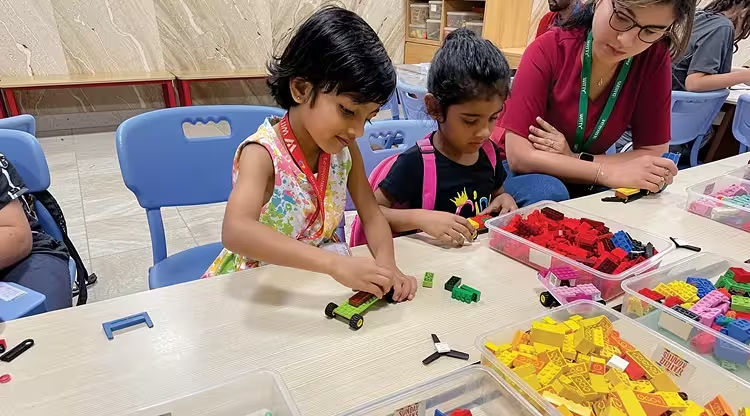
Lessons should go beyond textbooks. Students build models, conduct science experiments, act out historical events, or collaborate on creative projects. Every activity has one goal: to make learning an active and joyful process.
Why Does Active Learning Matter?
Imagine sitting through a one-hour lecture versus spending the same time designing an experiment or debating a social issue. Which one would you remember better?
That is why active learning strategies are so effective. They transform students from passive listeners into active participants. Research indicates that active learners retain more information, think more critically, and achieve better academic outcomes.
Active learning is a mindset that fosters curiosity, confidence, and collaboration, preparing students for the complex world beyond school.
Key Benefits of Active Learning
- Improved Retention – When students engage with content, they retain it for a more extended period.
- Critical Thinking – Activities that involve analysis and reflection promote more profound understanding.
- Collaboration – Group projects and discussions build teamwork and communication.
- Self-Motivation – Students take ownership of their learning journey and feel more driven.
- Confidence Building – Expressing opinions and solving problems boosts self-assurance.
These benefits explain why many of the best international schools in Mumbai have adopted active learning as a core part of their teaching philosophy.
Effective Active Learning Strategies
Here are some tried-and-tested strategies that teachers at Witty International School use to make lessons more engaging, interactive, and meaningful.
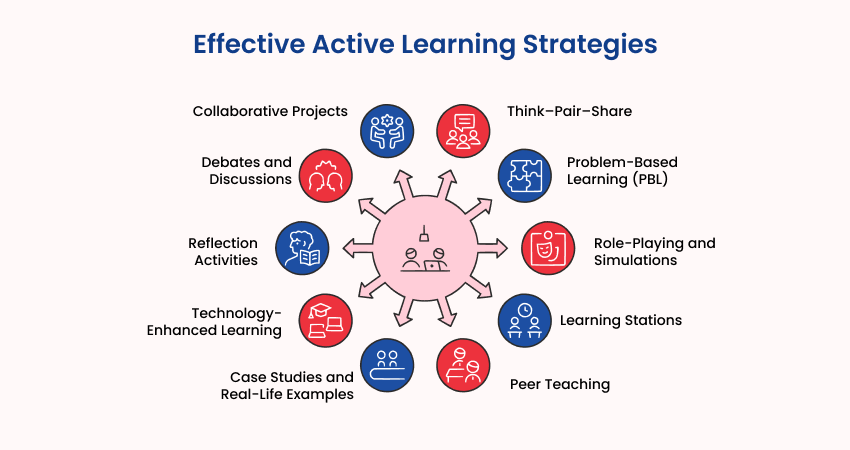
1. Think–Pair–Share
Students first think individually about a question, then discuss it with a partner, and finally share their ideas with the class. It helps quieter students participate and builds communication confidence.
2. Problem-Based Learning (PBL)
In PBL, students work on real-world problems with no set answers. For example, they might explore ways to reduce plastic waste in their community.
This aligns with John Dewey’s philosophy, which emphasises learning through hands-on experience. At Witty, projects like these encourage creativity, research, and teamwork.
3. Role-Playing and Simulations
Students can role-play historical figures, simulate courtroom discussions, or act as entrepreneurs presenting ideas. These experiences promote empathy and bring lessons to life.
4. Learning Stations
The classroom is divided into stations, each focusing on a different part of the topic. Students rotate between them, conducting experiments, analysing data, or creating visuals. This method caters to various learning styles and maintains high engagement.
5. Peer Teaching
Students explain concepts to one another, strengthening their understanding. For instance, after learning a math topic, one student might guide peers through problem-solving exercises, reinforcing their own grasp while helping others.
6. Case Studies and Real-Life Examples
Connecting theory to practice helps students understand why learning matters.
In economics, they might study local businesses, while in literature, they relate themes to current issues. These activities make lessons relevant — a value central to Witty’s approach to learning.
7. Technology-Enhanced Learning
Digital tools make lessons more dynamic. From virtual field trips to interactive quizzes, technology supports exploration and curiosity.
Parents seeking schools in Malad, Mumbai, will find that Witty uses technology thoughtfully as a bridge to better learning, rather than as a distraction.
8. Reflection Activities
Reflection helps students process what they have learnt. Writing in journals, using quick feedback cards, or engaging in discussions about takeaways all encourage self-awareness and promote long-term growth.
9. Debates and Discussions
Debates promote reasoning, respectful disagreement, and evidence-based communication. Students learn to form opinions, listen to others, and present arguments clearly.
10. Collaborative Projects
At Witty, group projects are a regular feature. Whether designing eco-friendly models or creating social awareness campaigns, students learn the importance of teamwork, leadership, and creative thinking.
They learn not only from teachers but also from one another, building a true learning community.
Creating an Active Learning Environment
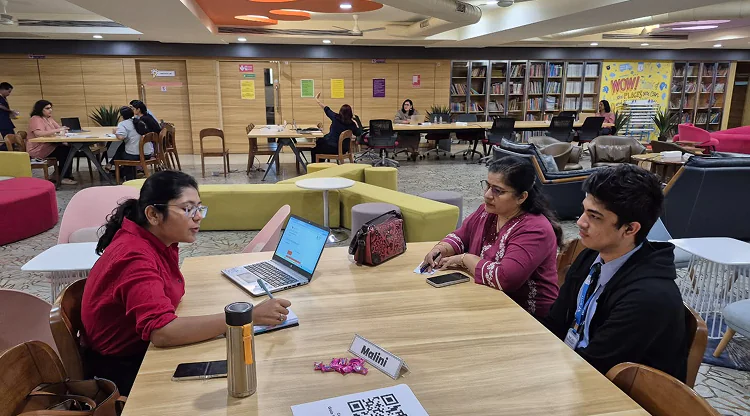
The classroom environment plays a crucial role in encouraging participation. Flexible seating, group areas, and open discussions create spaces that invite curiosity.
At Witty International School, classrooms are designed to accommodate a range of activities. Students can move around, discuss, and explore freely, while teachers guide discussions instead of simply delivering lessons.
Parents exploring school admissions in Mumbai can expect a learning environment that nurtures creativity, participation, and holistic development.
The Teacher’s Role in Active Learning
In active learning classrooms, teachers become facilitators rather than traditional lecturers. They ask thought-provoking questions, encourage exploration, and celebrate the process of learning as much as the outcome.
At Witty, teachers believe that mistakes are opportunities for growth and learning. This positive mindset encourages students to take intellectual risks and develop resilience.
essential skills for lifelong learning and academic success.

Challenges in Implementing Active Learning
Adopting active learning can be challenging due to large class sizes, time constraints, or traditional educational expectations.
However, Witty International School overcomes these barriers by blending creativity with structure. Teachers use group reflections, project assessments, and collaborative exercises to ensure that every student participates meaningfully.
At Witty International School, active learning is a culture that permeates every aspect of the school. From storytelling in preschool to research-driven projects in senior grades, students learn by doing, sharing, and discovering.
For families seeking the best international schools in Mumbai that foster critical thinking and creativity, Witty offers a holistic, experience-based education.
Active learning is all about engagement, exploration, and experience. It transforms the classroom from a quiet space into a dynamic hub of collaboration and curiosity.
At Witty International School, students don’t just learn; they connect, question, and grow. Through carefully designed active learning strategies, Witty ensures that every learner becomes independent, confident, and prepared to tackle tomorrow’s challenges.