Skip to content


In a world where automation and artificial intelligence are redefining industries, the classrooms of India are also beginning to transform. No longer confined to textbooks and rote learning, today’s students are exploring technology that will shape the jobs and opportunities of tomorrow. Among the most exciting changes is the rise of robotics in education—a hands-on, interactive approach that equips children with problem-solving skills, creativity, and confidence. By bringing technology into schools, India is not just preparing students for exams but for a future driven by innovation.
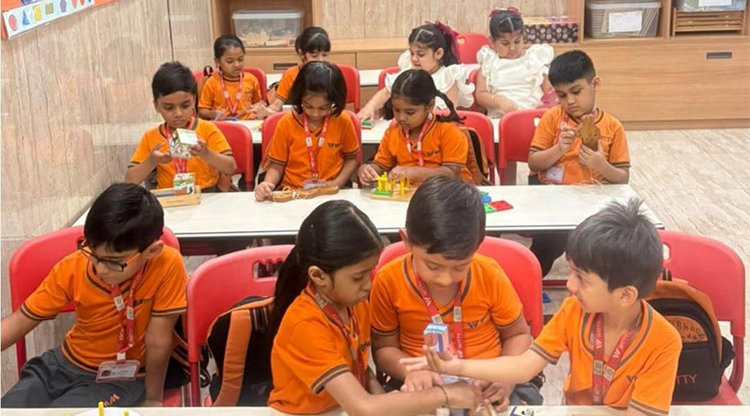
At Witty Schools, we have made robotics a part of everyday learning. As one of the top CBSE schools in Rajasthan, we believe in giving students opportunities to explore, build, and experiment so they develop the skills that will matter most in the years ahead.
For decades, Indian classrooms depended on blackboards, chalk, and rote learning. But times have changed. Industries today are powered by automation and artificial intelligence. According to the 2023 Annual Status of Education Report, 95% of rural schools may have textbooks, but only 22% have a computer lab. This gap shows how many children still miss out on technology-based learning.
By 2030, almost half of today’s jobs will demand reskilling. The World Economic Forum estimates that automation will replace 85 million jobs by 2025, but also create 97 million new ones. These new roles will need creativity, technical literacy, and problem-solving – all skills developed through educational robotics.
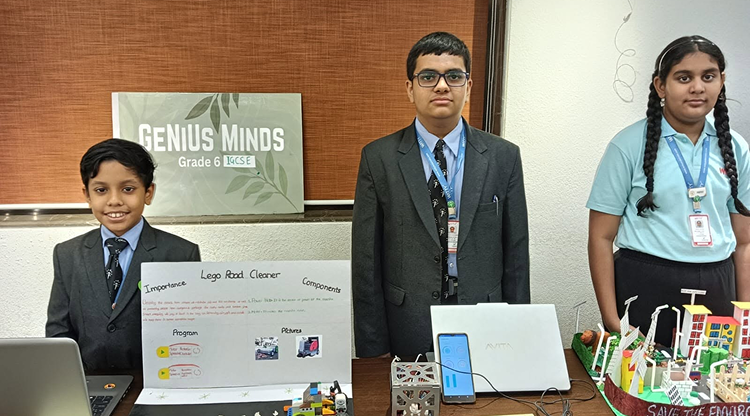
When children design and programme robots, they are not only playing with machines. They are learning how to think, plan, and work together. Research from IIT Delhi found that students involved in hands-on STEM learning show 37% better retention of science concepts and 42% higher problem-solving skills than those taught only through lectures.
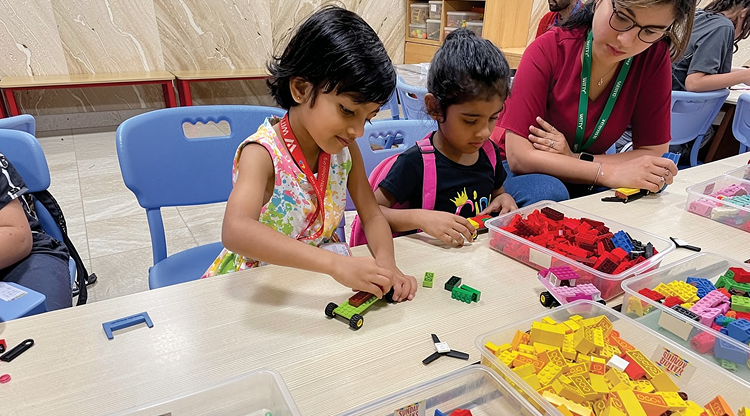
At Witty Schools, we use robotics to make subjects more engaging. In a maths lesson, students may use a robot to measure angles. In science, they may build simple machines to understand motion. This way, robotics in classroom activities connect theory with practice and make learning memorable.
Key Benefits Parents Can See
- Confidence through hands-on learning: Children see immediate results when their robots work, which gives them a sense of achievement.
- Sharper thinking: Robotics requires breaking down complex problems step by step.
- Creativity: Students experiment with designs and find their own solutions.
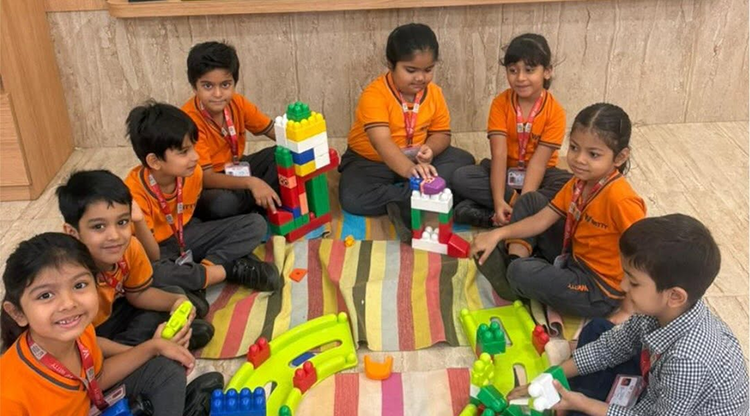
- Teamwork: Most robotics tasks are done in groups, teaching children how to collaborate.
- Interest in STEM: Subjects like science and maths feel more relevant when taught with robots.
As one of the leading schools in Udaipur, Rajasthan, we see daily how robotics inspires children to enjoy learning instead of fearing it.
The Indian Story: Challenges and Hope
Introducing robotics everywhere is not easy. National surveys show that only 18% of Indian teachers feel confident teaching technology. Many rural schools lack resources. Yet there is progress. The Atal Tinkering Labs initiative has already set up over 10,000 labs across India. A NITI Aayog study in 2021 showed that 70% of students in these labs developed a stronger interest in STEM, and 30% chose careers in engineering or technology.
This proves what can happen when schools invest in robotics. At Witty Schools, we make sure our infrastructure and trained faculty give every child access to the same opportunities, not just those from privileged backgrounds.

Integrating Robotics into Curriculum
The National Education Policy 2020 encourages schools to adopt experiential learning. Both the CBSE and ICSE have introduced AI and robotics as optional subjects. From 2025 to 26, robotics will even be a subject in classes XI and XII, impacting well over 3 million students.
Success, however, depends on teachers. At Witty, our teachers undergo regular workshops to guide students with confidence. This makes our classrooms places where innovation is not optional but part of everyday learning.
Urban schools often adopt new technology faster than rural schools. But programmes like Robo Siksha Kendra and India STEM Foundation are helping bridge this gap. They provide kits and training to communities with limited resources.
As one of the top CBSE schools in Rajasthan, Witty Schools also plays a role in bridging divides. We ensure robotics is not seen as an extra privilege but as an essential part of learning for every child.
Technology should enhance human abilities, not replace them. As schools expand robotics programmes, attention to balance is vital. Children should grow not only in technical knowledge but also in social and emotional intelligence. At Witty Schools, we follow this principle closely to ensure our students develop as well-rounded individuals.
Robotics and education together are shaping how children learn in India today. With interactive, practical lessons, students grow more confident, creative, and prepared for the future. For parents exploring the admission procedure in schools, it is important to ask how well a school integrates robotics into its teaching.
At Witty Schools, we are proud to be among the forward-thinking schools in Udaipur, Rajasthan that place robotics at the heart of our curriculum. We are not only preparing students for exams but equipping them with skills that will help them thrive in the world of tomorrow.