Skip to content


Picture this. Your child spends the morning measuring sunlight for a science project or helping organise a mini farmers’ market at school. Later, they come home bubbling with excitement, explaining what worked and what didn’t. That is what real learning looks like – learning through doing.
In today’s fast-changing world, education is no longer about memorising information. It’s about building curiosity, confidence, and the ability to think independently. Studies around the world have shown that hands-on and reflective learning methods significantly improve student engagement and strengthen problem-solving abilities. Schools that use such approaches often see children develop stronger social skills, creativity, and motivation to learn.
So, let’s explore what experiential learning is, why it matters, and how it helps children grow into lifelong learners.
What is Experiential Learning in Education?
To understand what experiential learning in education is, think of it as learning that happens through experience and reflection. Instead of reading about a topic, students actively engage with it. They learn by observing, experimenting, and connecting concepts to real-life situations.
Educational theorist David Kolb popularised this idea by characterising it as a cycle of experience, reflection, conceptualisation, and experimentation. In simpler words, it’s the process of trying something, thinking about what happened, learning from it, and then applying that learning to a new situation.
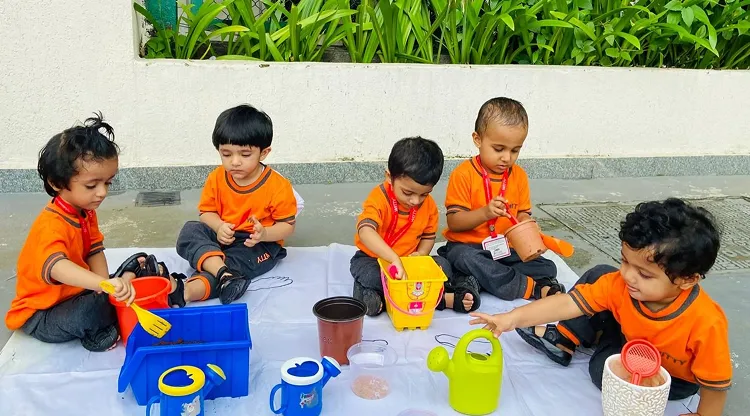
When a child plants a seed, records its growth, and observes how sunlight or water affects it, that’s experiential learning in action. It teaches responsibility, patience, and curiosity. These are qualities that build both academic and emotional intelligence.
Why Experiential Learning Matters
Every parent wants their child to understand concepts, not just repeat them. Experiential learning makes that possible. It turns lessons into experiences that stay with children long after exams are over.
For parents exploring admission for kindergarten, this approach is especially valuable. Younger children are naturally curious, and hands-on activities help them explore, question, and find joy in learning. When education feels playful and interactive, children develop confidence early on.
In higher grades, experiential learning helps students apply theory to practice. Group projects, experiments, field visits, and social initiatives teach collaboration, empathy, and leadership. These are essential skills in today’s world, where creativity and critical thinking are as important as academic knowledge.
What Are Experiential Learning Activities?
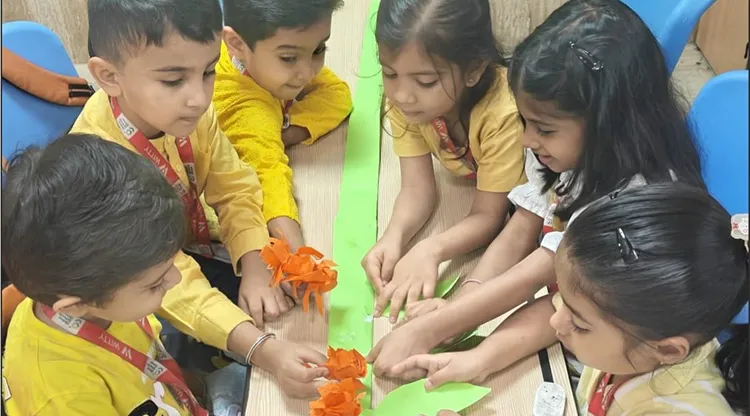
Now let’s look at what experiential learning activities are and how they come alive in classrooms. These activities vary by age group, but all share one goal- helping children connect what they learn with the real world.
Here are a few examples commonly seen in progressive schools across India:
- Field Trips and Excursions: Visiting museums, farms, or heritage sites brings subjects like history and science to life.
- Project-Based Learning: Building models, conducting surveys, or creating short films makes students apply classroom concepts.
- Art, Drama, and Music: Creative arts allow children to express what they learn, improving imagination and emotional understanding.
- Community Service: Activities such as beach clean-ups or charity drives teach social responsibility and teamwork.
- Science and Robotics Labs: Children explore technology through trial and error, building a mindset for innovation.
These experiences make learning meaningful. They also encourage children to ask questions, make decisions, and see mistakes as part of learning.
How Schools Bring It to Life
Across international board schools in Mumbai, experiential learning is becoming part of everyday teaching. Teachers act as facilitators, guiding children to explore and reflect rather than simply providing answers.
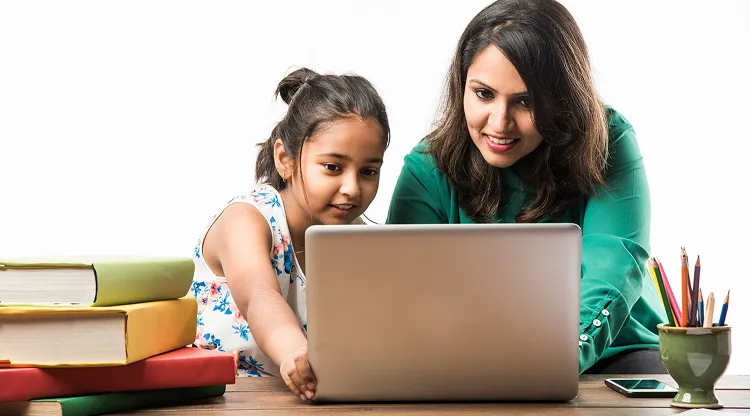
Modern classrooms use interactive methods, technology, and group activities to make lessons engaging. For instance, students might use tablets to record data during a science experiment or collaborate in teams for a sustainability project. Teachers then help them analyse what they discovered.
Schools also create cross-subject links. A single theme, like “water”, can connect lessons in geography, art, science, and language, showing students how knowledge fits together.
Families looking for international schools in Goregaon will often find that such institutions focus on this balanced approach. It nurtures curiosity, academic growth, and emotional development in equal measure.
The Benefits for Your Child
- Improved Understanding: Children grasp topics faster because they experience them directly.
- Better Retention: Concepts stay longer in memory when connected with real-world examples.
- Confidence and Independence: Completing projects builds self-belief and ownership.
- Social and Emotional Skills: Group learning encourages communication, empathy, and patience.
- Creativity and Problem-Solving: Children learn to find new ways to approach challenges.
As students grow, these qualities prepare them not just for exams but for life.


The Way Forward
Education is evolving, and experiential learning is shaping the future of how children learn. It helps them connect classroom ideas with real experiences, turning curiosity into understanding and effort into achievement.
Whether it’s a nature walk, a class play, or a science fair, each activity plants the seeds of creativity and confidence. Parents today value education that develops both the mind and the heart. Experiential learning does exactly that.
When your child learns by doing, they don’t just study lessons; they live them. And that’s the kind of learning that truly lasts.