Skip to content

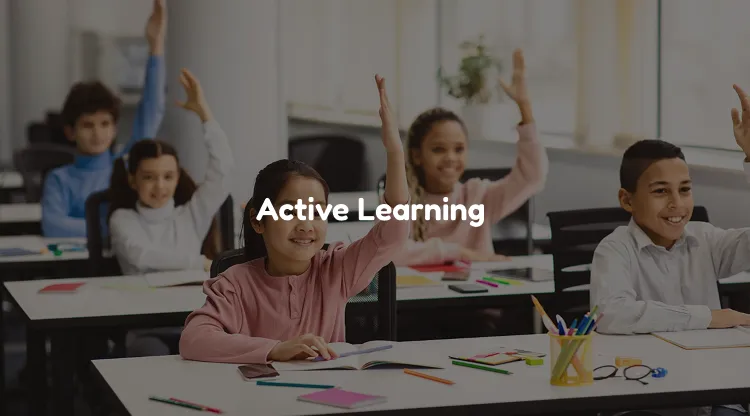
What is Active Learning in The Classroom?
Have you ever noticed how children learn best when they are doing something, talking about it, or figuring it out themselves? That is precisely the idea behind active learning. As parents, you want your child to do well in school, but you also want them to truly understand what they are being taught. Active learning makes that possible.
So, what is active learning and why does it matter for your child’s schooling journey? Let us walk you through it.
What Does Active Learning Mean?
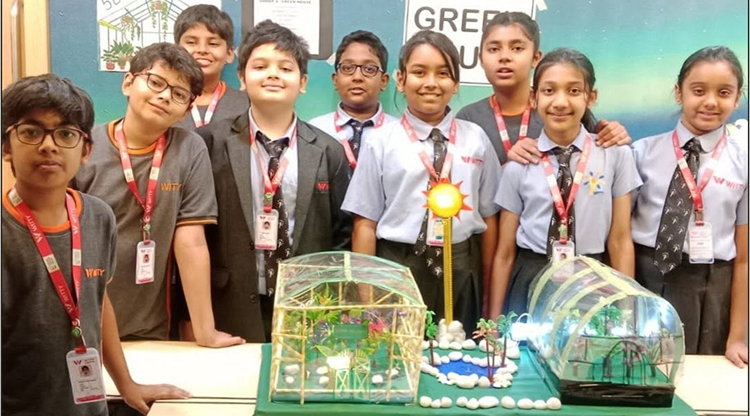
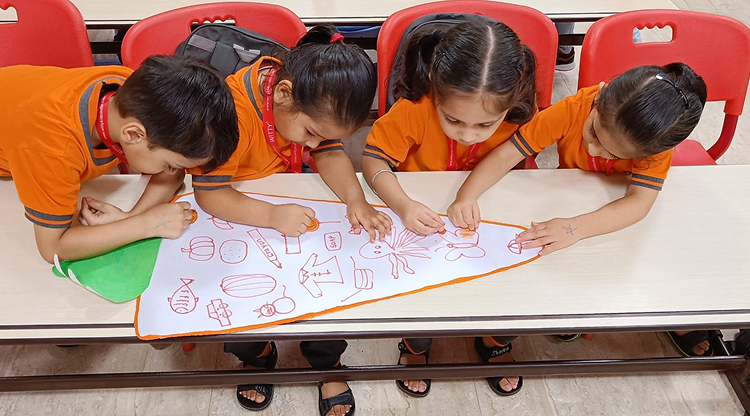
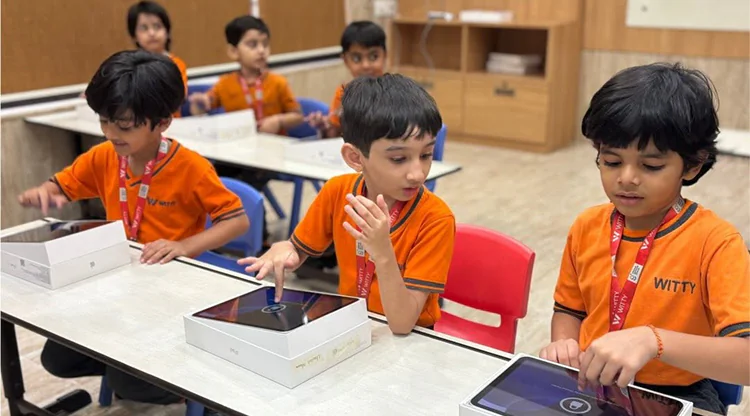
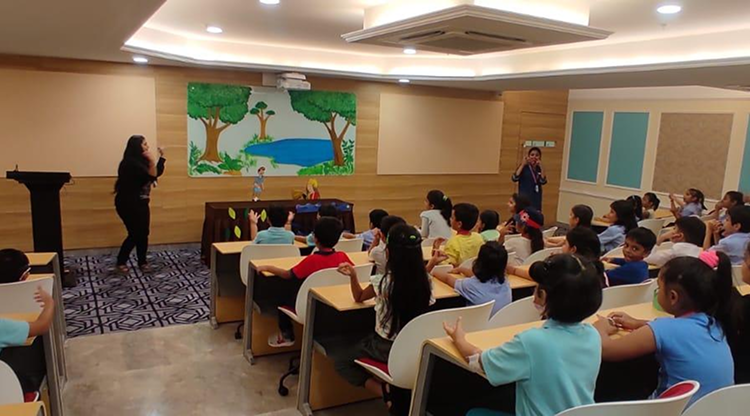
In simple terms, active learning meaning refers to a teaching approach where students are at the centre of the learning process. Rather than sitting quietly and absorbing information from a teacher, children are encouraged to participate, think critically, discuss ideas, and apply what they have learnt. The focus shifts from what is being taught to how the child is learning.
This approach is built on the understanding that children retain information far better when they are actively engaged. Research shows that active learners retain more information compared to passive learners. That is a meaningful difference for any parent to consider.
Why is the Importance of Active Learning Growing in India?
India’s education landscape is shifting significantly. According to the National Education Policy (NEP) 2020, released by the Ministry of Education, Government of India, the focus is moving away from rote memorisation towards competency-based and experiential learning. The NEP specifically promotes active participation, critical thinking, and collaborative problem-solving as essential elements of quality education.
The importance of active learning in this context cannot be overstated. Schools that adopt this approach are preparing children for a world where the ability to think, adapt, and collaborate matters far more than simply memorising facts.
Whether you are looking at the best play schools in Mumbai or evaluating primary schools across the country, asking about their approach to active learning is a smart question to put to any school administrator.
How is Active Learning Different from Traditional Learning?
The table below captures the key differences at a glance:
| Traditional (Passive) Learning | Active Learning |
| Teacher-centred | Student-centred |
| Listening and note-taking | Discussing, doing, and creating |
| Lower information retention | Higher information retention |
| Limited collaboration | Encourages teamwork |
| Focuses on memorisation | Builds critical thinking |
What Are the Benefits of Active Learning for Your Child?
The benefits of active learning are wide-ranging and directly impact your child’s development in and out of school:
- Stronger knowledge retention through hands-on experiences and recall exercises
- Better collaboration skills developed through group discussions and teamwork
- Improved critical thinking and problem-solving through debates and case studies
- Greater self-confidence as children learn to express and defend their ideas
- Enhanced creativity sparked by open-ended tasks and peer interaction
Studies found that students in active learning environments were 1.5 times less likely to fail than those in traditional lecture-style classes. That statistic alone speaks volumes.
Which Active Learning Methods Are Used in Classrooms?
Here is a quick look at common active learning strategies and how they benefit children:
| Learning Strategy | How It Works | Key Benefit |
| Role Play | Children act out real-world scenarios | Builds empathy and problem-solving |
| Group Discussions | Students debate and share ideas | Develops communication skills |
| Case Studies | Linking theory to real situations | Deepens understanding |
| Gamification | Learning through quizzes and games | Boosts motivation and engagement |
| Flipped Classroom | Students explore topics before class | Encourages independent thinking |


How Does Active Learning Support the Active Learning Meaning in Everyday Schooling?
The active learning meaning goes beyond classroom activities. It shapes how children approach challenges outside school too. When a child is trained to ask questions, think through problems, and work with others, these habits carry forward into their everyday life, future career, and relationships.
At Witty Schools, we embed active learning principles across all grade levels, ensuring children are curious, engaged, and ready for the world ahead. If you are researching the best IGCSE schools in Mumbai, it is worth asking how their curriculum integrates active learning strategies into the daily teaching framework.
Why Should Parents Care About the Importance of Active Learning?
As a parent, you are your child’s first advocate. Understanding the importance of active learning helps you ask the right questions when choosing a school, speaking to teachers, or supporting your child at home. Schools that prioritise active learning tend to produce students who are more confident, better prepared, and genuinely excited about learning.
The benefits of active learning extend beyond academic performance. They shape a child’s ability to navigate real-world situations, work in teams, and think independently. These are the qualities that matter most in the 21st century.
Frequently Asked Questions (FAQs)
1. What is the difference between active learning and passive learning?
In passive learning, children receive information without being required to engage with it. In active learning, they are expected to participate, discuss, create, or apply knowledge, leading to deeper understanding and better retention.
2. Is active learning suitable for young children?
Yes, absolutely. Active learning is particularly effective for young children because it aligns with how they naturally explore and understand the world, through play, interaction, and hands-on experience.
3. How can parents support active learning at home?
You can encourage active learning at home by asking open-ended questions, letting your child explore topics of interest, playing educational games, and giving them space to solve problems independently before stepping in.