Skip to content


Picture a classroom buzzing with curiosity: some students race ahead, others need more time; some think out loud, others sketch, build, or move. Inclusive education doesn’t just make room for these differences—it plans for them from the start. It’s a whole-school approach in which every learner, regardless of ability, background, language, or learning style, is welcomed, supported, and expected to succeed.
At its core, inclusion is about access, participation, and belonging. When teaching, assessment, and classroom culture are intentionally designed for diversity, all students can take part meaningfully and make progress. They also grow the habits that matter for life beyond school—empathy, confidence, collaboration, and respect.
In the sections that follow, we’ll clarify what inclusive education is (and isn’t), the principles that underpin it, and practical strategies to make it real in every classroom.
What Is Inclusive Education?
Inclusive education is a teaching method where children of all abilities, backgrounds, and learning styles learn together in the same classroom. Every child has access to learning, participation, and opportunities to grow. Teachers design lessons to adapt to different needs, using creative approaches and supporting collaboration among peers.
In an inclusive classroom, children experience diversity as a natural part of life. Differences are acknowledged, celebrated, and used as opportunities for learning. Schools like Witty School focus on creating such environments where every learner feels valued and included.
The Classroom as a Mirror of Society
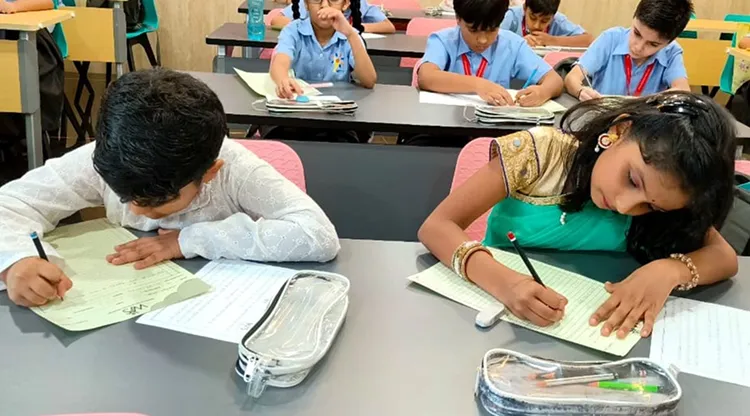
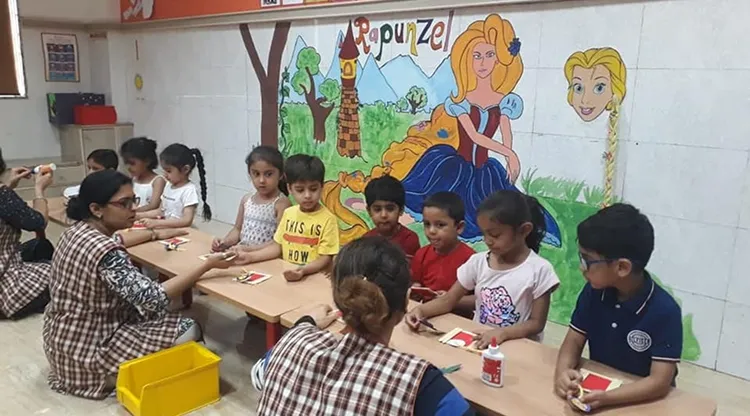
A classroom reflects the society we hope our children will live in. It is a space where differences are visible and celebrated. Children of varied abilities, backgrounds, and learning styles interact every day. They share ideas, collaborate on activities, and support one another. Through these interactions, children learn respect, empathy, and cooperation. They see that every voice has value, and everyone belongs.
Inclusive classrooms prepare children for the wider world. They learn to appreciate differences, understand perspectives, and contribute positively to the communities they are part of. Parents looking for schools that encourage these values can explore schools in Bhilwara, Rajasthan.
Why Inclusive Education Matters?
Equal Opportunities for Every Child
Inclusive education ensures all children have the same chance to succeed, regardless of their abilities or backgrounds. It removes barriers to learning and provides the support each child needs to participate fully. Children learn that fairness and respect are part of daily life.
Building Empathy and Emotional Intelligence
Children in inclusive classrooms develop compassion and understanding. When they engage with peers who have different strengths or face challenges, they practice patience, kindness, and collaboration. Families seeking nurturing environments can explore the best preschools in Mumbai, where emotional growth is prioritized alongside academics.
Collaboration and Mutual Respect
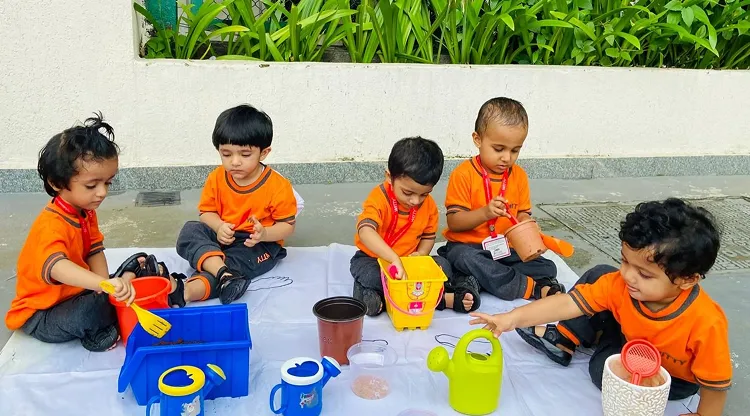
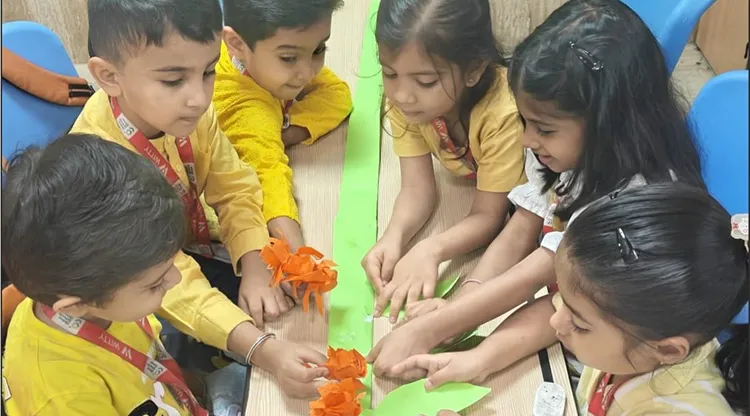
Inclusion encourages teamwork. Children work together on projects, help each other, and celebrate collective achievements. These experiences teach them that cooperation and respect are essential for building meaningful relationships.
Enhanced Learning Through Adaptive Teaching
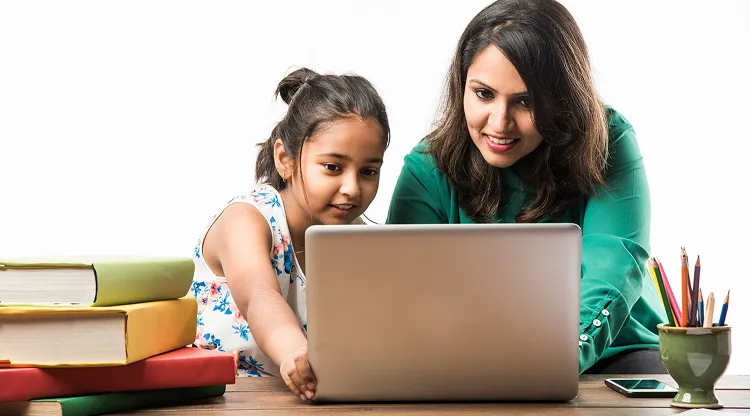
Inclusive education often integrates adaptive learning strategies. If you are wondering what is adaptive learning, it is a method where lessons are customized to each child’s pace and style of learning. This approach creates classrooms that are vibrant, dynamic, and responsive to every learner.
Inclusive Education and Life Lessons
Inclusive education does more than help children learn academics or social skills. It gives them a window into life itself. When children spend time with peers who face different challenges, they gain an early understanding that life is not always simple or predictable. They see firsthand that each person has a unique story, pace, and strengths.
Children learn that sometimes someone needs help, encouragement, or patience. They experience the value of lending a hand, celebrating victories together, and standing alongside peers during challenges. These experiences teach children what it means to be compassionate and considerate. Inclusive classrooms show them that success is shared, differences are strengths, and life requires empathy and understanding.
Inclusive education also helps children adapt to society. Interacting with peers of different abilities, backgrounds, and learning styles nurtures flexibility, resilience, and problem-solving skills.
Children become capable of adjusting to new situations, appreciating perspectives beyond their own, and contributing meaningfully to any group or community.
Parents who value holistic development can find schools that prioritize this approach. At Witty School, children experience learning environments that celebrate diversity, encourage empathy, and foster collaboration. Children enrolling in the best schools in Mumbai develop the understanding and compassion they need to thrive in life.
The Role of Parents in Building Inclusive Classrooms
Parents play a critical role in reinforcing inclusion. Choosing schools that embrace diversity helps children learn empathy, respect, and cooperation. Talking to children about the importance of supporting peers reinforces the values they experience at school.
When families prioritize inclusive education, children grow with confidence, compassion, and a sense of belonging that extends beyond the classroom. They become prepared to navigate the complexities of society with understanding and adaptability.


Inclusive education transforms classrooms into miniature societies where every child is valued and supported. Children learn to collaborate, empathize, and respect differences, preparing them to thrive in the world.
Parents can start this journey by exploring kindergarten admission at Witty School, a learning environment committed to inclusion, diversity, and holistic development. Choosing such environments gives children the foundation to grow into compassionate, confident, and capable individuals who understand that life is about learning from differences, helping others, and contributing positively to society.