Skip to content

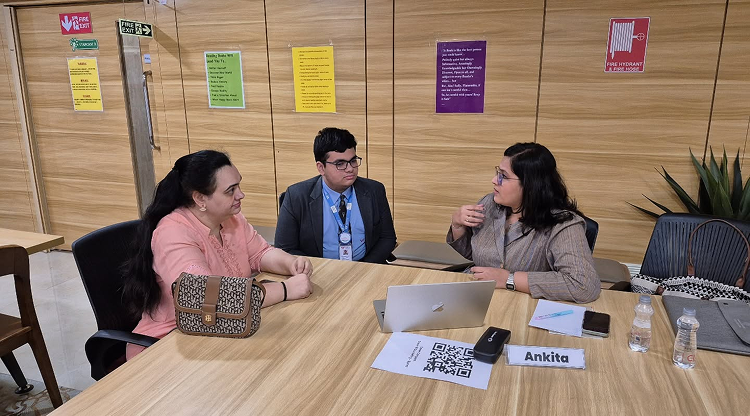
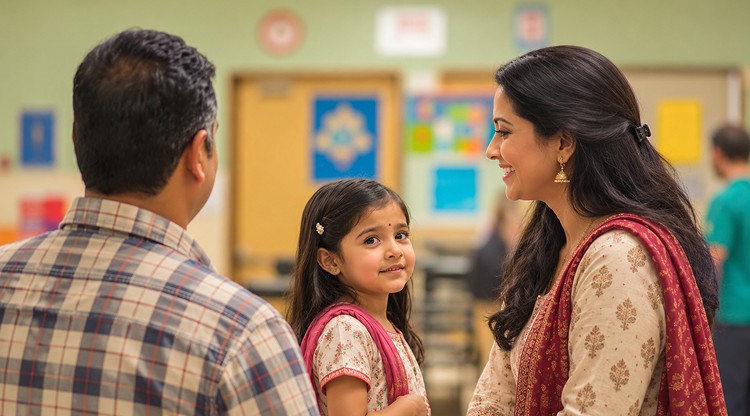
You get the message from school. Parent teacher meeting scheduled next week. Between office work, traffic, and daily chaos, it feels like one more thing on the calendar. But this one matters. A school meeting gives you a rare window into your child’s academic life, friendships, behaviour, and future choices. When you walk in prepared, the conversation becomes meaningful, focused, and productive.
The majority of Indian parents say school interactions help them understand their child’s learning progress better. That tells us one thing clearly. These meetings work when parents actively participate.
Let’s look at how you can prepare smartly and confidently.
What is the real purpose of parent-teacher conferences?
Parent-teacher conferences are not a report card discussion. It is a two-way dialogue.
It helps you:
- Understand strengths and gaps in learning
- Learn about behaviour and classroom participation
- Discuss emotional well-being and social growth
- Plan academic support if required
For senior classes, these meetings also guide subject choices and pathways such as the admission process for 11th.
When you treat it as a collaboration rather than a review session, the outcome improves for everyone.
Why Should You Plan Before a Parent-Teacher Meeting?
Walking in unprepared leads to generic conversations. Preparation gives direction.
Before the meeting, try this checklist:
| What to Review at Home | Why It Helps |
| Recent test papers | Helps identify learning gaps |
| Homework habits | Shows study discipline |
| Behaviour changes | Signals emotional needs |
| Child’s concerns | Gives real discussion points |
Talk to your child before attending. Ask what they enjoy in school and what they struggle with. This gives you real insights.
How can you prepare questions for a conference with parents?
The quality of your questions shapes the discussion.
Instead of asking, “Is my child doing well?”, ask focused questions like:
- Which subjects need more attention?
- How does my child participate in class?
- Does my child work well in groups?
- Are there reading or comprehension gaps?
- What can we support at home?
This is where many parents search online for parent-teacher meeting questions: what to ask. The best questions are practical and growth-focused.
Think in terms of progress, behaviour, and long-term development.
How should you organise yourself when learning how to prepare for parent-teacher conferences?
Preparation takes only 20 minutes if you follow a simple system.
Do this before leaving home:
- Write 4–5 questions in your phone notes
- Carry exam sheets or homework samples
- Note the behaviour patterns you observed at home
- Decide on one key outcome you want from the meeting
This ensures the discussion stays useful and structured.
Which Behaviour Helps You Get the Best From the Meeting?
Your approach matters as much as your preparation.
During the meeting:
- Listen more than you speak
- Avoid comparing your child with others
- Focus on solutions, not blame
- Take notes of teacher suggestions
Teachers appreciate collaborative parents. It helps them guide your child better.
How can you follow up after learning how to prepare for a parent-teacher meeting?
The meeting does not end when you leave the classroom.
After the conference:
- Share key points with your child positively
- Create a small study or behaviour plan
- Track improvements weekly
- Stay connected with teachers via school apps or email
Consistent follow-up builds trust and results.
Where Do These Meetings Fit in Your Child’s Overall Growth?
School meetings influence long-term success.
They help parents understand academic pathways, career interests, and emotional needs early. For families exploring top schools in Udaipur, Rajasthan, or comparing top CBSE schools in Rajasthan, parent engagement is often a strong indicator of school culture.
A school that encourages dialogue usually supports holistic growth.
At Witty Schools, we believe learning happens best when teachers and parents work as partners. Our conferences focus on progress, wellbeing, and future readiness.
Frequently Asked Questions
1. What should I bring to a parent meeting?
Bring recent exam papers, notebooks, and a list of questions. This keeps the discussion focused.
2. How long should a school meeting last?
Usually 10–20 minutes. Prioritise your questions so you use the time wisely.
3. Should children attend these meetings?
For older students, yes. It builds responsibility and openness.
4. What if I disagree with the teacher’s feedback?
Ask for examples and suggestions. Approach the discussion calmly and collaboratively.
5. How often should I speak with teachers?
At least once every term. More often if academic or emotional concerns arise.