Skip to content

Every parent wants more than good grades for their child. They want confidence, curiosity, emotional strength, and the ability to navigate real life with clarity and compassion. This is where holistic education makes a meaningful difference. It creates an environment where children do not just learn concepts but also develop self-belief, empathy, resilience, and a genuine love for learning, qualities that shape success both inside and beyond the classroom.
This article explains what holistic education is, why it matters, and the key benefits of holistic education for children in today’s evolving world.
Parents seeking a balanced and future-ready education increasingly prefer schools that follow holistic learning principles during the school’s admission process in Mumbai.
What Is Holistic Education?
Holistic education is an approach to learning that nurtures the whole child. It recognises that education should address intellectual, emotional, social, physical, and creative aspects of development.
Rather than focusing only on academic performance, holistic education encourages curiosity, critical thinking, empathy, self-awareness, and resilience. Learning becomes meaningful, experiential, and connected to real life.
In holistic classrooms, children are encouraged to:
- Ask questions and explore ideas
- Learn at their own pace
- Build emotional intelligence
- Develop social responsibility
- Express creativity through art, music, and movement
This approach helps students understand not just what to learn, but how to learn and why learning matters.
Core Principles of Holistic Education
1. Child-Centric Learning
Holistic education places the learner at the centre. Teaching methods are adapted to suit individual strengths, interests, and learning styles.
2. Experiential and Activity-Based Learning
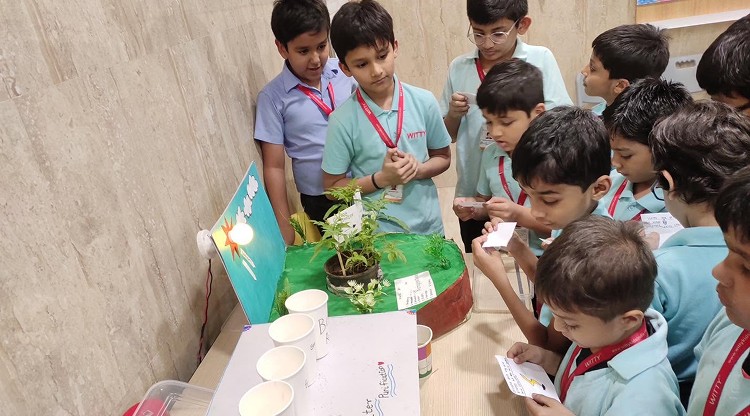
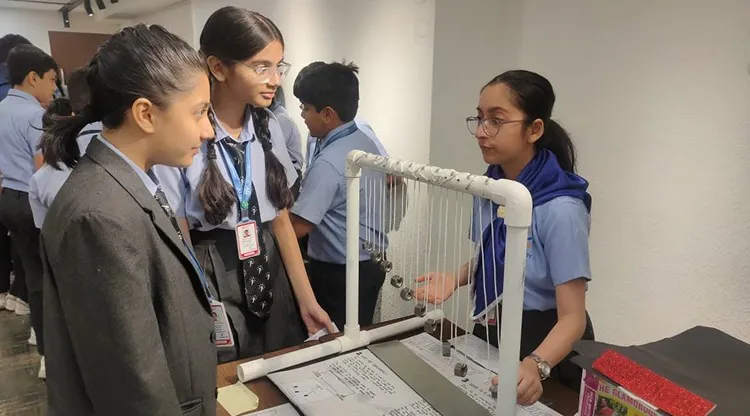
Hands-on activities, projects, discussions, and real-world experiences are encouraged. This helps students retain concepts better and apply them practically.
3. Emotional and Social Development
Emotional intelligence, empathy, teamwork, and communication skills are given equal importance alongside academics.
4. Mind-Body Connection
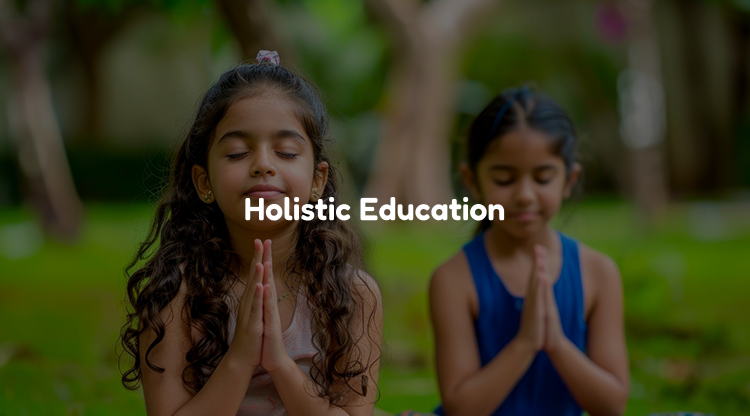
Physical health, mental well-being, mindfulness, and movement are integrated into daily learning routines.
Benefits of Holistic Education
1. Supports Well-Rounded Development
One of the most important benefits of holistic education is balanced growth. Children develop academically while also building emotional stability, confidence, and social skills.
This creates individuals who are capable, adaptable, and self-aware.
2. Improves Academic Understanding
When learning is experiential and meaningful, students understand concepts deeply rather than memorising information. This improves long-term academic performance and critical thinking abilities.
3. Builds Emotional Intelligence
Holistic education encourages children to understand their emotions and those of others. Skills such as empathy, self-regulation, and resilience help students manage stress and challenges effectively.
4. Encourages Creativity and Innovation
Art, music, drama, storytelling, and creative problem-solving are essential parts of holistic learning. This nurtures imagination and prepares students for future careers that require innovation.
5. Enhances Social Skills and Collaboration
Group activities and collaborative learning help children develop communication skills, teamwork, and leadership qualities. These skills are essential for success beyond school.
6. Promotes Lifelong Learning
Holistic education cultivates curiosity and a love for learning. Students become self-motivated learners who continue to grow intellectually and personally throughout life.
7. Focuses on Mental Well-Being
Mindfulness, reflection, and emotional support are integral to holistic education. This helps reduce academic pressure and supports positive mental health.
Why Holistic Education Matters Today?
In a rapidly changing world, children need more than academic knowledge. They need adaptability, emotional strength, creativity, and ethical awareness.
Holistic education prepares students to:
- Handle real-life challenges confidently
- Build meaningful relationships
- Make responsible decisions
- Thrive in diverse environments
Holistic Education in Schools
Many modern schools integrate holistic education through:
- Inquiry-based curricula
- Arts and sports programmes
- Life skills education
- Mindfulness and wellness practices
- Community engagement activities
Institutions such as the best international schools in Borivali emphasise holistic development through globally aligned curricula and experiential learning.
Similarly, several reputed schools in Goregaon Mumbai focus on nurturing both academic excellence and personal growth.
How Parents Can Support Holistic Learning at Home?
Parents play a key role in reinforcing holistic education by:
- Encouraging curiosity and questions
- Supporting creative expression
- Promoting physical activity and mindfulness
- Fostering open communication and emotional awareness
A supportive home environment complements holistic education and strengthens a child’s overall development.
Holistic education is not a trend. It is a thoughtful approach to nurturing confident, compassionate, and capable individuals. By focusing on the whole child, this method prepares students not only for academic success but also for life.
Understanding what holistic education is and its benefits helps parents make informed decisions when choosing the right school for their child’s future.