Skip to content

Choosing the right school for your child can feel like navigating a maze. With countless options, endless curricula, and evolving teaching methods, parents often wonder: Which approach will truly help my child thrive? One answer gaining popularity in progressive schools is integrated learning, a method that blends subjects, sparks curiosity, and connects classroom lessons to real life.
Imagine your child working on a project to design a sustainable park. They calculate areas with math, explore plant growth with science, learn about ecosystems in geography, and present their findings with writing and speaking skills. This is integrated learning in action. Learning becomes meaningful, connected, and engaging.
What is Integrated Learning?
Integrated learning is an educational approach that combines multiple subjects or disciplines into a cohesive learning experience. Instead of studying subjects in isolation, students explore connections between ideas and apply knowledge across different areas. For example, a project on environmental conservation might combine science, geography, and social studies, giving students a holistic understanding of the topic.
By connecting different subjects, integrated learning allows students to see patterns, draw conclusions, and solve complex problems. It transforms learning from rote memorisation into an engaging, meaningful experience that reflects real-world challenges.
How Integrated Learning Works in Schools?
Integrated learning is implemented in schools through various methods:
-
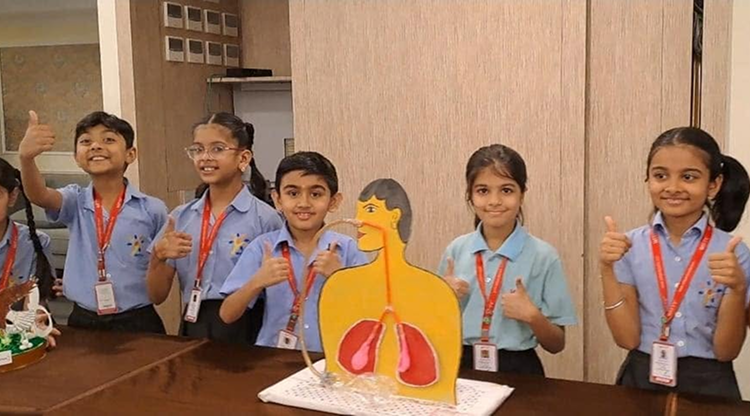
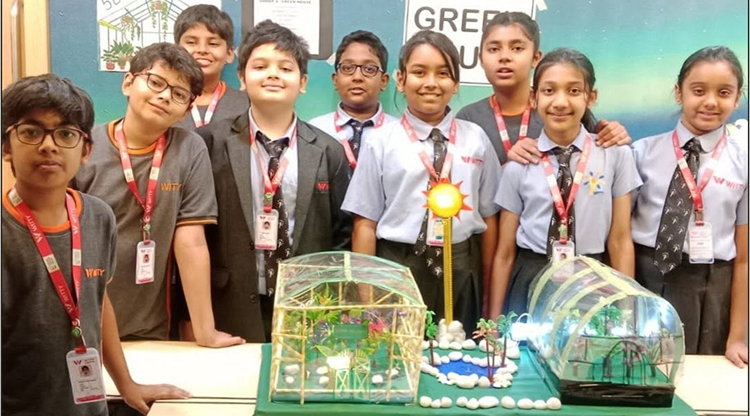
- Project-Based Learning (PBL): Students work on projects that require knowledge from multiple subjects. For instance, designing a sustainable city may involve math for measurements, science for understanding the environment, and language skills for presenting findings.
-
- Thematic Units: Lessons are organised around central themes, such as climate change or cultural heritage, linking subjects in a meaningful way.
-
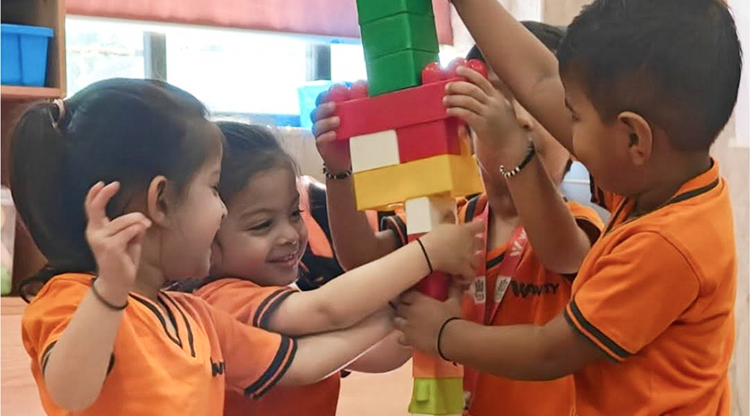
- Collaborative Learning: Students work together in groups, sharing ideas and perspectives. This mirrors real-world teamwork and encourages communication skills.
-
- Experiential Learning: Learning extends beyond textbooks into field visits, experiments, and practical experiences, helping students apply theoretical knowledge.
Many international schools in Mumbai, India, adopt integrated learning to nurture creativity, collaboration, and critical thinking in students, preparing them for a rapidly changing world.
Benefits of Integrated Learning
The advantages of integrated learning are broad, impacting academic performance, personal growth, and life skills.
1. Enhanced Critical Thinking
Integrated learning requires students to analyse problems from multiple perspectives. They develop the ability to evaluate information, make connections, and approach challenges creatively.
2. Real-World Application
By connecting classroom knowledge with real-world problems, students understand the relevance of what they learn. This approach prepares them for future careers and helps develop practical life skills.
3. Increased Engagement
Learning becomes more meaningful when students see the connections between subjects. This naturally increases motivation and participation, making education enjoyable.
4. Holistic Development
Integrated learning nurtures intellectual, social, and emotional skills. Collaboration, communication, and project work help students grow as well-rounded individuals.
5. Better Retention of Knowledge
Linking concepts across subjects helps students remember information more effectively. Learning becomes contextual, logical, and easier to retain.
Integrated Learning and School Choice
Parents seeking schools that embrace modern teaching methods should consider institutions that prioritise holistic, integrated education. Many schools in Goregaon, Mumbai, offer frameworks that combine academic rigour with creativity, innovation, and real-world problem-solving opportunities.
Choosing a school with integrated learning ensures that your child is not only academically competent but also prepared to handle complex situations, collaborate effectively with peers, and think critically in diverse contexts.
Preparing for School Admissions
Integrated learning also aligns with admission criteria in progressive schools. Students with experience in project work, thematic learning, and collaborative activities often demonstrate greater engagement and better problem-solving skills during school assessments.
When planning for school admissions in Mumbai, knowing whether a school offers integrated learning can help parents make informed decisions. Schools that prioritize this approach often have students who are more confident, adaptable, and ready for future challenges.
Tips for Parents Considering Integrated Learning Schools
1. Research Early: Start your search well before admission deadlines to understand which schools emphasise integrated learning.
2. Assess Curriculum and Activities: Look for schools that offer thematic projects, cross-subject learning, and collaborative experiences.
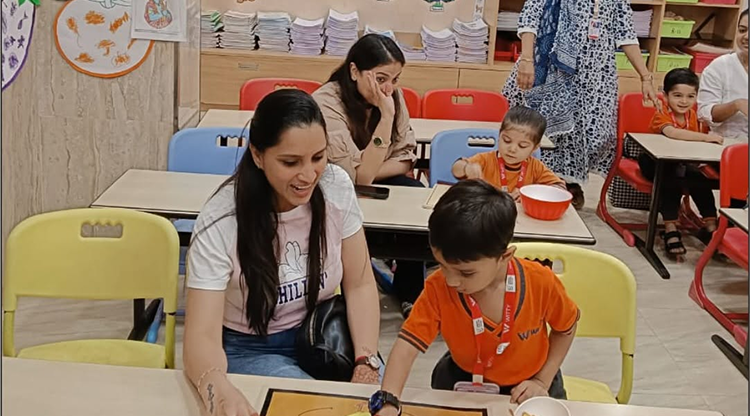
3. Visit Schools: Experiencing a school firsthand or virtually gives insights into how integrated learning is implemented.
4. Check Facilities: Adequate infrastructure, labs, libraries, and safe outdoor spaces are essential to support hands-on learning.
5. Observe Student Engagement: Schools where students are actively participating in discussions, projects, and activities are likely implementing integrated learning effectively.
Integrated learning represents a shift from traditional teaching to a more connected, practical, and student-centred approach. By linking subjects, fostering critical thinking, and encouraging collaboration, it prepares students for academic success and real-world challenges.
For parents, understanding integrated learning is key to choosing schools that provide holistic education. Investing in integrated learning today equips your child with the tools to thrive in an interconnected, dynamic world.