Skip to content

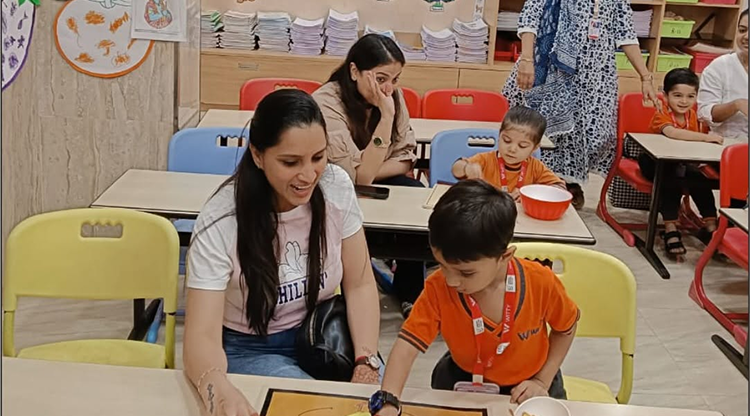
Choosing your child’s first school can feel like a very overwhelming journey. It will be the first step that your child will take towards their early learning journey. The right preschool is the first step taken towards structured learning, friendships and curiosity. Let’s walk through what are the key factors and qualities to take into consideration when you are planning the pre-school admission for your child.
Why Early Childhood Education Matters?
Early childhood education shapes more than just learning the ABCs and numericals. In reality, it builds confidence, social skills and a genuine love for learning without the crushing pressure of competitiveness and exams.
Key Factors to Consider When Choosing a Preschool
Before you shortlist any school for pre-school admission, keep these basic factors in mind:
- Evaluating the School’s Learning Approach: A good pre-school creates a wonderful blend of play and structure so that students can educate themselves while having a fun time playing with their friends. This encourages the curiosity in the students instead of feeling overwhelmed.
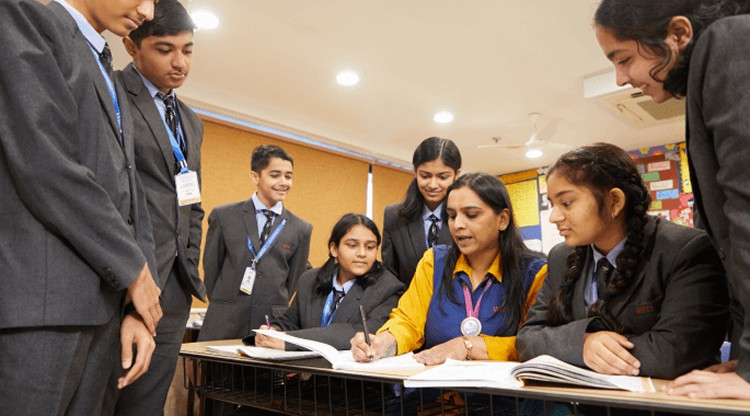
- Importance of Qualified and Caring Teachers: A trained teacher is very well aware of the areas in which the student is showing progress and the areas where they are struggling, sometimes even better than their parents do. Warmth matches as much as training here. Your child must feel comfortable opening up to the teacher and relying on them when they are unable to understand something.
- Assessing Safety, Security, and Hygiene Standards: Your pre-school should have a good security with defined pick-up and drop-off hours. Look for schools that are located in a safe neighbourhood. Check hygiene protocols such as clean washrooms, clean drinking water and good supervision by the school staff. These are very important factors that you should take into consideration at the time of pre-school admission.
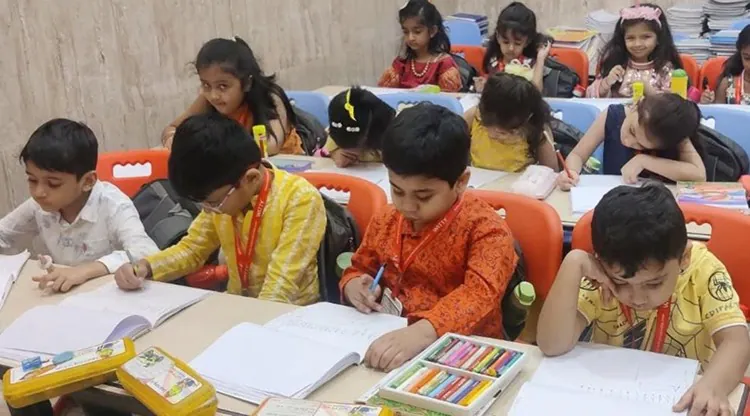
- Classroom Environment and Learning Resources: Children respond well to bright, organised with ample space to move around freely. Check for schools that have a good collection of age appropriate toys and play areas that can help your child grow and learn through interactions.
- Student-Teacher Ratio and Individual Attention: A lower ratio means that the teacher will be able to give better attention to your child, noticing every small progress and struggle they might be facing at the pre-school. This helps to give a better, more personalised report to the parents regarding how their child is performing.
- Extracurricular Activities and Holistic Development: A good pre-school is one that gives equal attention to co-curricular activities and academics. In the formative years of a child, they very easily pick on activities. Hence, introducing them to various co-curricular activities such as art, singing, dancing, sports helps in the holistic development of the child.
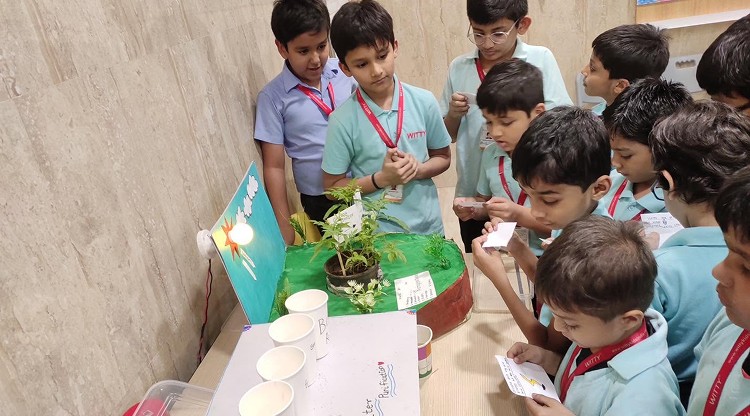
- The Role of Play-Based Learning in Early Education: Play isn’t a break from learning. It helps in better understanding of concepts and makes learning fun and interesting. It further builds problem solving skills, motor skills and social comfort organically.
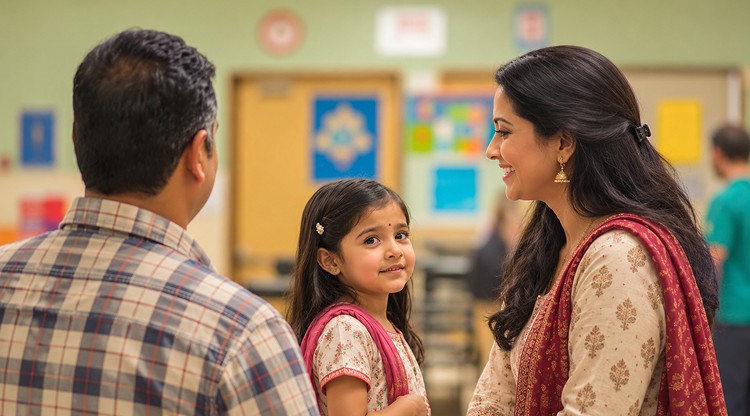
- Communication and Involvement between Parents and Schools: Maintaining regular communication and practicing an open-door policy makes parents feel connected and stay in the loop about their kid’s school performance.
- Convenience, Transport, and Location: For one thing, a shorter commute means a less stressful morning for everyone and will prevent your kid from reaching school exhausted.
Signs That a Preschool Is the Right Fit for Your Child
Sign | What It Tells You |
Child seems excited, not anxious, about school | Comfortable emotional environment |
Teachers know your child’s name and habits | Genuine individual attention |
Transparent, simple admission process | Organised, family-friendly administration |
Balanced daily schedule | Healthy mix of play, rest, and learning |
Preparing Your Child for Preschool
- Create a regular routine for meal times, nap times and bedtime.
- Teach your child to be more independent in simple tasks such as feeding themselves, dressing up and cleaning up.
- Introduce your child to picture books dealing with preschool to create enthusiasm.
- Organize some play dates in order to facilitate children’s development in sharing, communicating, and socializing.
- Instruct your child in proper personal hygiene such as washing his or her hands and going to the toilet.
- Talk to your child positively about preschool in order to help him or her overcome fears.
- Visit the preschool before the first day of classes if possible.
- Make sure that your child’s personal belongings are marked and ready.
- Keep goodbyes short and comforting on the first day.
- Help your child to create new habits and celebrate his or her success.
Conclusion
There is no need for preschool admissions or nursery school admissions to be stressful. Witty School has a simple admission process. This means families can apply whenever they want, without having to worry about strict deadlines. The steps are simple – inquiry, counseling, submission of application, verification of documents, and offer of admission in about a week’s time.
If you are looking into preschools in Borivali, Witty kids in Borivali West follow a Cambridge-based early years curriculum and lead into grade 1 in their affiliated school nearby. If you live outside Mumbai, Witty has schools in Bhilwara and Rajasthan.