Skip to content

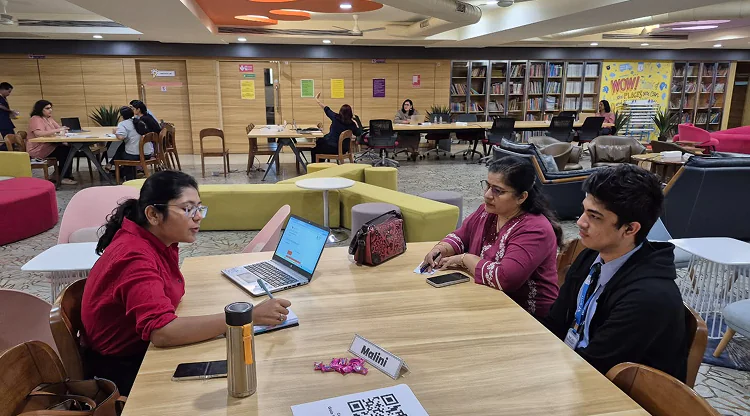
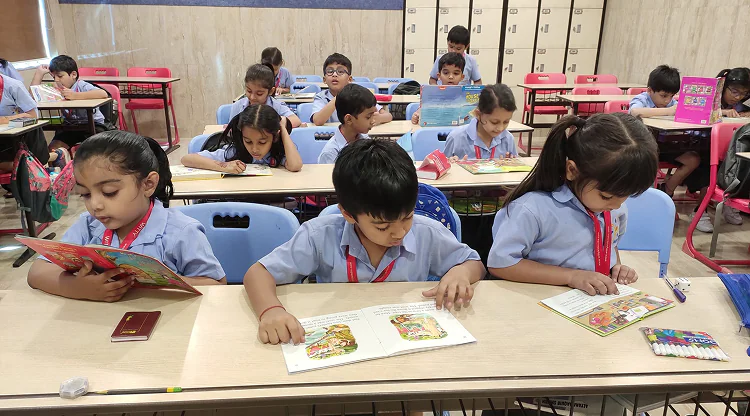
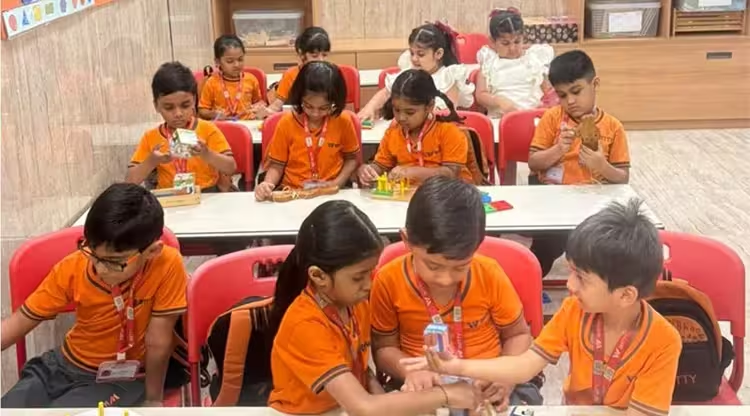
If you step into a classroom today, it looks very different from the one many of us grew up in. Children are not sitting silently in rows, copying notes for hours. Instead, you might see students discussing ideas in groups, working on tablets, presenting projects, or asking thoughtful questions.
This change reflects something deeper than new technology. It reflects a shift in how we understand learning itself. Education today recognises that children are not empty vessels waiting to be filled with information. They are thinkers, problem-solvers, and emotional beings who learn best when they feel engaged, supported, and curious.
This is why modern teaching methods have become essential rather than optional. They prepare children not just for exams but for life in a fast-changing world. For parents exploring top international schools in Mumbai, understanding how learning happens inside the classroom is just as important as curriculum, facilities, or results. The right teaching approach can shape your child’s confidence, resilience, and love for learning for years to come.
Key Highlights (At a Glance)
- Modern classrooms focus on understanding, not rote memorisation—children learn how to think, not just what to remember.
- Student-centred methods (projects, collaboration, inquiry) build deeper learning and stronger confidence.
- Technology supports learning best when used for clarity and creativity, not just as a replacement for textbooks.
- Personalised and blended learning reduce anxiety and help children learn at their own pace.
- The real outcomes go beyond grades: resilience, communication, critical thinking, emotional intelligence, and adaptability.
What Is Modern Teaching, and Why Does It Matter?
At its core, modern teaching is a shift from teaching to complete the syllabus to teaching for understanding. Traditional education often relied heavily on lectures, repetition, and memorisation. While this worked for some learners, it left many others disengaged or anxious. Modern teaching recognises a key psychological truth: children learn better when they are actively involved in the learning process.
Modern classrooms are designed to:
- encourage curiosity and questioning
- accommodate diverse learning styles
- connect concepts to real-world situations
- support emotional and social development alongside academics
When learning feels meaningful, children are more motivated—and motivation is one of the strongest drivers of long-term success.
Why Teaching Methods Shape a Child’s Future?
In today’s world, information is everywhere. What children truly need is the ability to think critically, communicate clearly, collaborate with others, and adapt to change. This is where the advantages of teaching methods rooted in innovation become evident.
Psychologically, when children are taught how to think rather than what to memorise, they develop cognitive flexibility. This allows them to apply knowledge in new situations, solve problems creatively, and make informed decisions. A child who understands concepts deeply is less likely to feel overwhelmed by challenges and more likely to approach problems with confidence.
Idea of “Good Teaching” Is Changing
For decades, traditional classrooms followed a simple model: teacher explains, students listen, students memorise. While this approach helped build discipline and structure, it often left little room for curiosity or application.
Parents noticed the gap when children:
- Forgot concepts soon after exams
- Struggled to apply learning in real life
- Lost interest despite “good marks”
As the world evolved, education had to evolve too. This led to a deeper question: what is modern teaching, and why does it matter?
Traditional vs Modern Teaching (Table)
| Aspect | Traditional Approach | Modern Approach |
| Learning goal | Finish syllabus, score in exams | Understand deeply, apply confidently |
| Classroom style | Teacher-led lecture | Student-centred, interactive |
| Student role | Passive listener | Active participant, explorer |
| Assessment | Mostly end-term tests | Continuous feedback + performance tasks |
| Skills developed | Memorisation, compliance | Critical thinking, collaboration, creativity |
| Emotional impact | Pressure, comparison | Ownership, motivation, confidence |
Key Innovations Inside the Future Classroom
1. Technology as a Tool for Understanding
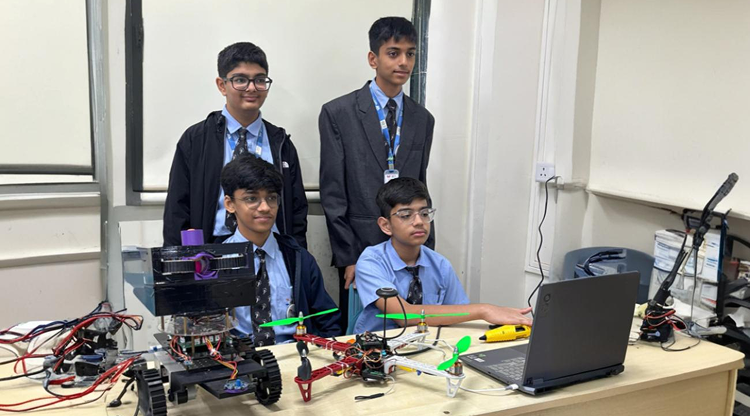
Technology has transformed classrooms, but the real magic lies in how it is used. Smart boards, tablets, and digital platforms help teachers explain abstract concepts visually, use videos and infographics, and allow students to revisit lessons at their own pace.
From a neuroscience perspective, visual and interactive learning activates multiple areas of the brain, improving comprehension and memory retention. For instance, a child struggling with textual explanations may suddenly grasp a concept when it is animated or demonstrated digitally.
2. Personalised Learning: Respecting Individual Pace
Every child learns differently. Some need repetition, while others thrive on challenge. Modern classrooms use assessments and teacher insights to personalise learning paths.
Psychologically, personalised learning reduces performance anxiety, fear of comparison, and pressure to keep up with peers. Children develop self-awareness and take ownership of their education. This builds intrinsic motivation, meaning children learn because they want to, not because they are afraid of failing.
3. Blended Learning: Balancing Traditional and Digital Methods
Blended learning combines classroom interaction with online resources. Children benefit from face-to-face discussions, group activities, and online videos, quizzes, and reading materials. This ensures engagement, continuity, and flexibility.
Schools that clearly communicate their approach during the admissions process often emphasise blended learning. It allows children to access resources anytime while still engaging directly with teachers and peers.
Student-Centred Learning: Where Real Growth Happens
1. Flipped Classrooms: Preparing Before Class
In flipped classrooms, students explore new concepts at home through videos or reading and then apply that knowledge in class. Children arrive prepared, confident, and ready to participate actively.
Psychologically, this reduces anxiety and encourages independence. Classroom time is spent deepening understanding, discussing ideas, and solving problems collaboratively.
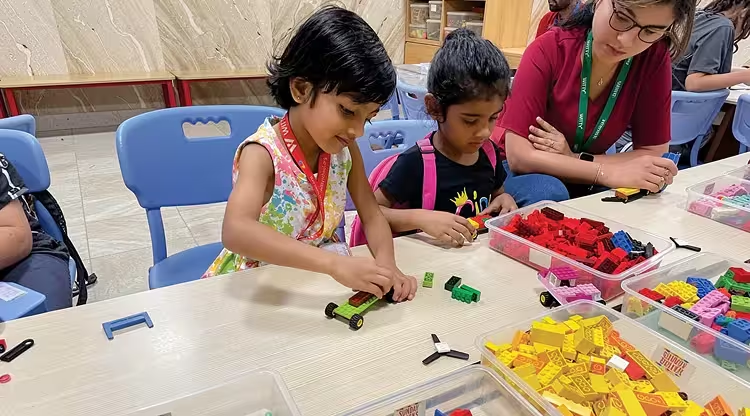
2. Project-Based Learning: Learning by Doing
Project-based learning encourages students to research real-world problems, collaborate with peers, and present creative solutions. This method develops critical thinking, communication, teamwork, and leadership skills.
From a cognitive perspective, hands-on learning strengthens neural connections by allowing children to actively apply what they learn, thereby improving retention and understanding. Real-world projects help children see the relevance of their knowledge and connect it to life beyond school.
3. Gamification: Making Learning Enjoyable
Games, quizzes, debates, and interactive challenges make learning enjoyable and inclusive. Play-based learning reduces stress, encourages participation, and improves recall. Children are more willing to try, fail, and try again when learning feels safe and fun. Gamification also supports social skills like collaboration, adaptability, and communication.
Benefits Beyond Academics
The benefits of teaching methods rooted in innovation extend well beyond grades:
- Better focus, engagement, and motivation
- Stronger problem-solving and critical thinking skills
- Improved communication and collaboration
- Greater emotional intelligence
- Increased self-confidence and resilience
- Flexibility and adaptability for real-world challenges
These benefits help children become well-rounded individuals ready to navigate the complexities of life.
Addressing Challenges of Modern Teaching
Modern teaching does have challenges:
- Cost of infrastructure and technology
- Need for continuous teacher training
- Adjusting lesson plans to new systems
- Balancing digital and in-person learning
However, schools that invest in teacher development and infrastructure create environments where children thrive academically, emotionally, and socially. The effort is worthwhile for long-term growth and real learning outcomes.
What Parents Should Look For?
When choosing a school, ask:
- How does the school encourage curiosity and critical thinking?
- Are children given opportunities to communicate and collaborate?
- How does the school support emotional well-being alongside academics?
Parents exploring schools in Malad West, Mumbai, often find that institutions that embrace innovative teaching methods nurture confident, curious learners who are ready to take on future challenges.
Real-World Relevance of Modern Teaching
Modern teaching equips children with skills that go beyond textbooks:
- Emotional resilience helps them cope with failure
- Communication and collaboration prepare them for workplace dynamics
- Creativity and problem-solving foster innovation
- Independent thinking encourages lifelong learning
For example, children who engage in project-based learning often become better planners, decision-makers, and team players. These are qualities parents notice at home when children take initiative or solve everyday problems creatively.
Education That Prepares Children for Life
The future classroom is not about flashy technology or trends. It is about understanding how children learn best and designing education around that understanding.
Modern teaching methods nurture thinkers, problem-solvers, and empathetic individuals. They prepare children not only for exams but also for the challenges and opportunities of life beyond school.
For parents looking for the right school environment, exploring secondary schools in Mumbai that embrace innovative teaching methods ensures that your child receives an education designed for the real world. The right teaching approach helps children develop confidence, curiosity, emotional intelligence, and a genuine love for learning, a gift that lasts a lifetime.