Skip to content

Today, most conversations happen through quick voice notes, emojis, and constant scrolling. In the middle of all this, an important skill is fading away: thinking deeply and expressing thoughts clearly.
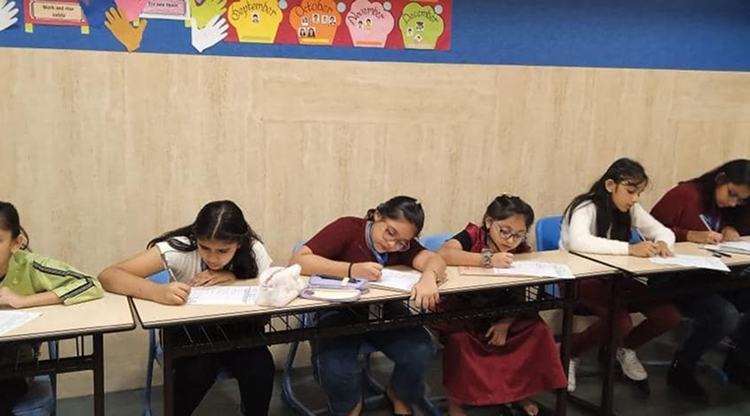
Remember your own school days. Writing a one-page essay often felt long and tiring, but it had a real impact. It slowed your thinking, helped you organize ideas, and taught you how to explain yourself. This is why knowing the benefits of writing for students is so important today.
At Witty Schools, we often ask: What is writing really about? It is more than marks or neat handwriting. Writing helps ideas become clearer, gives emotions direction, and helps children understand the world. This guide goes beyond grades and homework to show how writing shapes confident, thoughtful, and prepared learners.
The 15 Cornerstone Benefits of Writing for Your Child
-
Sharpens Critical Thinking and Analysis
Writing is a structured way of thinking. When your child writes, they evaluate information, organise ideas, and build arguments. This mental exercise helps them develop a disciplined, analytical mind that can solve complex problems in school and in life, moving past memorisation to real understanding.
-
Boosts Academic Performance Across the Board:
The act of writing solidifies learning. Whether summarising a science chapter, explaining a math solution, or analysing a historical event, writing forces active engagement with the material. This leads to better retention, deeper comprehension, and ultimately, higher achievement in all subjects, not just language arts.
-
Builds Foundational Communication Skills:
In our digital world, clear written communication is vital. Writing teaches precision. It trains your child to choose words carefully, structure sentences for clarity, and convey ideas without ambiguity. This skill is the bedrock for future success, from impactful presentations to professional emails.
-
Expands Vocabulary and Language Command:
Regular writing naturally pushes your child to explore new words to express nuanced thoughts. They move from basic terms to richer language, actively experimenting with syntax and style. This immersive practice leads to stronger grammar, more fluent speech, and greater confidence in using language as a powerful tool.
-
Fuels Creativity and Imaginative Exploration:
What is creative writing if not a playground for the mind? It allows children to build worlds, create characters, and explore endless narratives. This creative freedom fosters innovative thinking, encouraging them to approach problems from unique angles and develop original solutions, a key skill for the future.
-
Strengthens Memory and Knowledge Retention:
The physical and cognitive act of writing creates a stronger memory trace than passive reading or listening. When your child writes notes or paraphrases a lesson, they process information more deeply. This active learning technique transforms temporary facts into lasting, usable knowledge.
-
Develops a Confident and Authentic Personal Voice:
Writing provides a safe space for self-discovery. As children articulate their opinions, dreams, and observations, they learn to understand and trust their own perspective. This builds the inner confidence needed to share ideas openly in class discussions and collaborative projects.
-
Enhances Focus and Deep Concentration:
In an age of constant digital notifications, writing demands sustained, single-tasked attention. It trains the brain to immerse itself, ignore distractions, and engage deeply with a single line of thought. This improved concentration positively impacts all other areas of study and activity.
-
Cultivates Empathy and Emotional Intelligence:
Writing from another character’s viewpoint or about different life experiences encourages children to see the world through another’s eyes. This practice builds empathy, helping them understand diverse perspectives and emotions, which is essential for building healthy, respectful relationships.
-
Instils Discipline and Effective Time Management:
Writing assignments come with planning stages and deadlines. Learning to outline, draft, revise, and complete work on time teaches invaluable project management skills. This discipline directly translates into managing homework, extracurriculars, and future responsibilities.
-
Refines Research and Information Literacy Skills
Good writing is often supported by solid research. Your child learns to identify credible sources, gather relevant facts, and synthesise information to support their ideas. These critical research skills are fundamental to academic inquiry and to navigating the vast online information landscape.
-
Provides a Healthy Emotional Outlet and Clarity
A private journal can be a powerful tool for mental well-being. Writing about daily experiences, frustrations, or joys helps children process complex emotions, reduce anxiety, and gain perspective. It is a constructive way to navigate the ups and downs of growing up.
-
Prepares Directly for Future Academic and Professional Goals
Strong writing is a universal credential. From crafting a compelling college application essay to writing a precise project report, this skill opens doors. Early mastery gives your child a distinct advantage in higher education and the competitive global job market.
-
Encourages Self-Reflection and Personal Growth
Writing about experiences allows for meaningful reflection. This habit helps children analyse their actions, learn from mistakes, and celebrate growth. It fosters self-awareness and a proactive mindset, key components of personal development.
-
Improves Reading Comprehension and Engagement
Writing and reading are deeply connected. As children write, they become more attuned to an author’s craft, narrative structure, and word choice. This makes them more active, critical, and engaged readers, enhancing their overall literacy.
Practical Ways to Nurture Writing Skills at Home and School
1. Establish a Consistent and Inspiring Writing Routine: Carve out a small, dedicated time for writing, free from distractions. It could be 20 minutes after dinner with a special notebook. Consistency is more powerful than duration. Let this be a calm ritual, not a chore, where ideas can flow freely.
2. Connect Writing to Passions and Daily Life: Link writing to your child’s interests. Encourage them to write a fan story about their favourite book hero, maintain a sports journal, or create a blog review of family trips. When writing feels relevant and fun, intrinsic motivation flourishes naturally.
3. Be an Active and Encouraging Audience: Celebrate the ideas before perfecting the grammar. When your child shares their writing, focus on the creativity and effort they put into it. Ask curious questions about their story or argument. Your genuine interest is the strongest motivator for them to keep going.
4. Leverage Technology as a Creative Partner: Engage your digital-native child by encouraging them to write short scripts for videos, compose posts for a private family blog, or even use apps for collaborative storytelling. Using tech as a canvas makes the writing process modern and engaging.
5. Promote Reading as a Natural Companion to Writing: A child who reads is exposed to diverse writing styles and vocabulary. Discuss stories together. Talk about how an author built suspense or described a scene. This informal analysis subconsciously informs and improves their own writing style.
6. Partner with a School That Prioritises Expression: Choose an environment where writing is woven into the curriculum across subjects. Look for schools that encourage journaling, project-based reports, and creative platforms. The right mentorship and peer environment can transform writing from a task into a passion. For families exploring options, we are proud to be recognised among the best schools in Mumbai, offering a nurturing environment.
Your Child’s Journey to Articulate Confidence Starts Here
The real benefits of writing go far beyond school grades. Writing shapes clear thinkers, strong communicators, and caring people. It prepares your child not just for exams but for the challenges of life and leadership.
At Witty Schools, this belief is central to our ICSE and Cambridge IGCSE pedagogy. We create an environment where every student is encouraged to find their voice, to think critically, and to express themselves with confidence and clarity. Our campuses, including our vibrant community in the schools in the Malad area, are designed to inspire this journey.
We invite you to see this approach in action. Visit www.wittyschool.org to learn more about our unique programmes and how we partner with parents to unlock each child’s potential.