Skip to content

Choosing a school is about more than examination results. The right school should help your child understand concepts, communicate confidently, develop healthy study habits and remain curious about the world.
Parents wondering how to choose the best CBSE school should therefore examine how effectively each school delivers the curriculum. Teaching quality, student support, safety, extracurricular opportunities and school culture can matter as much as the board itself.
Key Takeaways
To choose the best CBSE school, compare its affiliation, teaching methodology, faculty experience, class size, academic support, infrastructure, safety systems and extracurricular programme. Visit the campus, observe teacher-student interactions and ask how the school tracks progress. The best choice is one that meets your child’s learning, emotional and practical needs.
Why Choosing the Right CBSE School Matters
Schools affiliated with the same board can offer very different educational experiences. CBSE establishes the academic framework, but school leadership and teachers determine what daily learning feels like.
The right environment can help children:
- Develop conceptual understanding and study discipline
- Receive timely support for learning difficulties
- Participate in sports, arts and leadership activities
- Prepare gradually for senior-secondary subjects
- Build communication, collaboration and problem-solving skills
- Maintain a healthier balance between achievement and well-being
Parents should focus on sustained student growth instead of selecting a school solely because of publicity, rankings or one year’s board results.
What Is the CBSE Curriculum?
The Central Board of Secondary Education is a national education board operating under India’s Ministry of Education. It affiliates schools in India and abroad and establishes curricula, assessment requirements and academic standards.
The CBSE curriculum provides a structured progression across school stages. It commonly draws on NCERT learning resources and places increasing emphasis on competency-based education, conceptual clarity and application.
Subject combinations differ by grade and school. Parents should verify the languages, electives and senior-secondary streams offered by each campus rather than assuming that every CBSE school provides identical choices.
Benefits of the CBSE Curriculum for Academic Growth
The benefits of the CBSE board extend beyond a familiar national syllabus.
| Benefit | Why it may help students |
| National framework | Supports continuity for families relocating within India |
| Structured progression | Builds concepts systematically across grades |
| Conceptual learning | Encourages understanding and application |
| Competitive-exam familiarity | Overlaps with concepts tested in several national examinations |
| Defined assessments | Provides clear learning and evaluation expectations |
| Subject flexibility | Offers different electives at higher levels |
CBSE can provide a useful foundation for JEE, NEET and other entrance examinations, but board study alone does not guarantee success. Students still require focused preparation, effective guidance and regular practice.
Key Factors to Consider When Choosing a CBSE School
First, confirm the school’s CBSE affiliation and the grades covered by the relevant campus. Parents can check affiliation details through official CBSE channels.
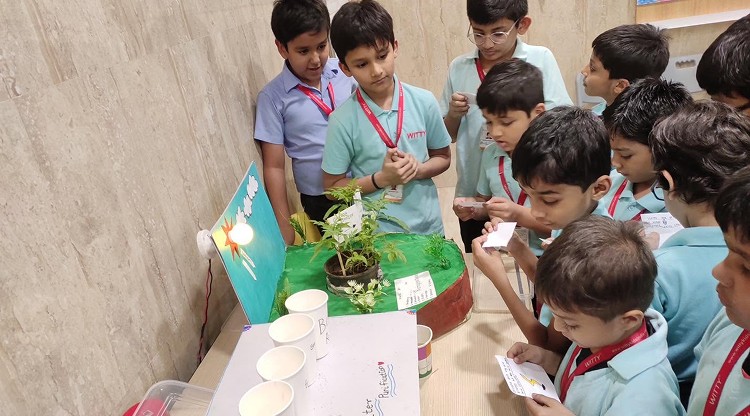
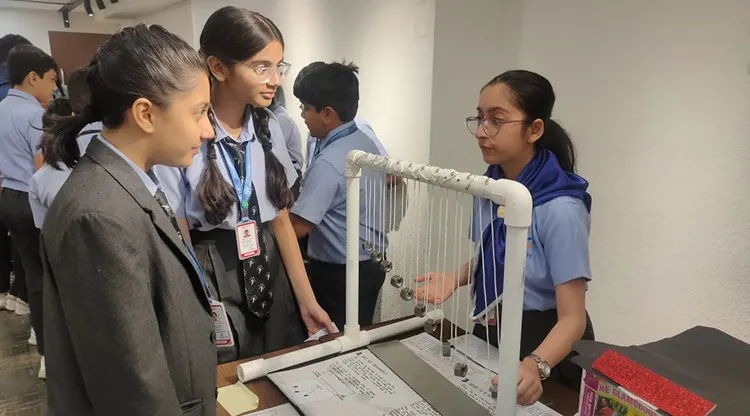
Next, evaluate the teaching methodology. Ask whether lessons include discussions, experiments, projects and real-life applications or depend mainly on textbooks. A good school should explain how teachers identify learning gaps and support students who require additional help.
Inspect laboratories, libraries, sports areas, classrooms, washrooms and medical facilities. Infrastructure should be safe, functional and regularly used—not simply displayed during campus tours.
Parents should also ask about actual class strength, assessment frequency, homework expectations, fee inclusions and communication practices.
Experienced Faculty and Student Support
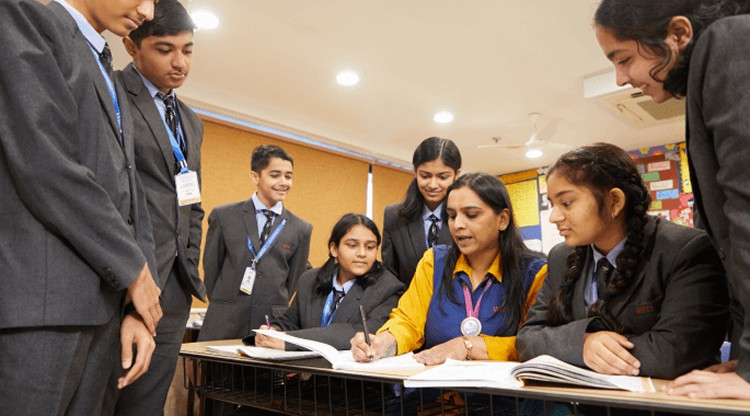
Qualified, approachable teachers are central to academic growth. Ask about faculty experience, professional development and staff turnover. Teachers should be able to explain difficult ideas clearly, provide useful feedback and accommodate different learning speeds.
Strong schools establish an intervention pathway for students who struggle. This may involve teacher observations, parent discussions, remedial support, counselling or referrals to appropriate specialists.
For older students, subject-selection and career guidance are equally valuable. Confirm when counselling begins and whether advice is based on interests and aptitude rather than marks alone.
Extracurricular Activities and Holistic Development
The best CBSE schools recognise that academic performance is only one part of development. Sport, art, music, debate, theatre, clubs and community initiatives can build confidence, creativity, teamwork and leadership.
Examine how frequently these activities occur and whether every student can participate. A long list in a brochure is less meaningful if activities happen only occasionally or are limited to selected performers.
Student well-being should also be prioritised through anti-bullying procedures, child-protection policies, medical readiness, counselling access and respectful classroom relationships.
Technology Integration and Modern Learning
Technology can make abstract concepts more visual, support research and improve parent communication. Useful resources may include interactive displays, computer laboratories, digital assessments and parent portals.
However, equipment alone does not demonstrate modern teaching. Ask how technology improves learning, how teachers are trained and how the school protects students’ privacy and online safety.
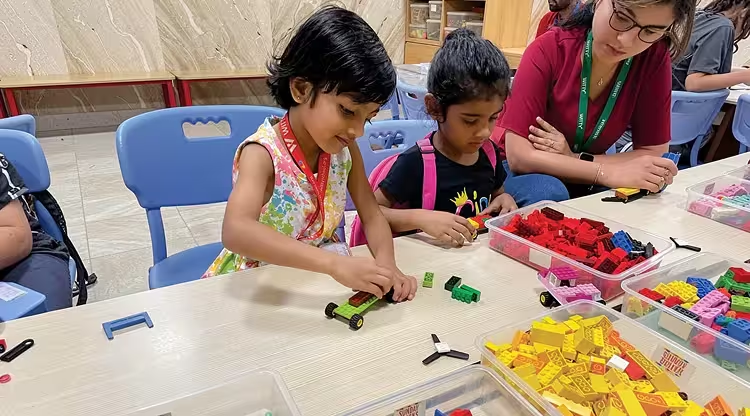
For younger children, digital tools should complement conversation, reading, movement and hands-on activities rather than replacing them.
Choosing a CBSE School in Rajasthan
Families evaluating the top CBSE schools in Rajasthan can explore Witty’s curriculum, campuses and learning environment. Parents can also learn more about its approach to the CBSE curriculum in Bhilwara.
Those comparing the top schools in Bhilwara should visit the campus, meet educators and confirm current grade availability, subject options, facilities, fees and transport routes before applying.
The best school is ultimately the one that makes your child feel safe, supported, appropriately challenged and motivated to learn.
Frequently Asked Questions
How should parents choose the best CBSE school?
Compare affiliation, teaching quality, faculty experience, class size, safety, academic support, facilities, activities, commute and fees before deciding.
What are the main benefits of studying in CBSE schools?
CBSE offers a structured national framework, continuity across locations, systematic subject progression and familiarity with concepts used in several competitive examinations.
Do CBSE schools prepare students for JEE and NEET?
The curriculum covers many relevant concepts, but students usually need examination-specific practice, guidance and time-management strategies.
Are extracurricular activities important in a CBSE school?
Yes. Well-planned activities strengthen fitness, creativity, confidence, communication, teamwork and leadership while supporting balanced development.
What should parents check during a campus visit?
Observe classroom interactions, inspect facilities and ask about class size, teacher training, safety, assessments, student support, transport and parent communication.