Skip to content

If you are a parent, you have probably asked yourself this question at least once. Why does my child sit with books open but learn so little?
Between school, homework, screens, tuition classes, and tired evenings, studying often becomes rushed and stressful. Many parents want to help but feel unsure about where to start. You want your child to do well, stay confident, and still enjoy being a child.
This is where a thoughtful study routine plays a powerful role. A well-planned routine brings calm to your child’s day. It removes confusion. It builds confidence. Most importantly, it helps learning become steady rather than stressful. When done right, a routine supports both academic success and emotional balance.
What is a study routine?
A study routine is a planned structure that guides when, how, and what a child studies each day. It clarifies the time for learning and helps children manage schoolwork alongside play, rest, and family time. A strong routine supports focus, reduces last-minute panic, and builds discipline gradually. Over time, a well-designed study routine for students becomes a habit that supports lifelong learning.
Creating a Supportive and Sustainable Study Framework
-
Understand your child’s natural focus patterns.
Every child learns differently. Some children concentrate better after returning from school, while others need rest before studying. Observe your child for a few days. Notice when they feel alert and calm. Building a routine around these hours helps you design a realistic daily study schedule that your child can follow without resistance.
-
Set a regular study time and stick to it daily.
Consistency matters more than duration. Choose a fixed study time and stick to it even on busy days. This helps the brain associate that time with a sense of focus. Over weeks, this consistency forms a reliable daily study routine that feels familiar rather than forced.
-
Break study time into manageable blocks
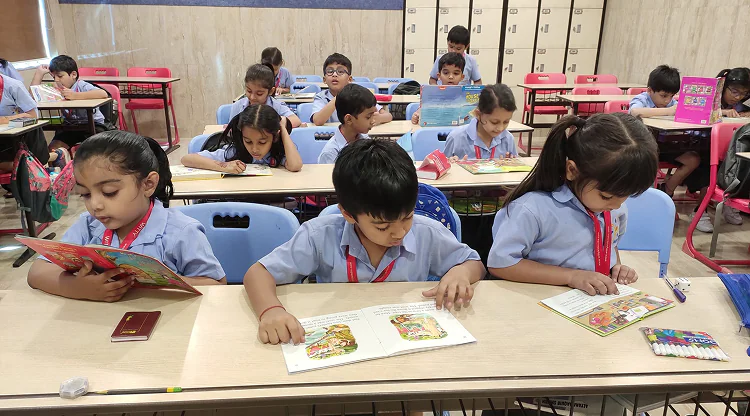
Long study hours can lead to fatigue and distraction. Divide study time into shorter sessions with breaks in between. Younger children benefit from shorter blocks, while older students can manage longer focus periods. This structure supports retention and builds an effective study routine that keeps learning productive.
-
Create a calm and dedicated study space at home.
Children focus better when their study area is predictable and organised. Choose one place for studying. Keep it well-lit and free from noise. Avoid studying in bed or near a television. A consistent space encourages discipline and strengthens positive study habits over time.
-
Plan subjects based on energy, not difficulty alone
Avoid scheduling all heavy subjects back-to-back. Mix subjects that require deep thinking with lighter ones. Rotate topics across the week. This balanced study schedule for students keeps your child engaged and reduces mental overload.
-
Involve your child in routine planning.
Sit with your child as you plan their routine. Ask what they enjoy and what feels difficult. When children help plan their schedule, they feel respected and responsible. This involvement is essential when learning how to build a study routine that lasts.
-
Use digital tools thoughtfully.
Digital tools can support planning when used with intention. Simple tools like calendar reminders or task trackers help children visualise their workload and stay organised. At the same time, set clear rules around notifications and screen use. This balance teaches responsibility and helps technology support learning without becoming a distraction.
-
Review and adjust the routine regularly.
A study routine should grow with your child. Academic demands, energy levels, and interests change over time. Review the routine with your child every few weeks. Discuss what feels easy and what feels stressful. Small adjustments keep the routine practical, relevant, and supportive rather than rigid or overwhelming.
Why a Thoughtful Study Routine Makes a Difference
A structured routine helps children feel prepared rather than pressured. It improves focus, builds time awareness, and supports emotional well-being. Parents also gain clarity on their child’s progress and challenges. In learning environments like ICSE schools in Borivali, structured routines are reinforced both in classrooms and at home, creating consistency for students.
Guiding Your Child Towards Confident Learning
At Witty Schools, we believe that strong learning habits start early and grow with the child. Our approach blends structure with flexibility, ensuring students feel supported at every stage. As one of the trusted Schools in Mumbai, we work closely with parents to nurture disciplined, curious, and confident learners.
If you would like to see how our academic environment supports balanced routines and holistic growth, we invite you to visit Witty Schools. Let us partner with you in shaping a positive learning journey for your child.