Skip to content

As a parent, you have likely seen your child read the same page again and again, yet struggle to explain what it means. It can feel frustrating, even a little worrying. The truth is, this is more common than you think. Grasping power is not something a child is simply born with or without. It is a skill that grows with the right guidance, habits, and environment. With a little patience and the right approach, children can learn to understand concepts faster and remember them better.
In this blog, let us explore simple and practical ways to improve your child’s grasping power.
What Is Grasping Power, and Why Does It Matter?
Grasping power is a child’s ability to understand, process, and retain new information. It goes beyond memorisation. A student with strong grasping power can connect a concept taught in class to a real-life situation or a problem they have never seen before. It is the foundation of meaningful learning, and it plays a direct role in academic performance, confidence, and critical thinking.
When grasping is poor, students fall back on rote learning, which gets them only so far. Application-based questions in exams and the demands of higher education require real understanding, not just memorisation.
How To Improve Grasping Power: Practical Strategies That Actually Work
Here are tried and tested methods that parents, teachers, and students can use together.
Strategy | How It Helps | Who Should Lead |
Break concepts into chunks | Reduces overwhelm; aids step-by-step understanding | Teachers and parents |
Active note-taking | Improves comprehension and memory retention | Students |
Use of visualisation and mind maps | Converts abstract ideas into memorable images | Students with teacher guidance |
Daily brain exercises (chess, Sudoku, crosswords) | Strengthens neural pathways and concentration | Students and parents at home |
Pomodoro Technique (25 min study + 5 min break) | Prevents mental fatigue; sustains focus | Students |
Meditation (10 minutes daily) | Calms the brain; improves memory and learning | Students, with parental encouragement |
How To Increase Grasping Power While Studying: Tips for the Study Table
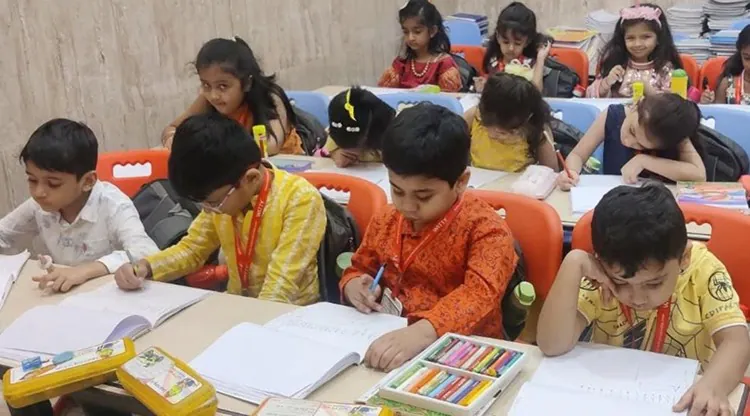
The environment in which a child studies matters enormously. Here are some practical steps parents can take at home:
- Create a dedicated study space free from distractions, particularly mobile phones and television.
- Encourage your child to read information aloud rather than silently. Reading aloud engages both the auditory and visual pathways of the brain, strengthening retention.
- Ask your child to explain what they have studied back to you in simple words. Teaching a concept is one of the most powerful ways to confirm understanding.
- Encourage the use of multiple resources such as educational videos, diagrams, and practice problems alongside textbooks.
- Help your child follow a strict, realistic schedule rather than relying on bursts of motivation.
Which School Environment Supports Better Grasping Power?
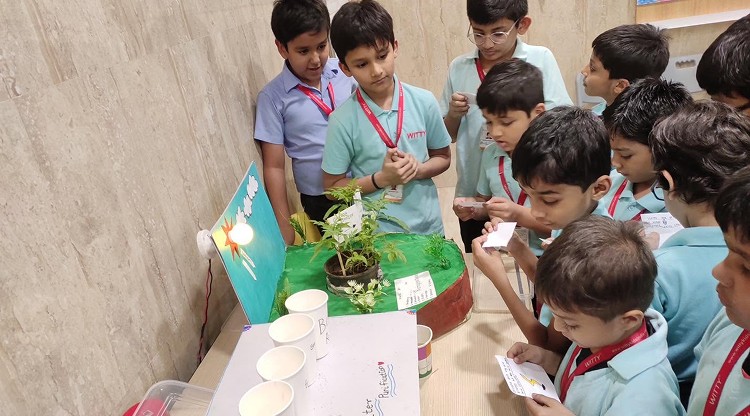
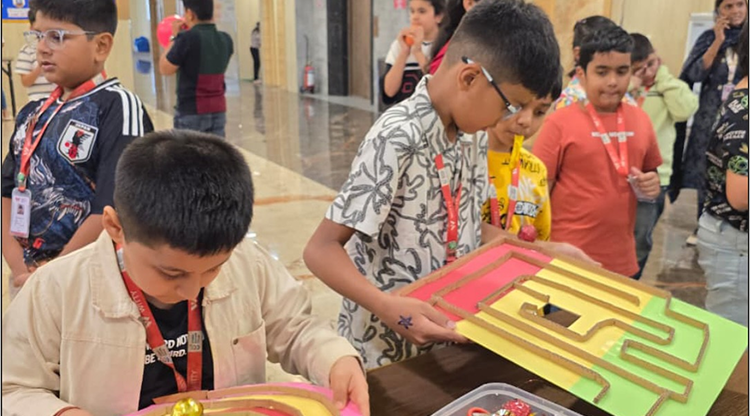
Schools play an enormous role in shaping how students learn. At Witty Schools, we believe that a child learns best when their curiosity is genuinely piqued. Our approach goes beyond textbooks, incorporating experiential learning, concept clarity sessions, and a nurturing environment where children feel comfortable asking questions. Parents looking for the best ICSE schools in Mumbai will find that Witty Schools prioritises conceptual understanding over rote memorisation at every stage.
For families in the northern suburbs, Witty Schools is also counted among the leading ICSE schools in Borivali, offering a structured yet stimulating academic environment designed to strengthen each child’s foundational learning.
How To Increase Grasping Power: The Role of Parents
You do not need to be an academic expert to help your child. What matters most is consistency, encouragement, and genuine interest in their learning. Celebrate effort, not just results. Avoid comparing your child to siblings or classmates; every child’s learning curve is different. When a child feels safe making mistakes, they become more willing to engage deeply with challenging material.
Helping a child increase their grasping power is a gradual process. Small, daily habits compound over time into remarkable improvement.
Frequently Asked Questions
1. What is the main reason some students have weak grasping power?
Weak grasping power often results from a combination of factors: over-reliance on rote learning, poor concentration, inadequate sleep, stress, and a study environment filled with distractions. Addressing these root causes is more effective than simply increasing study time.
2. How long does it take to see improvement in grasping power?
With consistent effort, parents and students typically notice improvement within four to six weeks. Habits such as daily meditation, structured study schedules, and brain exercises show results gradually. Patience is essential.
3. What foods are good for improving a child’s memory and grasping ability?
Foods rich in omega-3 fatty acids (such as walnuts and fish), antioxidants (such as berries and leafy greens), and complex carbohydrates support brain function. Staying well-hydrated is equally important. Avoid heavy meals before study sessions, as they can cause sluggishness.
4. How does meditation help with how to improve grasping power?
Research indicates that meditation positively affects the parts of the brain responsible for memory, learning, and cognition. Even ten minutes of daily mindful breathing can reduce stress hormones, improve focus, and enhance a student’s ability to absorb new information.
5. When should I be concerned about my child’s grasping ability?
If your child consistently struggles to follow basic instructions, has difficulty retaining simple information over time, or shows frustration despite genuine effort, it may be worth consulting a learning specialist or school counsellor. Early intervention can make a significant difference.
A Final Word for Parents
Improving a child’s grasping power is a shared journey. Schools, parents, and students each have a role to play. By combining healthy lifestyle habits, smart study techniques, a supportive environment, and the right school, you give your child the best possible foundation for lifelong learning.
At Witty Schools, we are committed to nurturing not just academic achievement but genuine understanding and intellectual curiosity. Visit www.wittyschool.org to learn more about our approach to learning.