Skip to content

Choosing a primary school involves more than comparing fees, rankings or facilities. The right school should help children develop strong academic foundations while nurturing curiosity, communication, confidence and independence.
Parents considering Cambridge Primary education should evaluate both the curriculum and how effectively a school delivers it. Teacher expertise, classroom practices, student support and opportunities beyond academics ultimately shape a child’s learning experience.
Key Takeaways
To choose the right Cambridge Primary school, evaluate its Cambridge registration, subject choices, teaching methodology, faculty training, assessment practices, class environment and extracurricular opportunities. Visit the campus, observe classroom interactions and ask how the school supports different learning needs and progression beyond the primary years.
What Is the Cambridge Primary Curriculum?
Cambridge Primary is an international education programme generally designed for learners aged five to eleven. Developed by Cambridge International Education, it provides a flexible framework that schools can adapt to their context and learners.
The Cambridge Primary syllabus can include English, mathematics, science, computing, humanities, global perspectives, art and design, music, physical education and wellbeing. Subjects offered may differ between schools.
Rather than relying primarily on memorisation, the Cambridge curriculum encourages learners to understand concepts, ask questions and apply knowledge. It also establishes learning objectives that help schools monitor development across the primary years.
Why Choose Cambridge Primary Education?
Cambridge Primary education is designed to develop subject knowledge alongside broader learning skills. Children are encouraged to investigate, communicate, collaborate and reflect on their progress.
Its flexible structure allows schools to connect international learning objectives with local culture, languages and contexts. This can be valuable for Indian families seeking an international education without separating children from their immediate environment.
The Cambridge international curriculum can also provide continuity for internationally mobile families, although parents should confirm subject alignment and admission requirements with the receiving school before relocating.
Benefits of the Cambridge Curriculum for Young Learners
| Benefit | What parents may observe |
| Conceptual understanding | Children explain why an answer works |
| Critical thinking | Learners compare information and justify ideas |
| Communication | Students discuss, present and collaborate |
| Global awareness | Lessons explore different cultures and perspectives |
| Independent learning | Children reflect and take responsibility |
| Flexible progression | Learning objectives build across stages |
These benefits depend on thoughtful implementation. A school should demonstrate how they appear in everyday lessons rather than merely displaying the Cambridge name.
Curriculum Structure and Teaching Methodology
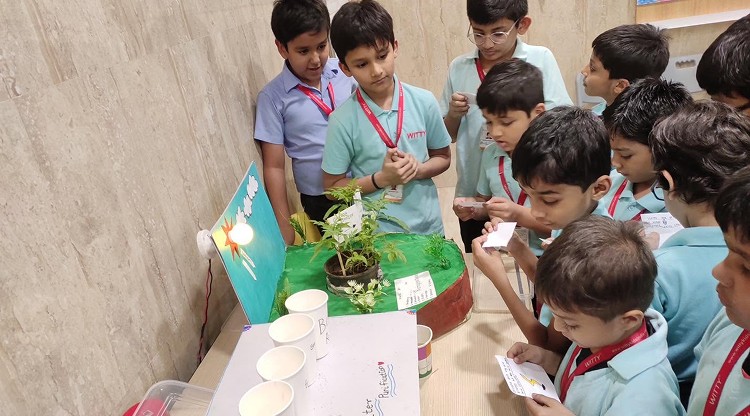
Effective Cambridge classrooms combine explicit instruction with inquiry, discussion and practical application. A mathematics lesson might use real-life problems, while science may include prediction, observation and experimentation.
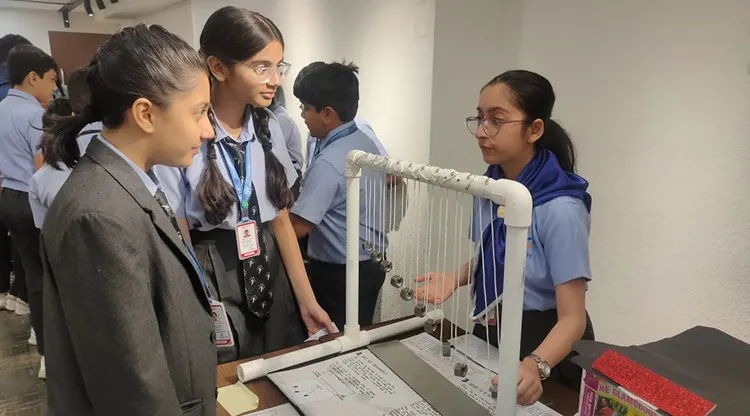
Ask how the school plans lessons and whether students regularly complete collaborative tasks, investigations and presentations. Technology should support a clear learning objective instead of replacing interaction or hands-on exploration.
Assessment should also be balanced. Teachers can use classroom observations, quizzes, projects and Cambridge progression tools to identify strengths and gaps. Parents should ask how often progress is reported and what support is provided when a child needs more time.
Faculty Experience and Student-Centred Learning
Even a well-designed curriculum depends on capable teachers. Enquire about educators’ qualifications, Cambridge-specific professional development and experience with primary-aged learners.
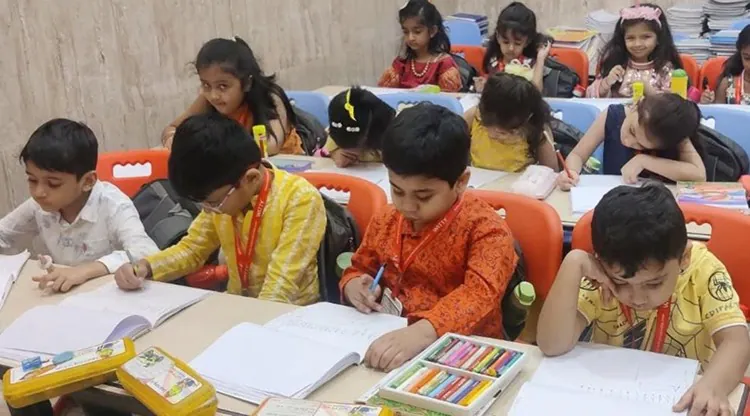
In a student-centred classroom, children participate actively instead of listening passively throughout the day. Teachers invite questions, provide constructive feedback and adapt explanations for different abilities.
During a campus visit, observe whether students appear comfortable expressing ideas and making mistakes. A positive classroom should be purposeful and engaging without placing young learners under unnecessary academic pressure.
Extracurricular Activities and Holistic Development
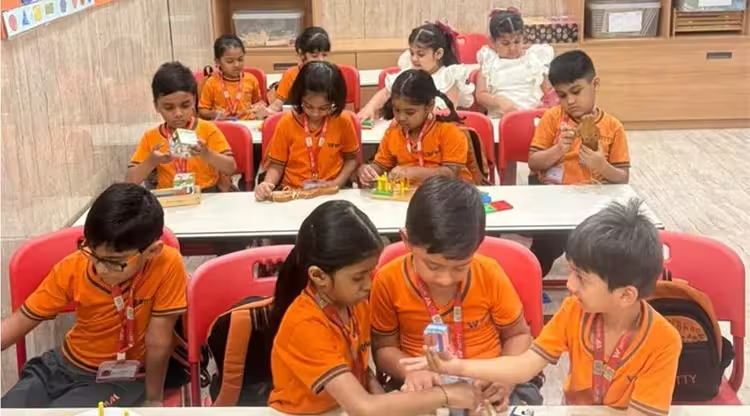
Primary education should develop the whole child. Sport supports fitness and teamwork; music, art and drama encourage expression; clubs and community initiatives can build responsibility and leadership.
Ask how frequently these activities occur, whether every child can participate and how the timetable balances them with academics. A broad programme should complement the Cambridge primary syllabus rather than operate only as an occasional event.
Parents should also examine pastoral care, counselling, health facilities, child-protection procedures and school-parent communication. Emotional and physical safety are essential for confident learning.
Global Recognition and Future Learning Pathways
Cambridge programmes are used by schools internationally, but parents should not assume that choosing Cambridge Primary automatically guarantees admission to a particular secondary school or university.
Instead, examine the pathway offered after primary school. Does the campus provide Cambridge Lower Secondary and IGCSE, or will the child need to change schools or curricula? Ask how students are prepared for that transition and which subject choices become available later.
Families exploring Cambridge curriculum schools should compare the complete pathway, not just the primary years.
Common Mistakes to Avoid
Parents should avoid:
- Choosing solely on reputation or advertising
- Failing to verify the school’s Cambridge status
- Ignoring actual class strength and teacher accessibility
- Assuming expensive technology guarantees good teaching
- Overlooking commute time, safety or pastoral care
- Skipping the campus visit
- Not investigating progression after primary school
- Comparing examination results without considering student well-being
Families comparing good schools in Mumbai should focus on school-child fit rather than treating one curriculum as universally best.
Choosing the Right Learning Environment
The best Cambridge Primary school is one that delivers the curriculum through trained teachers, purposeful assessment, responsive support and engaging learning opportunities. Parents should visit the campus, meet educators and examine how confidently students participate.
Witty offers families opportunities to explore Cambridge education and broader school pathways in Mumbai. Parents beginning their child’s journey can also learn about a preschool in Goregaon or review the nursery school admission process. Programme and grade availability should be confirmed directly with the relevant campus.
Frequently Asked Questions
What age group is Cambridge Primary designed for?
Cambridge Primary is generally intended for learners aged five to eleven, although placement depends on the school’s age criteria and academic structure.
Is Cambridge Primary suitable for Indian students?
Yes. Its flexible framework allows schools to combine international learning objectives with relevant local languages, culture and educational requirements.
How can parents assess a Cambridge school?
Verify its Cambridge status and compare teacher training, classroom practices, assessment, student support, facilities, class size and future learning pathways.
Does Cambridge Primary make relocation easier?
Its international framework may support continuity, but families must confirm grade placement, subject alignment and admission rules with the new school.
How should parents begin the admission process?
Shortlist suitable campuses, verify the offered grades, arrange visits, review eligibility and fees, and submit the required application documents within the school’s timeline.