Skip to content


How Do ICSE Schools Support Holistic Development in Children?
Choosing the right school for your child can feel overwhelming. You want more than good marks. You want your child to grow into a confident, curious, capable young person ready for tomorrow. If you have been exploring different schooling options, you have probably come across the ICSE board. Today, more parents are talking about how this curriculum supports academic strength and holistic development in students. Let’s dive deep into why that’s true and how it can benefit your child.
What Makes the ICSE Curriculum Stand Out?
Right at the start, here’s the key benefit for most parents: ICSE gives your child a broad, balanced curriculum that builds strong fundamentals for life and higher studies. Unlike education systems narrowly focused on rote learning, the ICSE approach encourages deeper understanding. This is supported by the wide range of subjects the board offers, covering humanities, sciences, arts, languages, and more.
In fact, in the 2025 ICSE Class X results, regions like the West and South recorded pass rates close to 99.8%, showing consistent academic performance across the board.
How Does Learning Happen in ICSE Classrooms?
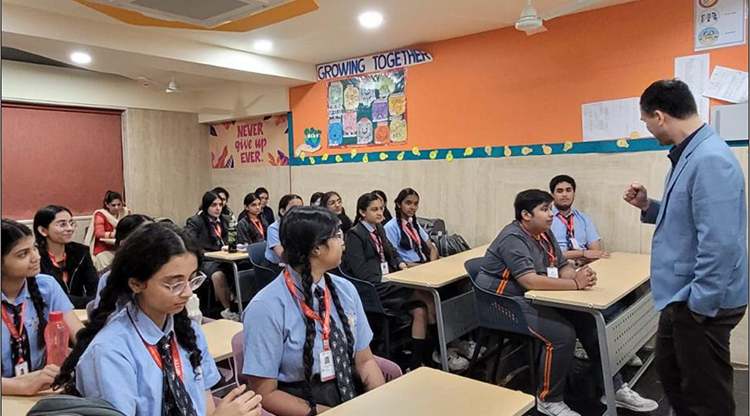
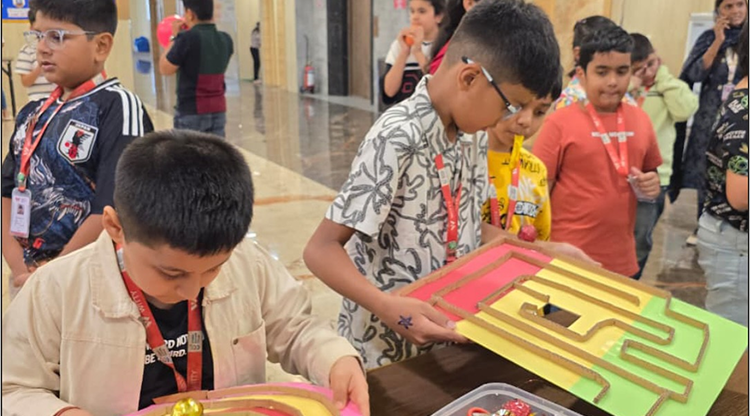
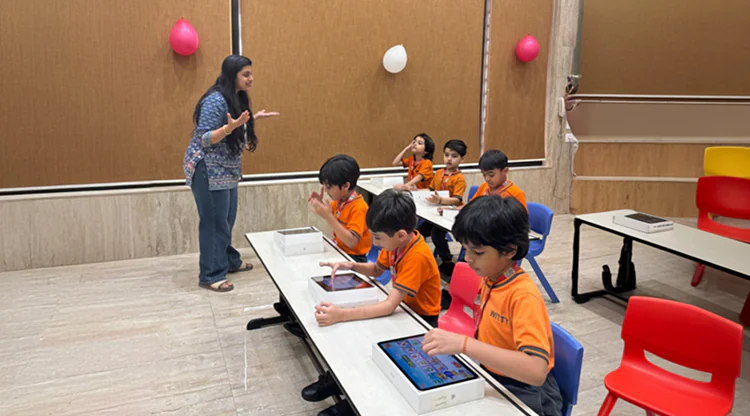
Every parent wonders how learning will actually look for their child. In ICSE schools, teachers guide students rather than just lecturing. Classrooms are spaces for discussion, questions, hands-on projects, and lively debate. Children explore ideas, test theories, and learn solutions creatively.
This style of learning helps kids build positive study habits early on. When children learn how to think and analyse, they feel more confident and less stressed during exams and assessments.
Why Daily Learning Patterns Matter?
An important part of success at school is routine. When your child follows a study routine that includes clear, regular time for learning and play, they can manage workloads better and improve retention. According to educators, daily routines reduce anxiety and help spread effort evenly across subjects.
Here are a few tips parents can try:
- Set dedicated times for homework, revision, and reading.
- Break sessions into short, focused blocks so attention stays sharp.
- Include time for physical activity and hobbies.
- Give space for reflection and self-review every day.
Good routines early now help build an effective study routine later when subjects get tougher.
What Does Holistic Development Really Mean in Schools?
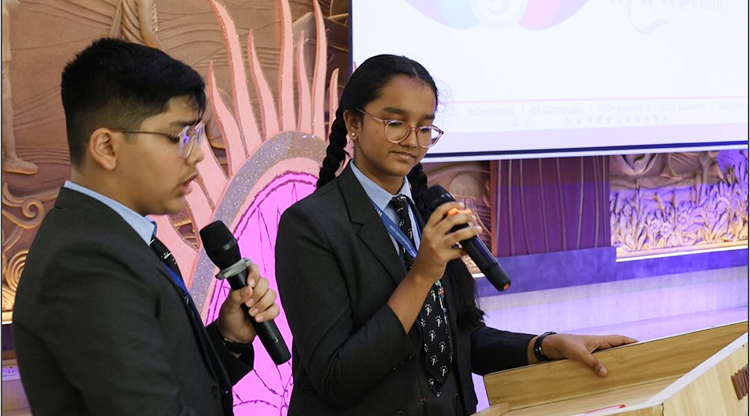
In many ICSE schools in Borivali and Kandivali, or even ICSE schools in Malad West, you’ll see this philosophy in action every day. Children are encouraged to grow beyond academics through art, music, dance, drama, and sports. These activities build soft skills like teamwork, self-expression, leadership, and resilience.
A child who can write a great essay, speak confidently on stage, and play a team sport gains balance. That balance is exactly what modern employers, universities, and overseas programmes look for.
What Parents Really Notice in School Life?
Walk into any good ICSE school, and you’ll see a buzz of creativity. Students are rehearsing for cultural events, working on science projects or simply enjoying a thoughtful group chat after class. Teachers are accessible and often check in on individual progress beyond report cards.
That’s why many parents talk about the “learning culture” when they speak about schools in Mumbai following the ICSE curriculum.
Morning assemblies mix tradition with modern thought. School festivals bring children from diverse backgrounds together. These real-life experiences shape children’s emotional intelligence just as much as their academic growth.
What Benefits Can You Expect for Your Child?
Here’s what most families see when their child studies in an ICSE school:
- Global Recognition: ICSE qualifications are widely accepted in India and abroad. This makes transitions to international universities smoother for students planning to study overseas.
- Balanced Skill Set: Your child gets space to grow in arts, sciences, languages, and sports. That breadth gives flexibility in future pathways.
- Ready for the Future: Critical thinking, discussion skills, research tasks, and projects build confidence for careers where communication and creativity matter.
How Do You Pick the Right ICSE School?
With many ICSE schools available, here’s how you can decide the best fit for your child:
- Look at the teachers: Experienced, curious teachers turn textbooks into real life lessons.
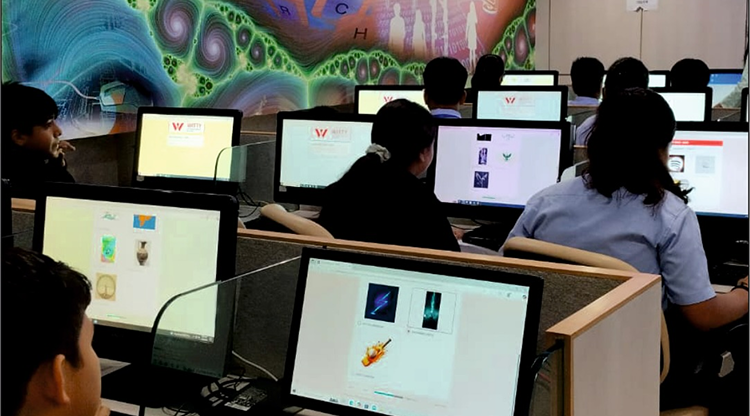
- Check facilities: Good laboratories, libraries, sports spaces and tech resources support deeper learning.
- Talk to the community: Parents whose older kids are already studying there can give honest insights.
- Understand extracurricular options: Not every school has the same range of clubs and activities, so see what fits your child’s interests.
Final Word
If you want an education journey that builds academic strength, confidence, creative thinking, and people skills all at once, the ICSE curriculum can be a strong choice. It helps children not only perform well in exams but also grow into thoughtful, adaptable adults ready for global opportunities.
Your child’s school years are precious. Choosing a path that nurtures curiosity and self-belief will make those years meaningful and empowering. Curious to see how this learning environment comes alive every day?
Visit any of our Witty School campuses to experience the classrooms, culture, and care that shape confident, future-ready learners.