Skip to content

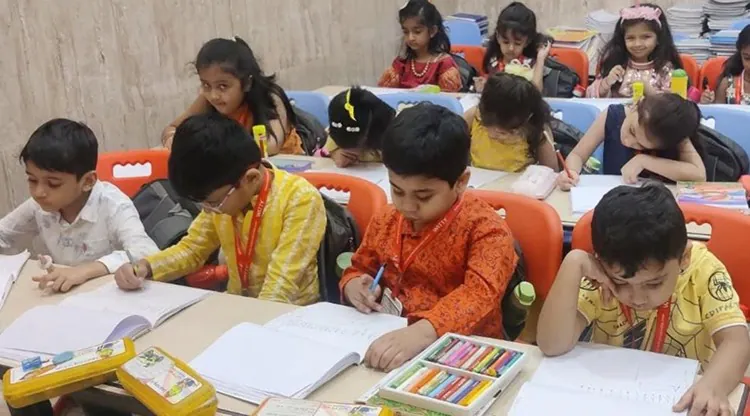
Primary education is much more than preparation for secondary school. It is the stage when children develop essential academic abilities, learning habits, confidence and independence. Their experiences during these formative years can influence how they communicate, solve problems and respond to future challenges.
Understanding the importance of primary education helps parents select a school that supports the whole child, not merely examination performance.
Key Takeaways
Primary education develops foundational literacy, numeracy, communication and problem-solving skills while supporting children’s physical, social and emotional growth. A quality primary school combines strong academics with caring teachers, experiential learning, regular feedback and opportunities in sports, arts and other co-curricular activities.
What Is Primary Education?
In India, primary education generally covers Grades 1 to 5 and follows preschool or pre-primary learning. During this stage, children build knowledge in languages, mathematics, science, environmental studies and social studies.
Its purpose extends beyond completing a syllabus. Children also learn to follow routines, ask questions, work independently, cooperate with classmates and apply knowledge to everyday situations.
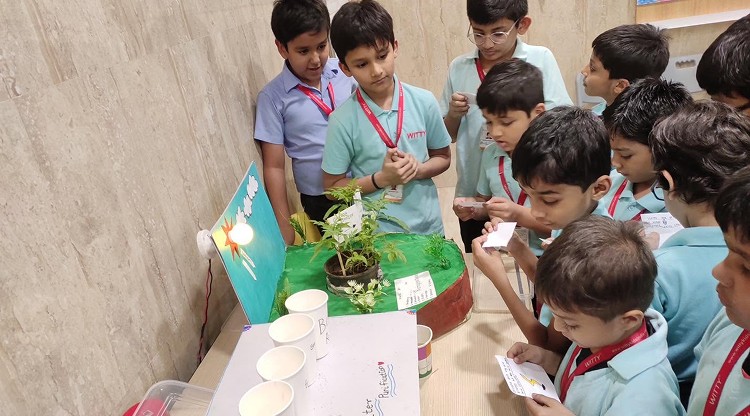
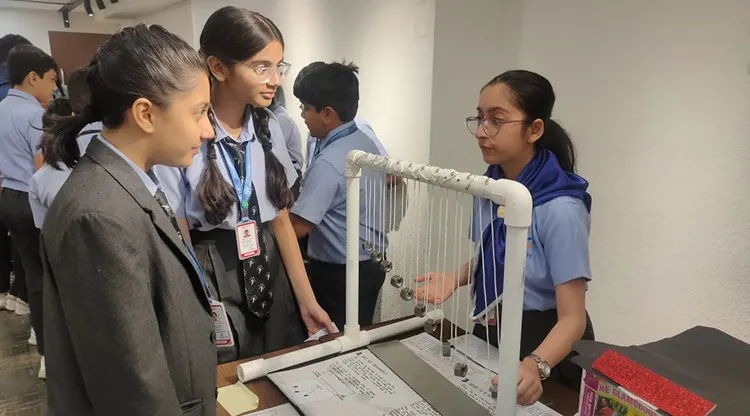
Effective teaching methods in primary schools combine clear instruction with discussion, activities, projects, experimentation and purposeful use of technology. This balance makes lessons more engaging while accommodating different ways of learning.
How Does Primary Education Build an Academic Foundation?
One of the principal benefits of primary education is the systematic development of literacy and numeracy. Children progress from recognising words and numbers to reading independently, writing organised responses and solving increasingly complex problems.
Good teachers connect new concepts with familiar experiences. Measurement can be explored through classroom objects, while science may involve observation and simple experiments.
Assessment should support learning rather than create unnecessary pressure. Classroom observation, quizzes, assignments and projects allow teachers to recognise strengths, provide constructive feedback and adjust instruction.
Role of Primary Education in Cognitive Development
Primary education strengthens attention, memory, reasoning and decision-making. Children learn to compare information, identify patterns, predict outcomes and explain how they reached an answer.
Puzzles, investigations, research tasks and project-based activities encourage learners to consider more than one solution. These experiences gradually replace dependence on memorisation with curiosity and independent thought.
Technology can reinforce learning when it serves a clear educational purpose. However, digital tools should complement reading, writing, conversation and hands-on exploration—not replace them.
Social and Emotional Development
A primary classroom is also an important social environment. Children learn to share responsibility, listen to other viewpoints, manage disagreements and work towards common goals.
Supportive teachers help learners name emotions, cope with setbacks and develop positive relationships. Feeling safe enough to make mistakes is particularly important because confidence grows when children can attempt unfamiliar tasks without fear of embarrassment.
Schools should therefore have clear measures for student well-being, child protection, bullying prevention and access to appropriate emotional or academic support.
Developing Communication and Language Skills
Children use language in every subject. Reading, storytelling, writing, presentations and classroom discussions help them understand information and communicate ideas clearly.
Strong communication also enables children to ask for assistance, resolve conflicts and participate in collaborative learning. A language-rich classroom should give every learner opportunities to listen, speak, read and write instead of focusing only on grammar exercises.
Physical Education and Extracurricular Activities
Physical education, sport, art, music, dance, theatre and clubs are essential components of balanced primary learning.
Sport can improve coordination, fitness, discipline and teamwork. Creative activities encourage imagination and self-expression, while clubs may introduce leadership, environmental awareness or community participation.
Parents should check whether these opportunities occur regularly and are accessible to every child. A long list of activities in a brochure has little value when participation is infrequent or restricted to selected performers.
How Should Parents Choose a Primary School?
Parents should examine the complete learning experience during a campus visit.
| What to evaluate | What parents should ask |
| Teaching | Are lessons activity-based and age-appropriate? |
| Faculty | How are teachers trained and supported? |
| Class size | How many students and adults are in each class? |
| Assessment | How are learning gaps identified? |
| Well-being | What academic and emotional support is available? |
| Activities | How frequently do students participate? |
| Safety | What protection and medical systems operate? |
| Communication | How are parents updated about progress? |
| Commute | How long is the journey during peak hours? |
| Fees | Which charges are additional or refundable? |
Observe whether children appear engaged and comfortable approaching their teachers. The best school should suit the child’s temperament, learning needs and daily routine.
Beginning the Learning Journey with Witty
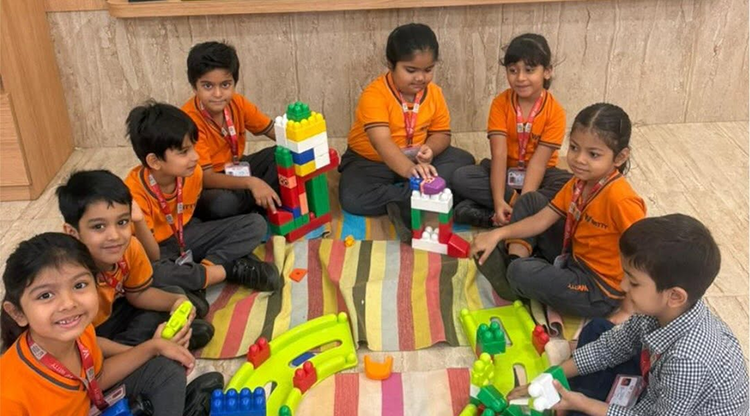
Families preparing younger children for primary school can explore Witty’s pre-primary schools in Mumbai and preschools in Malad West. These early learning pathways help children build language, independence and familiarity with structured routines before entering primary grades.
Parents can also review the admission procedure in schools and contact their preferred Witty campus to confirm current curricula, grade availability, facilities, fees and eligibility requirements.
Conclusion
The importance of primary education lies in its ability to develop the whole child. Foundational academics, communication, supportive relationships, physical activity and creative exploration prepare children for both future education and everyday life.
Parents should choose a school where their child feels safe, appropriately challenged and encouraged to participate. The right primary education does more than teach subjects—it creates confident, responsible and independent lifelong learners.
Frequently Asked Questions
Which grades are included in primary education?
Primary education in most Indian schools generally covers Grades 1 to 5, although classifications may vary between institutions.
What are the main benefits of primary education?
It develops literacy, numeracy, reasoning, communication, independence and social-emotional skills while preparing children for advanced learning.
Which teaching methods work well in primary schools?
Effective methods include direct instruction, practical activities, discussion, collaborative learning, projects and age-appropriate technology.
What should parents inspect during a school visit?
Parents should evaluate teaching, class size, safety, facilities, assessment, student support, activities, communication and the daily commute.
How can preschool support primary-school readiness?
Preschool builds communication, independence, motor abilities, social confidence and familiarity with routines, making the transition into primary education more comfortable.