Skip to content


Author Bio: Ms Rosary D’silva serves as the Pre-Primary Coordinator at Witty Kids, Malad. Following Witty’s legacy of over 15 years of experience with young learners, she brings deep insight into how children grow, learn, and thrive in their foundational years. She believes that in the digital age, well-designed home assignments are not about extra work — they are intentional moments for children to revisit concepts, build responsibility, and share their learning with family. Her approach balances technology, hands-on exploration, and timeless values to nurture confident, curious learners.
Why Schools Still Value Home Assignments in the Digital Age
Quick Answer: Schools still give homework assignments for students because they build discipline, independent thinking, time management, and concept reinforcement. These are foundational life skills that classroom instruction alone cannot fully develop, and no AI tool or digital platform can replicate the learning that happens when a student works through a problem on their own.
A student finishes an AI-generated presentation in ten minutes, and another copies answers from the internet before dinner. Everything looks done, but did real learning actually happen?
That question is exactly why schools are rethinking the purpose of homework assignments for students in today’s hyper-digital world.
In an age where information is available instantly, the role of homework is no longer just about completing worksheets or memorising textbook answers. It is about helping students think independently, manage time, apply concepts, and build discipline beyond the classroom. Research supported by NEP 2020 and CBSE guidelines emphasises that meaningful homework assignments for students remain a vital part of holistic education when designed thoughtfully and purposefully.
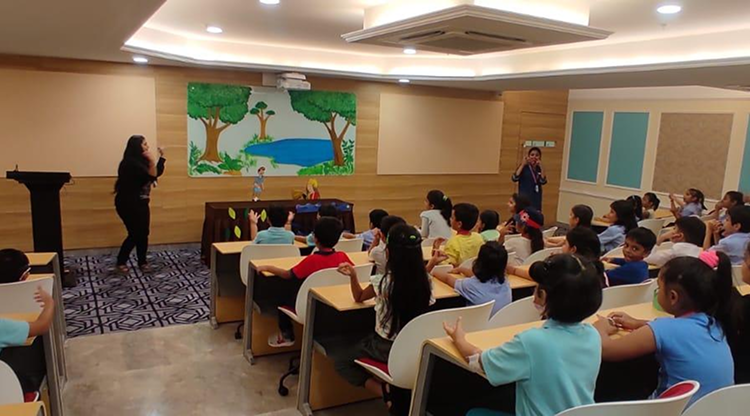
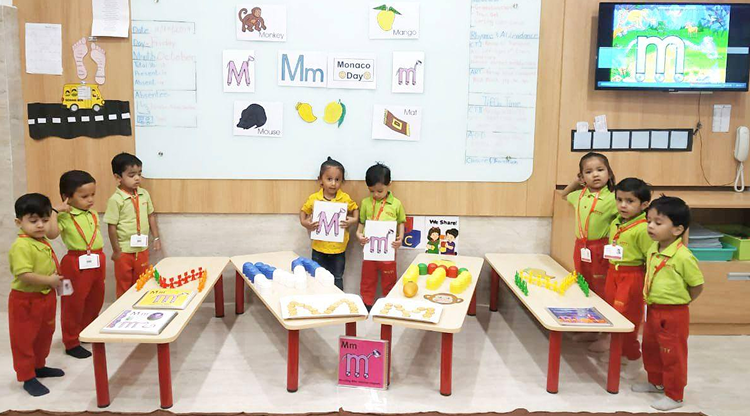
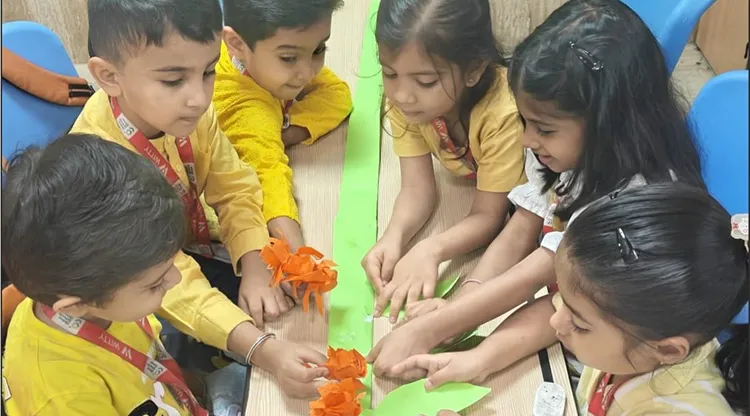
At Witty School, learning extends beyond classroom walls through inquiry-led activities, practical projects, collaborative learning, and balanced academic engagement that encourage students to think, reflect, and explore concepts independently.
What Has Changed About Homework in the Digital Age?
Traditional homework often focused heavily on repetition. Modern assignments for students are evolving into tools for deeper understanding. Instead of simply writing answers repeatedly, students are now encouraged to:
- Research and think independently
- Observe and analyse information critically
- Solve practical problems
- Collaborate and present ideas creatively
- Apply learning in real-world contexts
A study published in the Review of Educational Research found that homework has a positive effect on student achievement, particularly when it reinforces classroom concepts rather than introducing entirely new material. This closely aligns with the goals of modern Indian education frameworks including the National Education Policy 2020, which encourages competency-based and experiential learning over rote memorisation.
Why Do Schools Still Give Homework Assignments for Students?
Well-designed homework assignments for students help strengthen important life skills that classrooms alone cannot fully develop.
Skill Developed | Why It Matters |
Independent Thinking | Encourages problem-solving beyond what is taught in class |
Time Management | Builds discipline and personal responsibility |
Concept Reinforcement | Deepens understanding through application |
Self-Learning | Develops curiosity, initiative, and lifelong learning habits |
Focus and Consistency | Builds academic confidence over time |
The goal today is not more homework. The goal is smarter homework to develop creativity, communication skills, analytical thinking, and confidence. CBSE has progressively encouraged schools to move toward activity-based, project-oriented assignments that build these competencies meaningfully.
Why Are Parents Rethinking Home Education Approaches?
The rise of digital learning has also changed parenting. Many families now explore structured blended learning and personalised education methods to support children better outside school hours.
But the key difference is that technology cannot totally replace guided learning environments. Students still need:
- Mentorship from experienced educators
- Classroom interaction and peer discussion
- Emotional support and encouragement
- Collaborative learning experiences
- Structured, timely feedback
Research by the National Bureau of Economic Research has shown that students who receive structured guidance alongside digital tools perform significantly better than those relying on self-directed digital learning alone. That balance between digital learning and human guidance matters more than ever.
What Mistakes Do Students Commonly Make With Assignments?
Modern students often struggle not because the assignments for students are difficult, but because distractions are constant. Common mistakes include:
- Last-minute completion
- Copying answers online
- Multitasking during study time
- Overdependence on AI tools without understanding
- Avoiding revision and self-review
The real purpose of assignments is not just submission. It is the building of important, lasting skills.
How Can Students Make Homework Less Stressful?
Homework becomes exhausting when students treat it like punishment instead of preparation. Here are simple ways to make homework assignments for students easier and more productive:
Create a Focus-First Routine
- Keep phones away while studying
- Use short study intervals with breaks
- Start with the most challenging task first
Break Large Tasks Into Small Goals
Instead of approaching the entire assignment at once, try:
- Research the topic
- Write the introduction
- Complete the first section
- Review and edit the final assignment
Small wins reduce stress quickly and build momentum.
Use Technology Wisely
Digital learning tools should support thinking, not replace it. Helpful uses include:
- Educational videos for concept clarity
- Mind-mapping apps for planning
- Research platforms for credible information
- Collaborative tools for group work
How Do Good Schools Balance Learning and Homework?
The strongest schools today avoid overwhelming students with excessive academic pressure. Many of the best schools in Malad West now focus on balanced learning approaches that combine:
- Meaningful classroom interaction
- Conceptual understanding over memorisation
- Creative and project-based assignments
- Physical activities and emotional well-being
According to CBSE’s Academic Calendar and Curriculum Guidelines, schools are encouraged to assign homework that is purposeful, age-appropriate, and promotes higher-order thinking skills. At Witty School, one of the leading best schools in Malad West, assignments are designed to encourage curiosity, participation, and deeper understanding rather than repetitive academic overload. Students engage through:
- Inquiry-based learning projects
- Collaborative classroom discussions
- Practical exploration and hands-on tasks
This balanced approach supports both academic performance and overall student growth.
Final Thoughts
The digital age has changed how students learn, but it has not reduced the importance of thoughtful homework assignments for students. Well-designed assignments continue to build student discipline, creativity, responsibility, and independent thinking.
At Witty School, learning goes beyond textbooks through inquiry-led classrooms, balanced academic approaches, collaborative learning, and student-centred experiences that encourage confidence and curiosity naturally. The school’s approach reflects the values of NEP 2020, combining meaningful digital learning with guided human mentorship for truly holistic development.
Book a visit to Witty School Malad West to see how our balanced learning approach builds discipline, creativity, and independent thinking.
Key Takeaways
- Well-designed homework assignments for students build creativity, discipline, and independent thinking beyond the classroom.
- Modern homework focuses on application and critical thinking rather than memorisation.
- Technology supports learning best when combined with guided human mentorship.
- Balanced schools prioritise meaningful learning without overwhelming academic pressure.
- Witty School encourages curiosity through inquiry-led and collaborative learning experiences.
FAQs
Why are homework assignments for students still important today?
Homework assignments for students help build discipline, independent thinking, time management, and stronger conceptual understanding beyond classroom learning. Research and NEP 2020 both support purposeful, skill-building homework as part of holistic education.
How can students complete assignments more effectively?
Students can improve productivity by following focused routines, avoiding distractions, breaking tasks into smaller goals, and using digital learning tools responsibly to support rather than replace their thinking.
What makes modern assignments different from traditional homework?
Modern assignments for students focus more on creativity, collaboration, research, critical thinking, and real-world application rather than repetitive memorisation, aligned with CBSE and NEP 2020 guidelines.
How do the best schools in Malad West balance academics and student well-being?
Balanced schools combine meaningful homework assignments, experiential learning, collaborative activities, and emotional support without creating excessive academic pressure. Witty School, Malad West, exemplifies this approach through inquiry-based and student-centred learning.