Skip to content

Choosing a school is one of the most important decisions parents make. The right environment can strengthen a child’s academic abilities, confidence, values and interest in learning.
Parents considering the ICSE board curriculum should therefore look beyond rankings, advertisements and examination results. Teaching quality, student well-being, facilities, class size and opportunities beyond academics are equally important.
Key Takeaways
To choose the right ICSE board school, compare its teaching methodology, faculty experience, infrastructure, extracurricular opportunities, safety systems, class size, reputation and accessibility. Visit the campus, speak with educators and parents, and confirm how the school implements the ICSE curriculum in everyday teaching.
Why Choosing the Right ICSE Board School Matters
Schools following the same board can provide very different learning experiences. The curriculum establishes academic expectations, but teachers, leadership and the school environment determine how effectively those expectations are delivered.
A strong ICSE school should help children understand concepts, communicate confidently and apply knowledge. It should also support physical, creative, social and emotional development. This balanced approach aligns with India’s growing emphasis on experiential, competency-based and child-centred education.
Understanding the ICSE Curriculum
The Indian Certificate of Secondary Education examination is conducted by the Council for the Indian School Certificate Examinations. The curriculum of the ICSE board is known for detailed subject coverage, English-language learning, projects and practical application.
ICSE board subjects generally include English, a second language, mathematics, science and social studies, with additional options varying by school. Frequently cited ICSE board benefits include strong communication, analytical thinking, research skills and a broad academic foundation.
Parents should nevertheless ask how the school converts the prescribed curriculum into meaningful classroom experiences.
Factor 1: Academic Excellence and Teaching Methodology
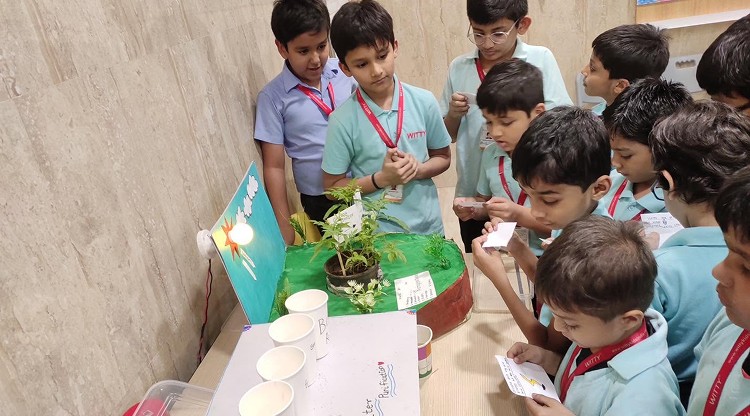
Look for a school that prioritises conceptual understanding instead of rushing through the syllabus. Effective teachers explain difficult ideas through examples, discussions, experiments and projects.
Ask how lessons accommodate different learning needs, how frequently practical activities are conducted and how assessments are used to improve learning. Academic excellence should reflect consistent progress, not examination pressure alone.
Factor 2: Qualified and Experienced Faculty
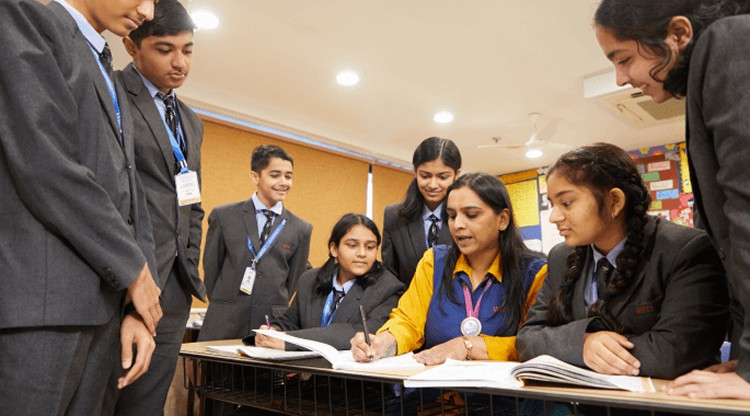
Teachers shape a child’s daily school experience more directly than infrastructure or textbooks. Enquire about their qualifications, experience and training in ICSE teaching and assessment.
A good school should also invest in continuing professional development. Observe whether educators welcome questions, communicate respectfully and provide constructive feedback. Low teacher turnover can be another indicator of a stable learning environment.
Factor 3: Infrastructure and Learning Facilities
Well-designed facilities help students experience concepts rather than only read about them. Inspect classrooms, science and computer laboratories, libraries, creative spaces and sports facilities.
Infrastructure should be functional, well maintained and used regularly. Clean washrooms, adequate ventilation, accessible drinking water and reliable medical support are just as important as advanced technology.
Factor 4: Holistic Development and Extracurricular Activities
Children need opportunities to discover interests and develop abilities beyond conventional subjects. Sports, visual arts, music, theatre, debate, clubs and community activities can strengthen creativity, teamwork and leadership.
Ask whether these opportunities are available to every student or only selected performers. The timetable should provide a genuine balance between academics and extracurricular participation.
Factor 5: Student Safety, Well-Being and Support
Safety should be visible in the school’s everyday processes. Parents should enquire about secure entry, visitor management, CCTV coverage, staff verification, transport supervision, emergency procedures and child-protection policies.
Emotional safety matters equally. Determine how the school prevents bullying, handles concerns and supports students experiencing academic, social or emotional difficulties. Counsellors, medical personnel and approachable educators contribute to a supportive environment.
Factor 6: Class Size and Individual Attention
Class size affects participation, feedback and the teacher’s ability to recognise learning gaps. Rather than relying only on an advertised student-teacher ratio, ask about the average number of students and adults in an actual classroom.
Observe whether teachers know students individually, track their progress and provide additional support when required. Personalised attention does not mean constant one-to-one instruction; it means ensuring that no learner remains unnoticed.
Factor 7: Reputation, Reviews and Academic Results
Examination results can indicate academic consistency, but they should be considered alongside student progress, teaching practices and well-being.
Read recent parent reviews and speak with families whose children currently attend the school. Ask about communication, staff stability, responsiveness and how concerns are resolved. Awards and rankings are useful only when their source, criteria and year can be verified.
Factor 8: Location, Transport and Admission Process
A long commute can reduce the time children have for rest, play and family. Compare the journey during regular traffic before making a decision.
If transport is offered, ask about GPS tracking, attendants, driver verification, route duration and emergency procedures. The admission process should clearly explain eligibility, documents, fees, timelines and refund conditions without hidden requirements.
Quick ICSE School Comparison Checklist
| Compare | Ask the school |
| Teaching | How are concepts and projects taught? |
| Faculty | How often do teachers receive training? |
| Class size | What is the actual classroom strength? |
| Facilities | Can families inspect learning spaces? |
| Safety | Which protection and support systems operate? |
| Activities | What can every student participate in? |
| Communication | How frequently are progress updates shared? |
| Outcomes | What do recent, verifiable results show? |
Making an Informed Choice with Witty
Choosing an ICSE school requires comparing the curriculum, campus culture and support available to each child. Families can explore Witty’s ICSE schools in Mumbai and learn more about the best ICSE schools in Borivali.
Parents comparing the best international schools in Mumbai can review Witty’s campuses, educational pathways and admission information. Families in Rajasthan may similarly explore its best schools of Udaipur.
Before applying, visit the relevant campus, meet its educators and verify current programmes, facilities and admission requirements. The best choice is ultimately the school where your child can feel safe, understood, appropriately challenged and motivated to learn.