Skip to content

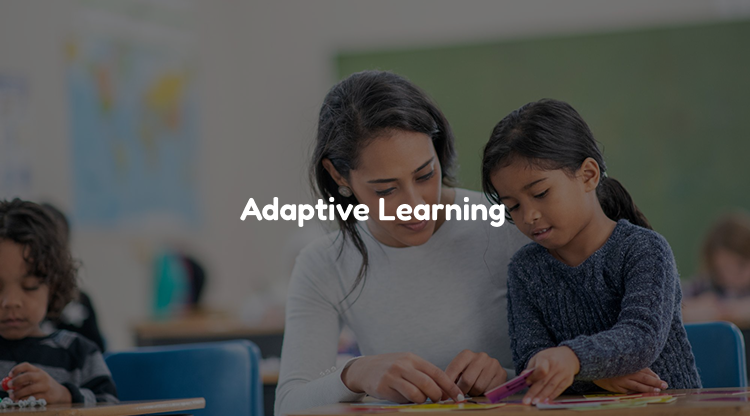
Every student’s path through a lesson is different. Some sprint; others need a steadier pace. Adaptive learning leverages data and smart algorithms to meet each child exactly where they are—adjusting content, feedback, and challenge level in real time. Instead of one-size-fits-all instruction, it creates a personalised route through the curriculum, helping quick graspers move ahead while giving strugglers targeted support before small gaps become big obstacles. The result isn’t just higher test scores; it’s stronger confidence, greater engagement, and more time for teachers to do what they do best: teach. Here’s what adaptive learning really is—and why forward-thinking schools are making it a core part of everyday classroom practice.
What is adaptive learning?
Adaptive learning is an educational approach that uses technology to personalise the learning experience for each student. Instead of offering a one-size-fits-all lesson plan, adaptive learning systems analyse a child’s performance and adjust the content, pace, and level of difficulty accordingly. This makes learning not just efficient but deeply engaging and meaningful.
Adaptive learning is a philosophy that respects individuality in learning. By tailoring lessons to suit every child’s pace and potential, schools nurture not only smarter students but also more confident, curious minds.
For example, when a student struggles with fractions, an adaptive learning platform automatically provides additional exercises and visual aids until the concept is mastered. Conversely, if a student excels, it challenges them with higher-level questions to keep their curiosity alive.
If you’re looking for kindergarten admission, choosing a school that values adaptive learning means selecting a place where your child’s unique potential will be recognised and nurtured.
Benefits of Adaptive Learning
Adaptive learning transforms the very experience of education. Here are some of the key benefits of adaptive learning for children:
1. Personalised Learning Paths
Every child learns differently, and adaptive systems respect that. By collecting data on how each student interacts with lessons, the platform creates customised learning paths. This ensures that no student feels left behind or held back.
2. Improved Engagement and Motivation
Children are more likely to stay engaged when lessons match their level of understanding. Adaptive learning introduces challenges at just the right time, keeping students motivated rather than frustrated or bored.
3. Real-Time Feedback for Teachers
Teachers gain valuable insights into how students learn. Adaptive platforms track patterns and highlight areas where intervention is needed. This enables educators to offer targeted support rather than generic feedback.
4. Better Academic Outcomes
Because it meets students at their own learning pace, adaptive learning improves comprehension and retention. Studies have shown that students using adaptive systems often demonstrate higher performance levels in both assessments and real-world applications.
5. Builds Confidence and Independence
As students see themselves progressing, their confidence grows. Adaptive learning encourages self-directed learning, a crucial skill for lifelong success.
Types of Adaptive Learning
There are several types of adaptive learning models schools can employ, depending on their goals and infrastructure:
1. Rule-Based Adaptive Systems
These systems follow predefined rules set by educators. For instance, if a student answers two questions incorrectly, the system automatically assigns a remedial exercise.
2. Machine Learning-Based Adaptive Systems
Using artificial intelligence, these platforms analyse large sets of student data to identify patterns and predict the best learning path. Over time, the system becomes smarter and more precise.
3. Adaptive Content Delivery
This method focuses on tailoring the presentation of learning materials. A student who learns visually might see more infographics and videos, while an auditory learner receives more audio-based explanations.
4. Assessment-Driven Adaptivity
Here, the system adjusts lessons based on real-time test results. When a student performs well in one area, the platform moves them ahead; when they struggle, it revisits the concept with simpler explanations or alternative examples.
Why Schools Should Employ Adaptive Learning?
Implementing adaptive learning in schools is not just a trend; it’s a step towards future-ready education. Here’s why every school should consider adopting this approach:
- Bridges Learning Gaps: Adaptive technology ensures that every student learns at their own speed, reducing the risk of gaps in understanding.
- Encourages Active Learning: Instead of passively receiving information, students participate and engage with content meaningfully.
- Supports Teachers, Not Replaces Them: Teachers gain more time to focus on emotional and creative aspects of learning while technology handles the analytical part.
- Prepares Students for a Dynamic World: Adaptive learning nurtures critical thinking, resilience, and self-learning skills essential for tomorrow’s workforce.
When top schools in Udaipur integrate adaptive learning into their curriculum, they move closer to offering an education that’s truly individualized, inclusive, and impactful.
Adaptive Learning in Early Education
Introducing adaptive learning early, during preschool and kindergarten years, can set the foundation for lifelong curiosity and confidence. The best preschools in Borivali West are already embracing digital tools to make early education more interactive.
If you’re considering admission for kindergarten, choose a school that blends technology with personal attention. Such environments help children learn at their own pace while building essential cognitive and social skills.
The Future of Learning Is Adaptive
Data, empathy, and adaptability will drive the classroom of tomorrow. Adaptive learning combines all three, allowing teachers to teach better and students to learn smarter.
As parents, supporting schools that use adaptive learning ensures your child not only memorizes but also understands. It creates confident learners, independent thinkers, and creative problem-solvers, precisely what the future needs.


So, when choosing from the best schools in Mumbai or elsewhere, look beyond infrastructure and syllabus. Ask: Does this school understand how my child learns?
Because in the end, learning should adapt to the child, not the other way around.