Skip to content

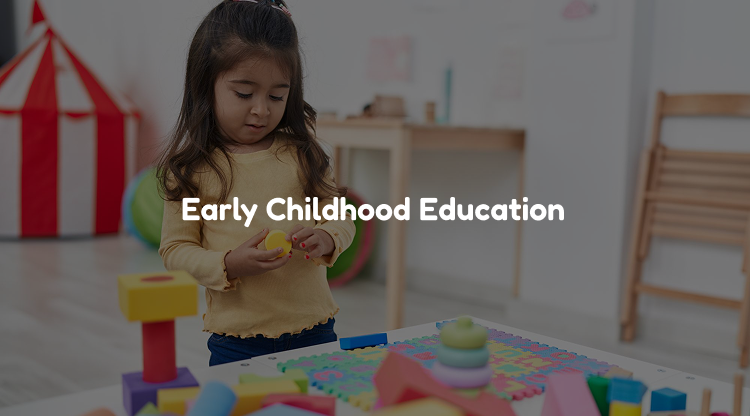
The first five years shape more than memories; they build the brain’s architecture for how children think, relate, and learn. Early Childhood Education (ECE) is the intentional, research-grounded framework that nurtures this growth—supporting language, curiosity, self-control, and social skills through play, routines, and responsive teaching. In a world evolving at breakneck speed, understanding what ECE is—and why it’s essential—helps parents choose experiences that set their child up for school readiness, lifelong learning, and well-being.
What Is Early Childhood Education?
Early Childhood Education (ECE) refers to structured learning programmes designed for children from birth to around eight years old. It’s a stage where play, exploration, and creativity come together to develop essential life skills.
ECE is much more than just counting numbers or learning the alphabet. It includes storytelling, music, art, games, and interactive activities that build a child’s confidence, curiosity, and communication abilities.
Research shows that nearly 90% of a child’s brain develops before the age of five. So, enrolling your child in a quality early childhood education program ensures they grow in a nurturing environment that encourages both learning and emotional well-being.
Why Is Early Childhood Education Important?
1. Builds a Strong Academic Foundation
ECE creates a positive relationship with learning. Through fun and engaging methods, children start recognizing letters, numbers, and sounds while developing reasoning and memory skills.
Parents looking for well-rounded programs can explore admission for kindergarten at schools that emphasize experiential and play-based learning, ensuring children build strong academic foundations while having fun.
2. Encourages Social and Emotional Growth
ECE classrooms are miniature societies where children learn teamwork, empathy, and patience. Activities like sharing, taking turns, or group play help children understand social rules and emotional balance.
Teachers guide children to express feelings, resolve conflicts, and build friendships, preparing them to thrive in primary school and beyond.
3. Develops Communication and Language Skills
Storytelling sessions, music, and everyday conversations form a big part of ECE. These help children articulate thoughts, build vocabulary, and improve listening skills. Such early exposure to language lays a strong foundation for reading and writing success later in life.
4. Sparks Curiosity and Creativity
ECE environments encourage children to ask questions, experiment, and think creatively. Activities like painting, pretend play, or nature walks turn learning into exploration.
For families exploring holistic programs, the best schools in Mumbai offer ECE curricula that nurture both imagination and inquiry, helping young learners discover the joy of asking “why.”
5. Builds Confidence and Independence
ECE fosters independence in subtle but powerful ways. From organizing their own toys to participating in class activities, children learn responsibility and decision-making early on.
These small milestones give them a sense of achievement and confidence, qualities that carry through to formal schooling and later stages of life.
The Modern Parent’s Role in Early Learning
Today’s parents play an active role in shaping their child’s early education experience. Gone are the days when learning was limited to rote memorization. Modern parents look for schools that balance academics with emotional and creative growth.
ECE programs today combine traditional values with modern teaching methods, blending storytelling, music, and technology to create meaningful learning experiences. Parents who understand why early childhood education is important can make informed choices that match their child’s personality and pace of learning.
How Schools Support Early Childhood Development?
Progressive schools are revolutionizing early learning by integrating play, discovery, and emotional intelligence into daily lessons. Whether in metro cities or smaller towns, schools are now focusing on holistic growth rather than just academic excellence.
For instance, parents in Rajasthan can explore schools in Bhilwara, Rajasthan that offer nurturing environments for preschoolers. Similarly, families in Udaipur can consider top schools in Udaipur that encourage curiosity, kindness, and early skill-building through thoughtfully designed activities.
These schools provide structured learning blended with play, helping every child learn joyfully while discovering their individuality.
The Importance of Early Childhood Education
In an age of digital distractions, early education offers balance. It gives children hands-on experiences, learning to observe, listen, question, and connect. This early exposure helps them develop focus, empathy, and resilience, skills crucial for success in the modern world.


Children who receive quality early education often show higher levels of school readiness, stronger emotional intelligence, and a lifelong love for learning. Parents who choose such programs aren’t just preparing their children for school; they’re helping them prepare for life.
A strong ECE program introduces children to the world of learning in a joyful, supportive, and structured way.
If you’re a parent seeking the right beginning for your little one, explore quality ECE programs that encourage holistic growth. The foundation you lay today will shape how your child learns, feels, and connects with the world tomorrow.