Skip to content

Key Takeaways
- Primary education builds strong academic foundations in literacy, numeracy and problem-solving.
- It supports a child’s social, emotional, physical and mental development.
- Classroom activities encourage communication, creativity, teamwork and confidence.
- Sports and play improve physical coordination, concentration and well-being.
- Primary school helps children develop independence, discipline and good study habits.
- Teachers, parents and the school environment play an important role in holistic development.
- A strong primary education prepares children for secondary school, higher education and life ahead.
Introduction To Primary School Education
The primary school years are the years of a child’s formative learning experiences. Primary education encompasses the development of thinking, questioning and relationships with the world around them. A child learns skills in the classroom that take them through life.
Primary School And Its Importance To A Child’s Growth And Development
Primary school plays an important role in a child’s academic, cognitive, social, emotional and physical development. During these formative years, children strengthen foundational skills, build relationships, become more independent and develop attitudes towards learning that can influence their progress throughout school.
Academic and Learning Skills Developed At Primary School
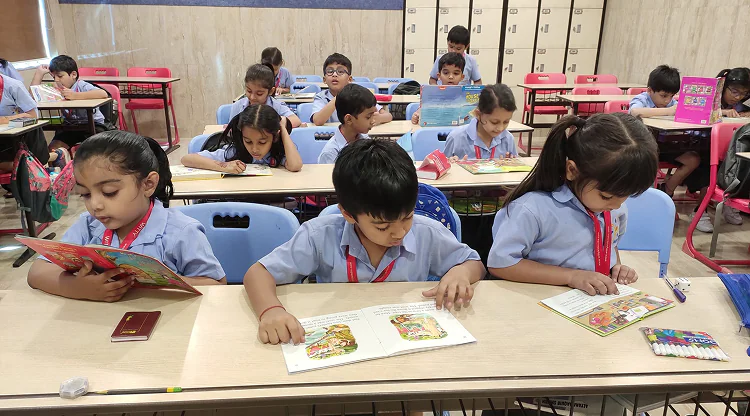
Primary education builds a child’s foundational knowledge and learning abilities. During these years, children strengthen their reading, writing and numeracy through classroom instruction, discussion, practical activities and guided practice. These skills help them understand increasingly complex concepts across subjects.
| Skill Area | What Children Learn | Why It Matters |
| Literacy | Reading, writing, vocabulary | Builds a base for all future subjects |
| Numeracy | Numbers, logic, patterns | Supports maths and problem-solving |
| Social Skills | Sharing, teamwork, respect | Builds friendships and cooperation |
| Physical Skills | Coordination, sports, play | Supports health and focus |
| Emotional Skills | Naming and managing feelings | Builds resilience and confidence |
Social And Emotional Skills Acquired In Primary Education
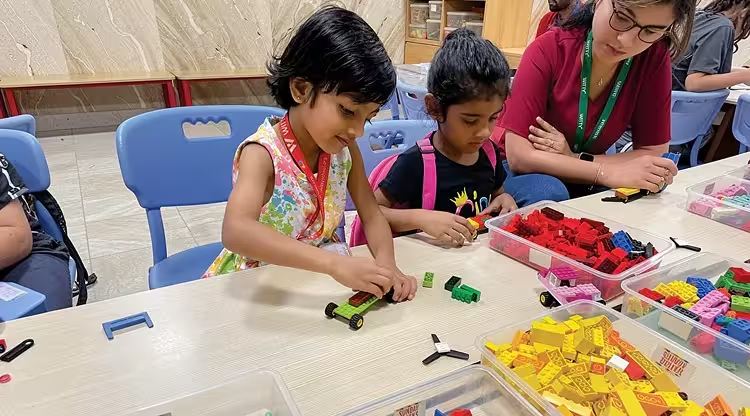
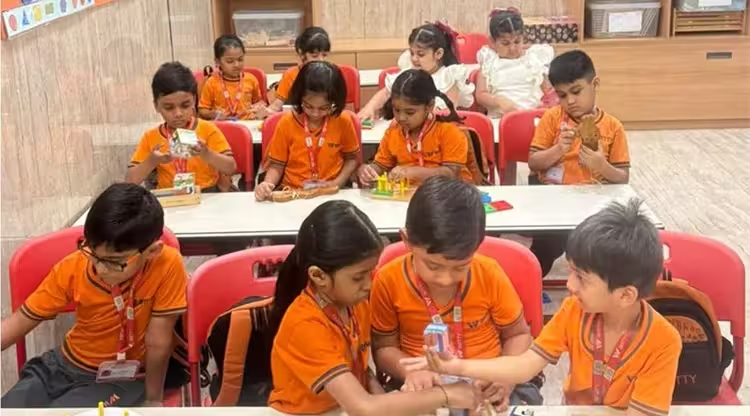
In the classroom, children learn essential social and emotional skills that serve as the foundation upon which they will build their lives both in school and socially. Interacting with their peers in group activities or by working on different projects helps them cultivate skills like cooperation and sharing.
Stimulating Communication and Creativity
It is through such activities as storytelling, putting on plays, songs, drawings, and dances that children communicate and use creativity in primary education. When children are taught to talk and ask questions, they gain confidence and creativity, which are the essentials for effective communication.
How Primary School Supports Physical and Cognitive Development
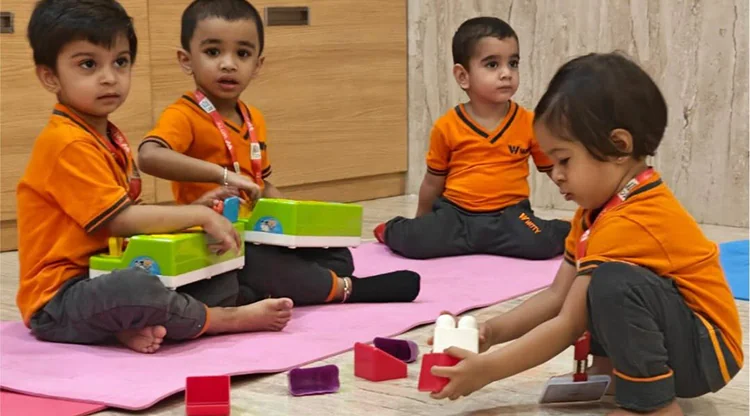
Sports, games and movement help children develop strength, balance, coordination and healthy habits. Regular physical activity may also support concentration, classroom participation and emotional well-being. Team activities provide additional opportunities to practise cooperation, resilience, communication and respect for others.
Developing Confidence, Independence, and Problem-Solving Skills
Children develop independence when they are given age-appropriate responsibilities, such as organising their belongings, completing tasks and making simple choices. Teachers can strengthen problem-solving skills by asking guiding questions instead of immediately providing answers. These experiences help children become more confident, responsible and willing to try again after setbacks.
Instilling Good Study Habits And Moral Values
Through the promotion of good study habits such as reading and proper time management, children can develop good morals and character. For instance, being attentive to instructions instils discipline in children. In addition, children can also learn valuable moral values such as honesty, respect, kindness, and compassion from their teachers and parents.
Preparing Students For Higher Levels Of Learning And A Successful Life Ahead
The foundation of a person’s education is formed in primary school. Primary education has an important role in shaping the future of students since it provides them with skills and knowledge necessary for their studies at a higher educational establishment.
Students who gain a complete education during their primary schooling get ready for all challenges arising ahead of them in secondary and higher schools. This can be explained by the fact that students learn all academic, social, and emotional skills within the period of primary schooling.
The Role Of Teachers, Parents, And The School Environment
Teachers support children through clear instruction, constructive feedback and attention to individual learning needs. Parents reinforce learning through reading, conversation, routines and regular communication with the school. A safe and inclusive school environment brings these efforts together, helping children feel secure enough to ask questions, make mistakes and participate confidently.
Conclusion
Primary education lays the foundation for a child’s academic progress, confidence, independence and overall development. At Witty International School, learning extends beyond textbooks through engaging classroom experiences, creative exploration, physical activity and opportunities to collaborate. With guidance from teachers and support from parents, children develop the knowledge, values and learning habits they need to approach secondary school—and life—with confidence and curiosity.
FAQs
Why is it important for children to receive primary education?
Primary education is crucial to children, as it lays the groundwork for the attainment of fundamental skills in academics, social practices, and emotional learning.
What age group is considered to be in the primary level?
Mostly children between the ages of six and eleven are placed at the primary level.
How is holistic education different from a traditional academics-based approach?
Holistic education helps in developing the emotional, physical, social, and academic skills of children in addition to nurturing their creativity and critical thinking abilities, whereas traditional academics-based education only concentrates on improving academic skills.
How can parents help in the overall development of their child?
Parents can help in the overall development of their child through reading, playing games, asking questions, and encouraging good studying habits.