Skip to content


How To Help Your Child Build Daily Study Focus the Right Way
If you’re wondering, “How can I help my child focus while studying every day?” You’re not alone. Most children today are trying to concentrate in homes buzzing with TVs, smartphones, gaming devices, and constant notifications—so losing focus after just a few minutes is completely normal.
The encouraging part? The study focus isn’t something your child either has or doesn’t have. It’s a skill. With the right environment, simple routines, and realistic expectations, your child can learn to concentrate better, practise it daily, and slowly turn focus into a natural habit.
In this blog, you’ll discover calm, practical ways to improve your child’s concentration for daily study—whether they’re in primary school or the higher grades. You’ll see how to:
- Set up a distraction-light study space at home
- Use short, structured study blocks that match your child’s attention span
- Build predictable routines that make “study time” feel easy and automatic
By the end, you’ll have a clear, parent-friendly plan to help your child stay on task—day after day—without power struggles or overwhelm.
Why focus matters
Strong focus helps your child understand concepts faster and remember them for longer. Research from the American Psychological Association shows that children concentrate better when they work in short, structured intervals because the brain processes information in small chunks. Another study from the University of Cambridge found that regular routines at home, such as fixed study timings and predictable daily habits, improve a child’s attention span and self-control over time.
For parents, this means simple steps at home can build lasting concentration skills. When your child learns to manage attention early, it supports better performance in school and builds confidence in everyday learning.
Set the stage: Daily habits that support focus
Here are key habits you can guide your child through so they adopt the best way to focus on studies:
- Fixed study time each day: Choose a study slot that works for your child’s energy levels. Some children prefer studying soon after a short rest from school. Others focus better in the early evening. When the timing stays the same every day, the brain begins to expect it. This reduces resistance and helps your child settle into study mode naturally.
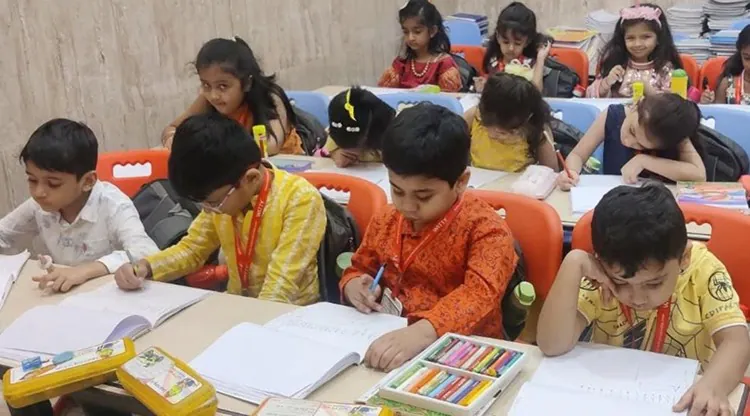
- Dedicated study space: Create a small, tidy corner of the house for studying. It does not need to be fancy. A clean table, a comfortable chair, and good lighting are enough. Keep the phone away and place a bottle of water nearby. When your child uses the same spot every day, the mind slowly learns to associate that space with learning. Even a quiet corner near a window can work well in Indian homes.
- Short study bursts with breaks: Younger children focus better in short intervals. Twenty to twenty-five minutes of study followed by a small break keeps the brain fresh. These breaks can be for stretching, drinking water, or walking around the room. This method prevents boredom and improves attention because the mind works in cycles. It is one of the best ways to focus on studies for most children.
- Physical movement before study: Add a few minutes of movement before studying. Your child can skip, dance, or do a quick warm-up. Movement boosts blood flow and helps release extra energy. Many Indian children spend long hours sitting at school, so this small activity prepares the body and mind to focus better at home.
- Mindful start: Ask your child to close their eyes and take three slow breaths before studying. This simple routine helps calm the mind and signals that it is time to learn. Parents can join the child for the first few days. Over time, your child will begin to enjoy this quiet ritual.
- Healthy body equals sharp mind: Ensure proper sleep, hydration and nutritious meals. Even slight tiredness affects concentration. Studies also show a positive link between regular breakfast and improved classroom performance. Encourage nuts, fruits and homemade snacks that keep energy steady.
- Limit gadgets and screen distractions: Switch off notifications during study time. If a device is needed for schoolwork, keep it in silent mode. Inform family members about the study slot so the home stays calmer. These boundaries protect your child’s attention.
Game-based and child-friendly strategies
Turning focus into a fun habit works better than turning it into a chore. Try these:
- Timer challenge game: Set a timer for 20 minutes: “How many questions can you finish before the timer rings?” Then reward with 5 minutes of play. Builds focus and excitement.
- Flashcard quiz warp: Create cards for younger children. Two-minute quiz with you, then swap roles. Your child asks you. Focus increases, and confidence grows.
- House-hunt for focus breaks: After a study burst, let your child stand up and run to find “the blue cushion” or “the plant near the window”. Quick movement helps refresh the mind.
- Sibling-study buddy system: If you have two children, let the older one explain a concept to the younger. Teaching builds focus and confidence. The younger child listens better because the learning feels friendly. Even cousins can join over short video calls.
- Reward small milestones, not perfection: Celebrate when your child sustains focus for a full 25 minutes. The aim is habit-building, not perfection.
- Weekend “tech-reset” ritual: On Saturday or Sunday evening, declare a 15-minute “no screens, only books/music” time. Helps the brain settle from digital overload and prepares them for the week ahead.
Conclusion
You hold the key. By creating a consistent environment, embedding short routines, and using playful strategies, you can help your child grow into someone who can focus on studying with ease. At Witty Schools, we believe in nurturing attention alongside academics and guiding your child to develop lifelong habits of learning.
If you’re ready to take the next step, explore our school, talk to our academic team, and let us partner with your family’s journey. Whether you’re comparing admission procedures in schools, searching among the best schools in Mumbai, or looking at schools in Udaipur, Rajasthan, choose Witty Schools for committed expertise and a future-ready learning experience.