Skip to content


You have probably seen your child memorising vocabulary the night before a language test. Spellings are right. Meanings are clear. But when it is time to speak, confidence drops. As a parent, this gap feels frustrating. You want your child to express ideas freely, not pause after every sentence.
The truth is simple. Languages are learnt through use. Children learn best when they listen often, speak without fear, and connect language to daily life. Memorisation has a role, but it cannot be the centre. If you are wondering how to support your child better, the approach needs a practical shift. Let’s examine what genuinely helps children learn languages more quickly and with greater confidence.
1. Encourage speaking from the very beginning.
Many children hesitate to speak because they want everything to sound perfect. This hesitation slows progress. Speaking early helps the brain connect words with real meaning and real situations. Even simple or imperfect sentences build confidence over time. When parents ask how to learn a new language, the most effective answer is to start speaking early and keep going without fear.
2. Make listening part of everyday life.
Listening builds understanding before speaking ever begins. Encourage your child to listen to stories, songs, cartoons, or short videos in the target language. This daily exposure helps children naturally absorb pronunciation, rhythm, and tone. Over time, they begin recognising familiar phrases and sentence patterns without conscious effort.
3. Focus on phrases instead of single words.
Single words rarely help children communicate confidently. Phrases do. Teaching everyday expressions gives children ready-made language they can actually use. This approach mirrors how language works in real life and reduces hesitation. Children feel more prepared when they know how words fit together.
4. Create real-life speaking situations at home.
Language becomes meaningful when it is used in context. Ask your child to describe their day, explain a favourite game, or role-play simple situations, such as ordering food or asking for help. These moments encourage thinking directly in the language instead of translating from memory.
5. Introduce grammar slowly and practically.
Grammar works best when introduced after exposure. Children understand rules better once they have heard and used the language repeatedly. This makes grammar feel logical and relevant. It also prevents confusion and keeps learning calm and manageable.
6. Build consistency with short daily practice.
Long study sessions often lead to boredom or resistance. Short daily practice works better. Fifteen to twenty minutes of focused listening, reading, or speaking keeps the language active in the brain. This habit builds momentum and is one of the most reliable tips for school-age children learning a new language.
7. Encourage reading that matches your child’s interests.
Children read more when the content excites them. Comics, short stories, simple articles, or age-appropriate books work well. Reading naturally builds vocabulary, sentence flow, and comprehension. When interest leads the process, learning feels enjoyable and sustainable rather than forced.
8. Use technology with a clear purpose.
Apps and digital tools can support learning when chosen carefully. Tools that encourage listening, speaking, and interaction are far more effective than those focused only on scores or streaks. Technology should support thinking and communication, not distract from them.
9. Treat mistakes as signs of progress.
Children often stop trying when they fear correction. Reassure your child that mistakes are part of learning. Gentle guidance builds confidence and curiosity. When children feel safe, they experiment more, retain more, and improve faster over time.
10. Stay involved in your child’s language journey.
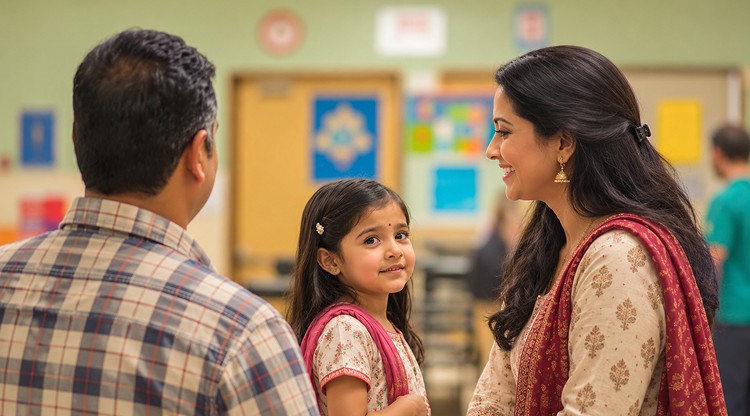
Your involvement matters more than you may realise. Simple conversations, shared videos, reading together, or asking questions in the new language motivate your child. Learning becomes a shared experience rather than a task. This emotional support plays a key role in how to learn a new language fast without pressure or frustration.
Building Confident Language Learners with the Right Support
Learning a new language is not about rushing results. It is about helping children feel comfortable expressing their thoughts, asking questions, and being understood. When children feel supported, they speak more freely and listen more carefully. This confidence grows through everyday practice, encouragement at home, and the right learning environment at school.
At Witty Schools, one of the top schools in Mumbai, language learning is designed around how children naturally absorb and use language. Classrooms encourage conversation, participation, and real-world application, helping students communicate with clarity and confidence. For parents considering school admissions in Mumbai and schools in Goregaon East, choosing a school that understands real language development can shape how confidently a child communicates for years to come.
If you want your child to grow into a confident communicator, the right learning environment makes all the difference. Explore how Witty Schools nurtures language skills through everyday learning, conversation, and curiosity.