Skip to content

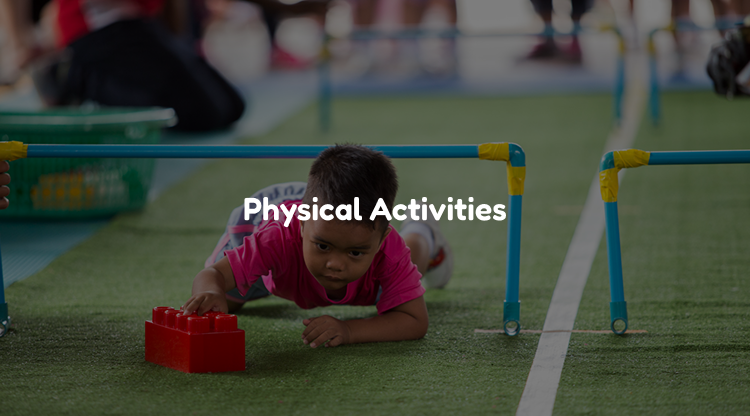
Young children naturally love to run, jump, climb and dance. This movement is not simply a way to use their energy—it is essential to how they learn and develop. Regular physical activities for preschoolers strengthen muscles, improve coordination, support brain development and build confidence.
Active play does not always require specialist equipment or formal sports coaching. Everyday activities such as throwing a ball, balancing, hopping and playing outdoors can make a meaningful difference to a child’s development.
Key Takeaways
Physical activities for preschoolers support gross and fine motor skills, coordination, cognitive development, emotional well-being and social confidence. Children aged three to four should remain physically active throughout the day through energetic play, movement games and outdoor exploration. Activities should be enjoyable, age-appropriate, varied and supervised rather than focused on competition or performance.
Why Is Physical Activity Important in Early Childhood?
The preschool years are a period of rapid physical and neurological development. Movement gives children opportunities to understand their bodies, explore their surroundings and practise increasingly complex skills.
According to the World Health Organization, children aged three to four should spend at least 180 minutes in different types of physical activity each day. At least 60 minutes should involve moderate-to-vigorous activity, spread throughout the day.
These recommendations do not mean children must complete three hours of organised exercise. Walking, dancing, playground games, active storytelling and free outdoor play can all contribute to daily movement.
Which Preschool Development Milestones Does Movement Support?
Physical play supports several areas of preschool development simultaneously:
| Development area | Activities that support it |
| Gross motor skills | Running, climbing, jumping and balancing |
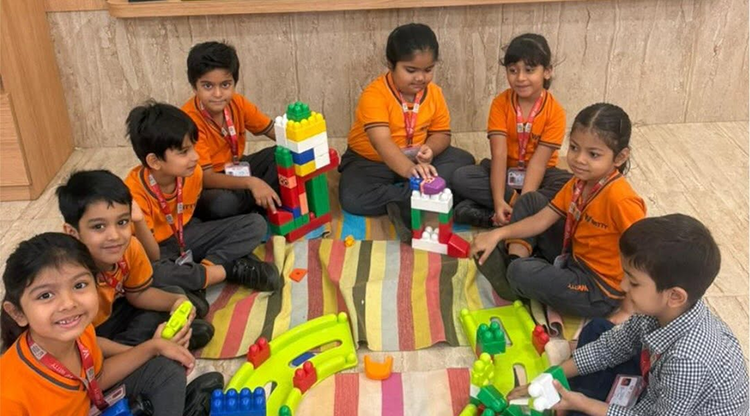
| Fine motor skills | Building blocks, threading and catching |
| Cognitive skills | Obstacle courses and action games |
| Social skills | Team activities and cooperative play |
| Emotional skills | Dance, yoga and imaginative movement |
Children reach milestones at different rates. The purpose of physical activity is to create regular opportunities for progress, not to compare one child’s abilities with another’s.
Benefits of Physical Activities for Preschoolers
Consistent movement can help young children develop:
- Stronger muscles and bones
- Better balance, posture and coordination
- Improved cardiovascular fitness
- Greater body and spatial awareness
- Better sleep and energy regulation
- Confidence in attempting new activities
- Cooperation and turn-taking skills
- Healthy habits that can continue into later childhood
Active play can also provide a constructive outlet for emotions. Running, dancing or stretching may help children release tension and return to quieter activities with better focus.
How Does Active Play Support Cognitive Development?
Physical movement and learning are closely connected. Many activities require children to remember instructions, make decisions, estimate distances and adjust their actions.
An obstacle course, for example, asks a child to plan a route and follow a sequence. “Simon Says” develops listening and impulse control, while dance-and-freeze games require attention and quick responses. Counting jumps combines early numeracy with coordination.
Physical activity therefore complements classroom learning. It allows children to practise memory, concentration and problem-solving through engaging experiences rather than worksheets alone.
Fun Physical Activities for Preschool Children
The best activities are simple enough to repeat and flexible enough to suit different abilities.
Indoor activities
- Animal walks, such as hopping like a rabbit
- Dance-and-freeze games
- Balloon volleyball
- Child-friendly yoga and stretching
- Cushion or tape-line obstacle courses
- Action rhymes and movement stories
Outdoor activities
- Running and chasing games
- Hopscotch
- Ball throwing, rolling and kicking
- Cycling or riding a balance bike
- Nature walks and treasure hunts
- Sand, water and playground activities
Parents and teachers can rotate activities to maintain interest. Children should also receive unstructured time to invent games and explore movement independently.
How Can Adults Make Physical Play Safe?
Safety begins with selecting activities suitable for the child’s age, abilities and environment. Adults should inspect play areas, remove obvious hazards and supervise activities involving climbing, water or moving equipment.
Children need comfortable clothing, suitable footwear, drinking water and breaks when tired. Outdoor activity should also be adjusted for heat, rain and air quality.
Encouragement is more effective than pressure. Adults should praise participation, effort and improvement instead of focusing only on speed or winning. This approach helps children associate movement with enjoyment and confidence.
Common Mistakes to Avoid
Even well-intentioned routines can reduce children’s enjoyment of movement. Parents and educators should avoid:
- Comparing one child’s physical abilities with another’s
- Filling the entire day with structured classes
- Treating every activity as a competition
- Expecting preschoolers to remain inactive for long periods
- Allowing screens to replace sleep, conversation and active play
- Ignoring rest or signs of discomfort
- Choosing activities that are too difficult for the child’s stage
A balanced routine should include energetic activity, guided games, free play and adequate rest.
How Witty Makes Movement Part of Early Learning
At Witty, movement is incorporated into joyful, child-centred learning experiences that support physical, cognitive and social-emotional development. Children receive opportunities to explore, play and develop confidence in environments designed for young learners.
Families searching for a nurturing early-years programme can explore the preschool in Malad West, Witty Kids Borivali West or Witty Kids Goregaon East. Facilities and programmes vary by campus, so parents should arrange a visit and ask how indoor movement, outdoor play and physical development are included in the daily routine.
Conclusion
Physical activities for preschoolers are essential to healthy growth and early learning. Running, jumping, balancing, dancing and playing with others develop much more than physical fitness—they strengthen attention, confidence, communication and problem-solving.
By providing varied activities, safe spaces and freedom to explore, parents and schools can make movement an enjoyable part of every day. The goal is not to produce the fastest or most athletic child, but to help every child become active, capable and confident.