Skip to content

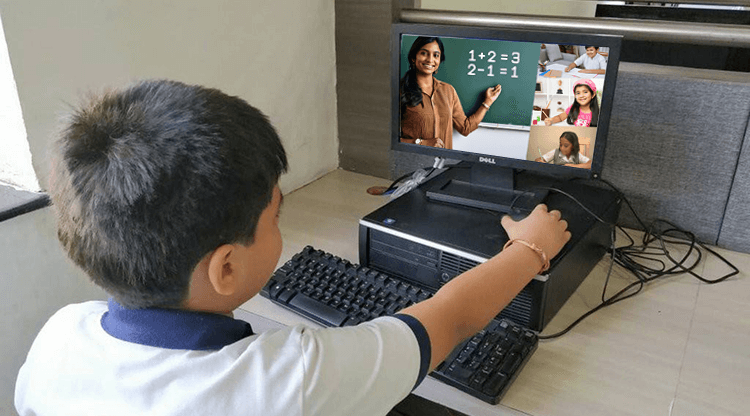
In recent years, the world of education has witnessed a tremendous transformation. The emergence and growth of e-learning, also known as web-based training or electronic learning, have made quality education accessible to students and professionals across India, from Mumbai’s bustling suburbs to the quieter corners of Rajasthan. The flexibility and dynamism of e-learning are reshaping how students, parents, and teachers approach learning in the 21st century.
According to a survey by McKinsey & Company, 65% of higher education students from 17 countries, including India, wish for schools to retain aspects of online learning even after the pandemic era. This strong desire for continued digital engagement underscores the increasing importance of e-learning in our daily lives.
What is E-Learning?
E-learning refers to instruction delivered over the internet or through a corporate intranet, allowing learners to access content anytime and from anywhere. Unlike traditional classroom learning, e-learning does not require physical presence, making it especially useful for students in remote locations or those with busy schedules. It provides a structured yet flexible learning experience using a combination of static materials (such as learning portals, hyperlinked pages, and streamed video) and interactive tools (like discussion forums, chats, and online video conferencing).
In India, where diverse learning needs and linguistic backgrounds exist, e-learning offers an adaptable approach that caters to a broad spectrum of students, from those in metropolitan cities to learners in tier-2 and tier-3 towns.
Exploring the Types of E-Learning
The evolution of technology has led to the development of various types of e-learning to suit different learning styles and requirements. Broadly, e-learning can be divided into two primary models: synchronous and asynchronous.
| Type of E-Learning | Description | Key Examples |
| Synchronous | Real-time, instructor-led sessions where learners participate at the same time | Live virtual classrooms, scheduled webinars, online tests, and interactive whiteboards |
| Asynchronous | Self-directed, self-paced learning without the need for simultaneous participation | Discussion boards, recorded lectures, self-paced online courses |
Synchronous e-learning requires students to be present (virtually) at a specific time, similar to a traditional classroom, but conducted online. This model is ideal for interactive sessions, doubt clearing, and collaborative activities.
On the other hand, asynchronous e-learning allows learners to engage with content at their own pace, making it suitable for students who need flexibility due to personal or academic commitments.
Most schools in Malad, Mumbai, and colleges use a blend of these two models, ensuring that students can benefit from both real-time interaction and flexible self-learning options.
Why is E-Learning Important Today?
The importance of e-learning in India cannot be overstated. As technology rapidly evolves, the need for continuous upskilling has become crucial. Online learning platforms have made it possible for anyone to pursue their dreams, regardless of geographical barriers or time constraints.
In the Indian context, parents face unique challenges such as frequent relocations due to work, limited access to quality schools in semi-urban areas, and the need for supplementary learning to keep up with competitive exams. E-learning bridges these gaps by providing access to world-class resources, experienced educators, and interactive content – all from the comfort of home.
Moreover, with the widespread use of smartphones and improved internet penetration, even students in rural areas can now participate in web-based training and skill development programmes, ensuring that no child is left behind.
Advantages of E-Learning at Witty
At Witty Schools, we believe in harnessing the potential of e-learning to create a vibrant learning environment for our students. Here are some advantages of e-learning we offer:
| Advantage | Description |
| On-demand availability | Students can access learning materials whenever required, making it easy to balance studies and hobbies |
| Cost efficiency | Eliminates the expenses associated with travel, physical infrastructure, and printed materials |
| Flexibility | Enables students to learn at their own pace and revise difficult concepts as many times as needed |
| Personalisation | Learning paths can be tailored to individual strengths, interests, and learning speeds |
| Multimedia engagement | Use of videos, infographics, and interactive quizzes makes learning more engaging and fun |
| Data-driven feedback | Teachers can monitor student progress and provide timely support and interventions |
| Collaboration | Virtual classrooms and discussion forums encourage teamwork and peer learning |
| Accessibility | Removes geographical barriers, making quality education available to all, including in rural areas |
At Witty, our students benefit from carefully designed blended learning experiences, combining the best of both online and offline methods. For example, a student in Rajasthan can join a live science class, participate in a group discussion with classmates from Mumbai, and later revise the lesson using recorded videos and quizzes.

E-Learning Platforms: What Do Indian Parents Need to Know?
With the popularity of e-learning growing, a variety of platforms have emerged. Parents in India often ask: Which platform is best for my child? The answer depends on your child’s learning style and academic goals. Some popular options include:
- Learning Management Systems (LMS): These platforms, such as Moodle, Canvas, and Schoology, are widely used in Indian schools for managing assignments, tracking progress, and providing resources.
- MOOCs: Platforms like Coursera, edX, and Udemy offer a vast range of self-paced courses that can supplement school education.
- Mobile apps: With the rise of EdTech in India, apps like BYJU’S and Vedantu have become household names, offering interactive lessons, quizzes, and live tutoring.
While selecting the best e-learning platforms, parents should ensure it is mobile-friendly, incorporate social features, and support personalised learning.
Cultural Relevance and the Indian Context
E-learning is not just about technology; it is about making education relevant and accessible to Indian families. At Witty, we understand the aspirations and challenges of parents in India. Busy parents in Mumbai appreciate the flexibility of revising lessons after work hours, while students in remote villages of Rajasthan value the opportunity to learn from top educators without leaving their hometowns.
We also recognise the importance of regional languages and cultural context. Many e-learning programmes at Witty are available in multiple languages and include content that reflects Indian traditions, festivals, and values. This ensures that learning is not only effective but also relatable for every child.
Limitations and Addressing Concerns
While it offers numerous benefits, it is important to acknowledge some challenges of e-learning. Not all students may have reliable internet access, and long hours on screens can sometimes lead to fatigue. At Witty, we encourage a balanced approach by integrating offline activities and regular breaks, ensuring the overall well-being of our students.
For parents concerned about excessive screen time, we recommend setting daily limits and encouraging children to participate in outdoor and creative activities. In addition, our teachers are trained to provide support for students who may face difficulties, ensuring that no one falls behind.

The Way Forward
As India moves towards a digitally empowered future, e-learning will continue to play a vital role in shaping the next generation. Whether your child dreams of becoming a scientist, an artist, or an entrepreneur, e-learning provides the foundation for acquiring the skills and knowledge needed to succeed in a global world.
If you’re searching for the best schools in Mumbai or schools in Bhilwara, Rajasthan, Witty Schools is here for you. Want to know more? Connect with us to explore our digital classrooms, book a virtual tour, or start your child’s journey with us today!