Skip to content


The Hidden Power of Extracurricular Activities in Education
If you are a parent, you have probably asked yourself this question at least once. Should my child spend more time studying, or should I let them play, perform, compete, or create? The honest answer is that the right extracurricular exposure strengthens academics rather than detracts from them. When planned well, these activities quietly shape confidence, discipline, and real-world skills that textbooks alone cannot teach.
What are extracurricular activities, really?
What are extra-curricular activities from a parent’s point of view? They are structured learning experiences that sit outside the core syllabus but work alongside it. Think sports, performing arts, visual arts, robotics, coding, public speaking, music, community service, and leadership clubs.
These activities should be designed as age-appropriate programmes that support academic learning, social growth, and emotional balance. For younger children, this may look like movement-based learning, art exploration, or rhythm and music sessions. For older students, it becomes more skill-driven with debate, STEM clubs, competitive sports, theatre, and global exposure through Cambridge-aligned activities.
Why do extracurricular activities matter so much?
Most parents value results, discipline, and future readiness. That is understandable. What is changing is the definition of success. Universities and employers now look beyond marksheets. They look for communication, adaptability, leadership, and problem-solving.
Extracurricular engagement builds these skills early, without pressure. For example:
- A child who plays team sports learns cooperation, accountability, and emotional control.
- A student involved in drama or music develops confidence, memory, and expression.
- Participation in coding or robotics builds logical thinking and comfort with technology.
These are practical life skills. They translate directly into classroom performance and future careers.
How do extracurricular activities support academic performance?
This is where many parents need clarity. Activities do not dilute academics when they are structured well.
- Physical activity improves concentration and stamina, helping children sit through longer study sessions.
- Creative subjects activate different parts of the brain, improving retention and understanding.
- Clubs that involve planning, presentations, or competitions sharpen time management and goal setting.
This is one of the strongest benefits of extracurricular activities. Children learn how to balance commitments early, rather than feeling overwhelmed later in senior grades.
What happens when children are encouraged, not forced?
Indian children often carry silent pressure. Marks. Expectations. Comparisons. Extracurricular spaces give them room to breathe and discover who they are.
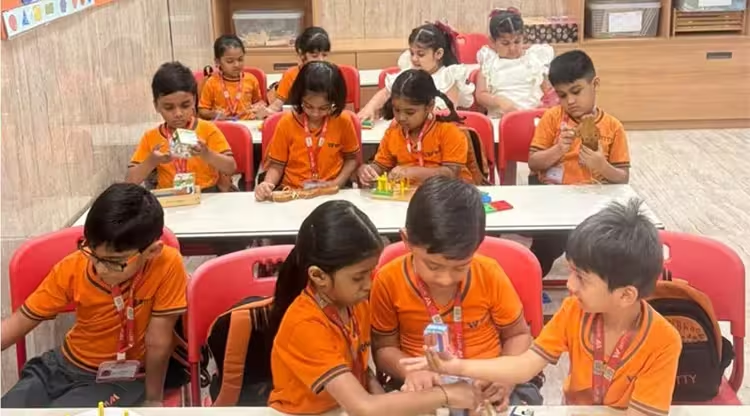
At Witty, teachers observe that students who actively participate in activities are more open in classrooms. They ask questions. They take initiative. They recover faster from failure.
This emotional resilience matters deeply, especially in today’s high-speed, screen-heavy world. Children need spaces where effort matters, not perfection.
How Witty Schools integrates extracurricular learning meaningfully
This is where institutional intent makes a difference. At Witty Schools, extracurricular programmes are aligned with developmental stages and curriculum goals.
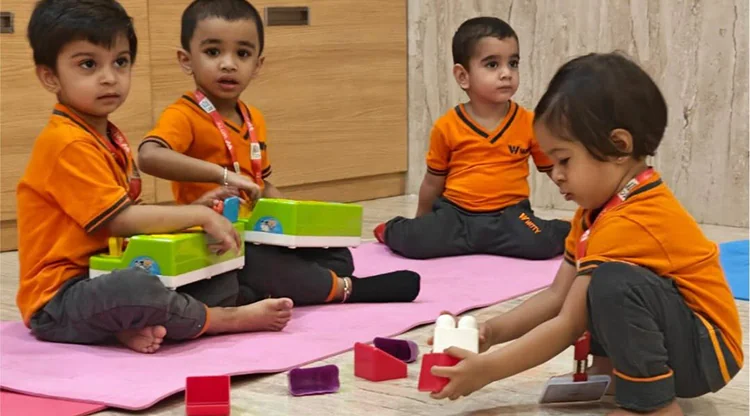
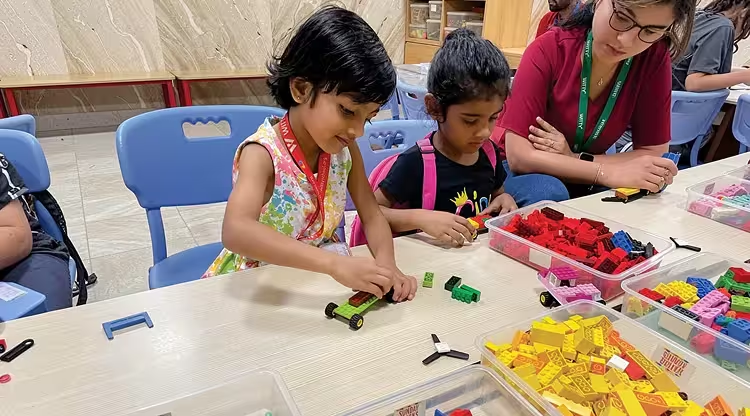
- Younger grades focus on exploration, motor skills, creativity, and group interaction.
- Middle school students are introduced to structured skill-building through clubs, competitions, and performances.
- Senior students receive leadership opportunities, inter-school exposure, and platforms to showcase talent.
This integration ensures that activities complement academics rather than compete with them. Parents are also kept informed through regular communication, showcases, and events, so involvement never feels disconnected.
Why does extracurricular exposure matter during school selection?
Parents researching school admissions in Mumbai increasingly ask about life beyond classrooms. They want assurance that their child will be seen, guided, and supported as an individual.
This is one reason Witty is recognised as one of the best international schools in Mumbai. The balance between academic rigour and holistic development is intentional, not accidental. Families looking for good schools in Borivali West often choose Witty for this very reason.


What should parents look for before enrolling their child?
Before selecting a school, ask these practical questions:
- Are activities age-appropriate and structured?
- Are trained educators involved, or are they add-ons?
- Does the school value participation, not only winning?
- Is there alignment between the curriculum and co-curricular exposure?
Clear answers to these questions indicate whether extracurricular learning is meaningful or superficial.
How do extracurricular activities prepare children for the future?
The advantages of extracurricular activities become evident long after the school years. Students develop confidence in unfamiliar situations. They communicate better. They collaborate naturally. They adapt faster.
These qualities shape strong university profiles and capable adults. More importantly, they shape grounded individuals who understand the value of effort, teamwork, and self-belief.
Conclusion
Extracurricular activities quietly influence how children grow, learn, and see themselves. They support academic focus, emotional strength, and real-life readiness when integrated thoughtfully. At Witty Schools, these programmes are built with intent, structure, and care, keeping Indian families and modern expectations in mind.
If you want an education that develops both capability and character, Witty offers an environment where your child can grow with confidence. Enquire today to explore admissions and experience our approach first-hand.