Skip to content


A child’s education does not just stop with school and teachers but also depends a lot on the support system they receive at home. While teachers help them academically and help them develop important skills, parents play an equally powerful role in shaping the child’s confidence and providing them a safer environment to thrive. When both sides work together, the outcome is faster and stronger.
This is why parent-teacher communication is one of the most important parts of modern education. When parents and schools maintain transparent communication, the child benefits from the constant guidance they receive at school and home.
The Evolving Role of Parent-School Communication
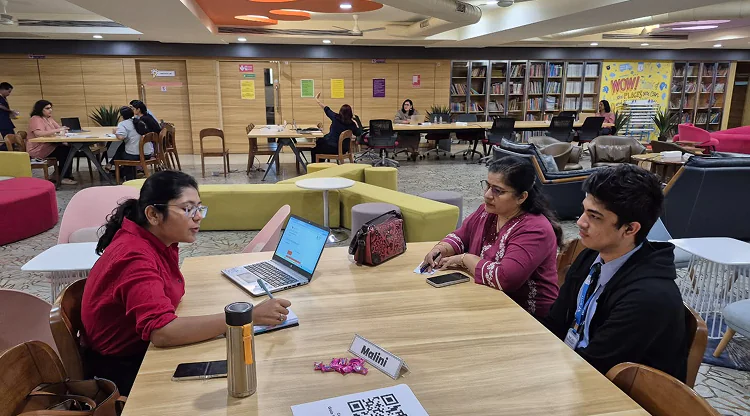
Earlier, parents and teachers would meet each other once or twice a year, usually during the result distribution day. However, things have come a long way since then. Today, schools stay in constant communication with the parents through apps, calls and emails, and the exchanges happen almost every week. This shows how communication between parents and teachers has outgrown the traditional practice of rare, formal meetings to an ongoing, everyday conversation.
Why Do Strong Parent-School Partnerships Matter?
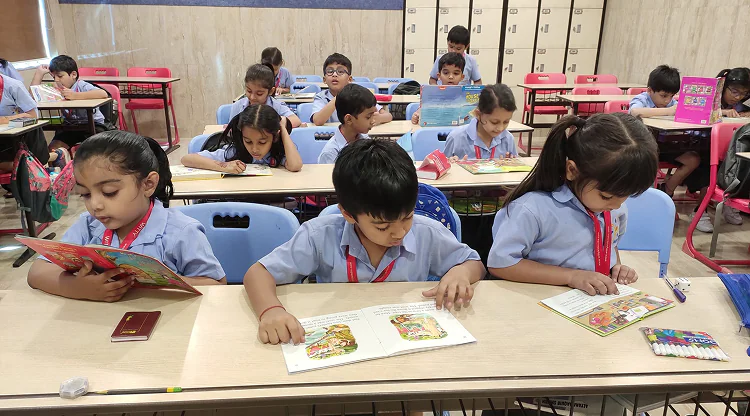
Students spend a significant amount of time at school, where they learn new things, make lasting connections and develop a passion for arts or sports. Similarly, they spend a lot of time at home, which is responsible for shaping their approach towards learning, provides them with challenges and encourages them to grow as self-dependent individuals.
When parents and teachers are in good communication, the parents learn about their child’s progress and the areas that require more careful attention. As for teachers, communication with parents helps them understand the child’s background, interests and their ways of learning. This helps them develop a more personalised or inclusive way of teaching to help them achieve their best goals.
Impact of Communication on Student Academic Success
It is very visibly evident that students tend to perform better academically when parents are actively involved in their education. However, involvement does not mean micromanaging all their moves but rather having open conversations with them and the school so that they can perform to the best of their capabilities.
When there is regular parent-teacher communication:
- They can better support their child’s learning and revision.
- Teachers understand how students are progressing at home.
- Any learning challenges are spotted early and resolved with timely support.
Supporting Social and Emotional Development
Communication is a passively learnt social skill. Students depend a lot on their immediate environment to learn how to communicate properly. This can be through communication between parents, teachers or friends. When there is good communication between parents and teachers, they are highly likely to absorb and learn from it. This helps them develop good communication skills that can help them in holding successful interactions with their peers, teachers and parents.
Building Trust Between Parents and Educators
Regular parents-teacher communication also develops trust and honesty. When teachers inform the parents about every small detail regarding their child’s progress, it creates transparency and faith among the parents, who feel respected and included in their child’s life.
Enhancing Student Motivation and Engagement
When a child sees parents and teachers having healthy communication regarding their progress, they feel more supported and determined to work harder. This comes from the transparency of knowing that they are surrounded by people who have their best interests in mind.
The Role of Technology in Parent-School Communication
Today, technology makes communication faster and easier. School apps, Google Classroom, WhatsApp updates and online portals allow teachers to share homework, attendance and events more effectively than ever before.
Effective Communication Channels Used by Schools
These are some of the most effective ways to communicate with parents as a teacher, since each channel serves a different purpose.
| Channel | Purpose |
| Parent-Teacher Meetings (PTMs) | Detailed discussion on progress |
| School Apps or Portals | Homework, attendance, and updates |
| Phone Calls | Urgent or personal matters |
| Newsletters or Circulars | General school announcements |
| Formal information sharing |
Encouraging Parent Involvement in Learning
Simple ways to communicate with parents as a teacher consist of sharing weekly updates, inviting parents to school events and providing students with reading materials and homework so they have better clarity regarding the topic being discussed in class.
Creating a Consistent Support System at Home and School
When home and school follow similar routines and values, children feel secure and comfortable. Consistency does not just mean maintaining good communication, but also what helps children thrive the best in both environments.
Conclusion
To sum up, a good communication bridge connects parents with teachers, which helps kids improve their learning process, feel supported, and gain confidence in school and in life.
This understanding of the importance of open communication is what Witty Schools practise at their various campuses. Whenever families look for a good school in Udaipur or a school in Bhilwara, they come up with questions like how to get reliable updates regarding different school issues. At Witty School, communication is kept through regular PTMs, phone calls, and parent portals located at all campuses. Families who are trying to gather information about Witty International School fees can easily get all campus-wise details from the admissions department, because the fee may differ depending on the campus, grade and curriculum. For those exploring the best international schools in Borivali, Witty Kids and Witty International School in Borivali West follow this same approach, keeping parents informed clearly at every step of their child’s journey, from admission day onwards.