Essential Elements to Consider When Choosing a Preschool for Your Child

Key Takeaways

  • A good preschool programme should provide supportive teachers who understand early childhood development and create a positive learning environment.
  • Parental involvement plays an important role in supporting a child’s social and academic development.
  • Individualised learning helps teachers adapt activities according to each child’s interests, abilities, and learning needs.
  • Play-based learning makes education engaging while helping children develop cognitive, physical, and social skills.
  • A quality preschool should balance play with age-appropriate academic engagement, safety, and emotional well-being.
  • A nurturing environment helps children feel valued, supported, and confident while developing important social and emotional skills.


What should parents look for in the best preschool programs? Choosing the right preschool is an important decision for any parent; it lays down their children’s educational and social foundation.

According to National Health Research, high-quality learning programs for preschoolers between ages three to five can improve cognitive abilities as well as language development while enhancing their social skills too.

Selecting a safe environment is not enough during the selection process but also ensuring that there is enough provision which will foster growth curiosity hence this are seven essential elements which make up such kind of schools. 

Keep reading to discover how these elements can significantly impact your child’s early learning experience.

1. Supportive Teachers

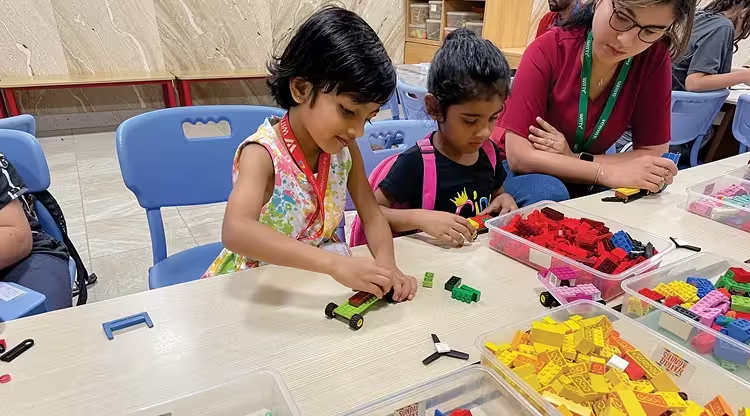
A preschool in Malad or any other location is only as good as its teachers. Supportive teachers act as backbones behind every successful preschool program because they not only possess early childhood qualifications but also love working with little ones.
In this case, such professionals are taught how to watch over kids, give them directions as well as create favorable conditions that would enable each child feel important and recognized in a classroom setting.

2. Parental Involvement

For the sake of early childhood development, involvement of parents is very important. Children tend to do better socially and academically when their parents take part actively in their education. Effective pre-schools always encourage regular communication between teachers and parents about what is happening at school or home.

3. Individualised Learning

Every child is unique especially in the context of learning programs for preschoolers. Individualized learning refers to adapting teaching strategies basing on specific needs or interests of an individual learner. Through this approach, teachers are able to identify areas where particular student may require extra support or challenge them accordingly.

4. Play-Based Learning

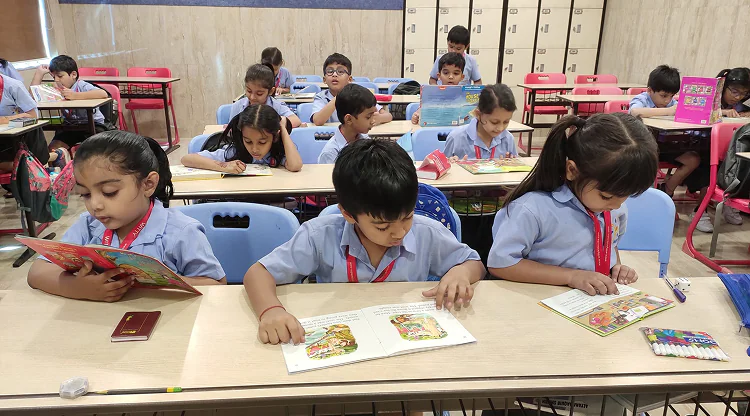
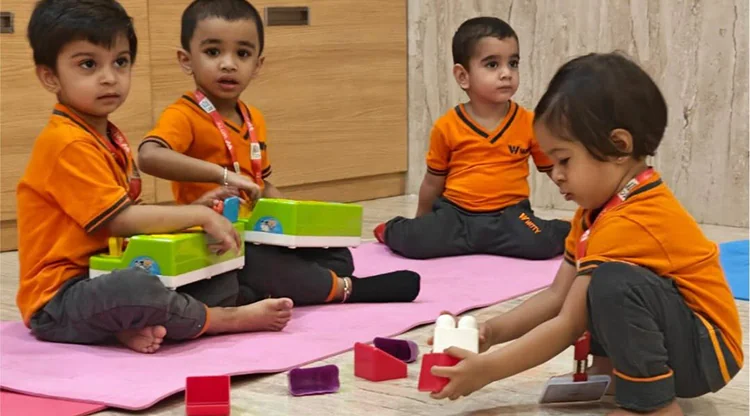
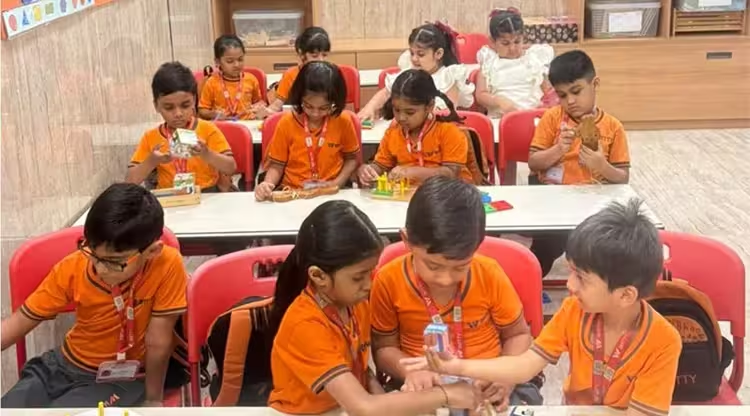
Play is not just fun but also an essential tool for gaining knowledge. Any good pre-school should have play-based learning incorporated into its curriculum since it helps children acquire cognitive skills like problem solving besides developing physical abilities such as coordination with others.

5. Academic Engagement

Although play forms a major part in preschool life still academic engagement cannot be ignored either if desired results were to be achieved within the shortest time possible. However, by saying academic we do not mean heavy workloads rather exciting age appropriate tasks which promote reading writing arithmetic thinking etc among learners from different levels.

6. Safety

If you want the best preschool programs, safety should be your top priority. Rather than just focusing on physical protection, a safe environment also comprises emotional and mental well-being. This means creating an area where children can feel safe and valued too.

7. Nurturing Environment

Children thrive in environments that are caring towards them. In order to achieve this it is necessary to have a warm, inviting atmosphere that includes all kids equally and allows them to learn at their own pace. A nurturing environment is characterized by positive relationships, where teachers are responsive to children’s needs and interests. Such environments significantly contribute to children’s social and emotional development, laying a strong foundation for their future.

Choosing the right preschool is a pivotal decision for any parent. By focusing on these seven essential elements, parents can find a program that not only meets their child’s needs but also exceeds their expectations. Remember, the goal is to provide a foundation that supports lifelong learning and development. Consider these elements as you explore pre preschool programs and preschool in Borivali or any other area.

For those looking for a preschool that embodies these qualities, Witty Kids is an excellent choice. We are committed to providing a nurturing, safe, and enriching environment for your little ones. Join us, and let’s give your child a great start in their educational journey!

FAQ’s

What are the key elements of a good preschool programme?

The key elements include supportive teachers, parental involvement, individualised learning, play-based learning, academic engagement, safety, and a nurturing environment.

Why are supportive teachers important in preschool?

Supportive teachers guide children, understand their individual needs, and create a positive classroom environment where children feel valued and encouraged to learn.

How does parental involvement benefit preschool children?

Regular communication and involvement from parents can support children’s social and academic development while creating consistency between home and school.

What is individualised learning in preschool?

Individualised learning means adapting teaching strategies and activities according to a child’s specific interests, abilities, and learning needs.

Why is play-based learning important for preschoolers?

Play-based learning makes education engaging while helping children develop problem-solving, cognitive, physical, communication, and social skills.

What should parents look for in a preschool environment?

Parents should look for a safe, nurturing, inclusive, and engaging environment with qualified teachers, age-appropriate learning activities, and opportunities for social and emotional development.

How does a preschool support a child’s overall development?

A quality preschool combines academic engagement, play, individualised learning, social interaction, safety, and emotional support to build a strong foundation for future learning.